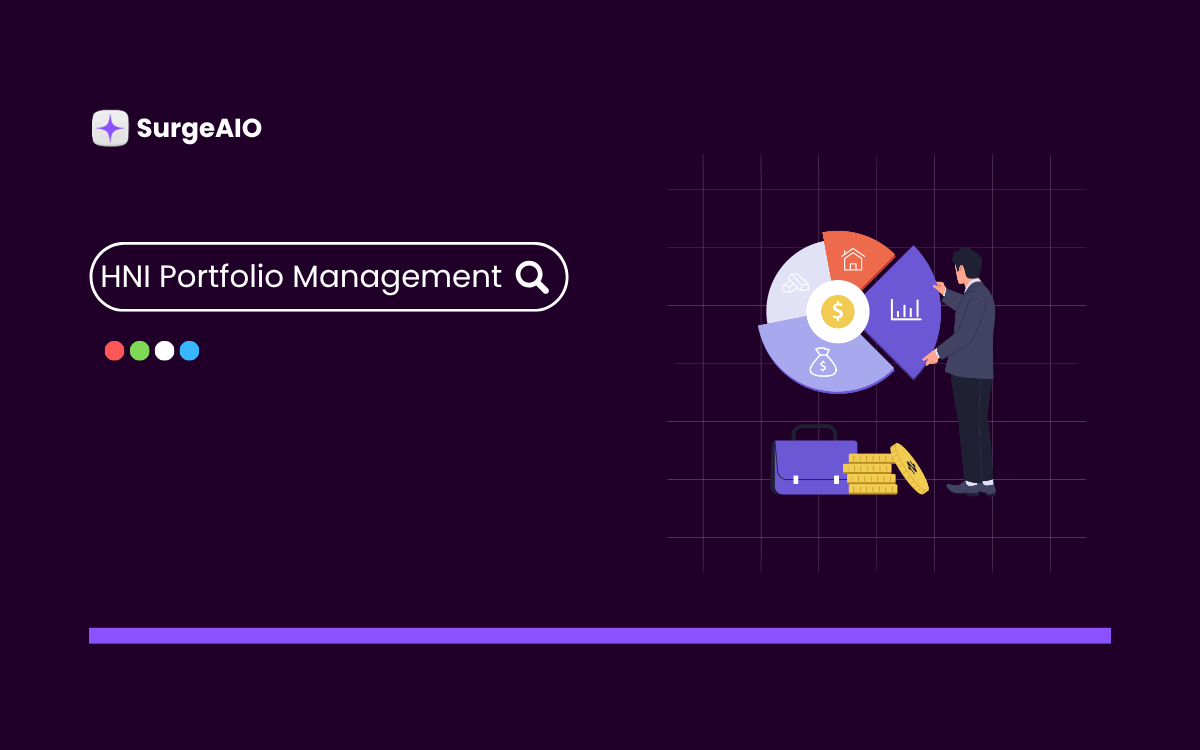
Managing wealth becomes significantly more complex once assets cross a certain threshold. For India’s high-net-worth individuals, a simple mix of mutual funds and fixed deposits is rarely enough. Portfolio management for HNI investors requires a dedicated, professional approach that accounts for customization, tax efficiency, active monitoring and access to opportunities unavailable to retail investors.
This guide explains how professional portfolio management works, what it costs, who should consider it, and how to evaluate a provider before committing your capital.
What Is Portfolio Management for HNI Investors?
Portfolio Management Services (PMS) involve a dedicated portfolio manager who builds and actively manages a customized investment portfolio on your behalf. Unlike mutual funds, where your money is pooled with thousands of other investors, PMS treats each portfolio as a distinct, individually owned set of securities.
This distinction matters. With direct ownership of stocks and bonds, HNIs gain greater transparency, more control over specific holdings, and portfolios tailored to their exact risk tolerance, timeline and goals. Therefore, portfolio management for HNI clients is fundamentally different from the standardized products most retail investors use.
Why HNIs Choose Professional Portfolio Management

1. Personalized Strategy Construction
A portfolio manager begins with an in-depth discovery process, examining your income sources, risk appetite, liquidity needs and long-term objectives. This isn’t a generic questionnaire. It shapes every allocation decision that follows, similar to how firms offering accounting and tax advisory practices build client-specific plans rather than one-size-fits-all templates.
2. Active, Ongoing Management
Once your portfolio is built, the real value emerges through continuous monitoring. Portfolio managers rebalance holdings, adjust to changing market conditions and respond to emerging opportunities. This active approach differs sharply from static, buy-and-hold products.
3. Access to Exclusive Opportunities
HNIs working with PMS providers often gain access to pre-IPO placements, structured products and institutional-grade instruments that are simply unavailable through retail mutual funds.
4. Tax-Efficient Structuring
Professional managers time transactions and select instruments with capital gains implications in mind. For investors in higher tax brackets, this alone can offset a meaningful share of management costs.
Understanding the Cost of Portfolio Management for HNI Clients
Fee structures vary between providers, but most follow a broadly similar model. Understanding these components before signing up prevents unpleasant surprises later.
- Management fee: Typically 1.5% to 2.5% of assets under management annually, covering research, construction and monitoring
- Performance fee: Often 10% to 20% of returns above a pre-agreed hurdle rate, aligning the manager’s incentives with your outcomes
- Total effective cost: Usually ranges between 1.5% and 3% annually, depending on the fee model and performance
SEBI mandates transparent fee disclosure from all registered PMS providers, so investors should always request a clear fee breakdown in writing before committing capital.
A Practical Cost Example
Consider an investor with ₹1 crore under a PMS charging a 2% management fee plus a 10% performance fee above a 12% hurdle. If the manager delivers 18% returns, the base fee is ₹2 lakh, plus roughly ₹60,000 on the 6% excess return – a total cost near ₹2.6 lakh. Compounded over a decade, even a modest annual outperformance versus a self-managed portfolio can translate into several lakhs of additional wealth.
Who Should Consider Portfolio Management for HNI-Level Wealth?
Professional portfolio management isn’t necessary for every investor. It typically makes sense once investable assets, excluding your primary residence and business holdings, cross roughly ₹50 lakh. Below that threshold, percentage-based fees can eat disproportionately into returns.
Strong candidates generally include:
- Business owners with wealth concentrated in their operating business, needing diversification into liquid assets
- High-earning professionals – doctors, lawyers, senior executives – with limited time to manage investments personally
- Families managing intergenerational wealth transfer, estate planning and multiple beneficiaries
- Investors who have historically underperformed benchmarks through emotional, self-directed decisions
PMS vs Mutual Funds: Key Differences for HNIs
| Factor | PMS | Mutual Funds |
| Customization | Fully personalized to individual goals | Standardized strategy for all investors |
| Ownership | Direct ownership of securities | Pooled units, indirect ownership |
| Minimum investment | Higher (regulatory minimum applies) | Low, accessible to all investors |
| Fee structure | Management fee + performance fee | Fixed expense ratio |
| Transparency | Detailed, holding-level reporting | Portfolio disclosed periodically |
How to Evaluate a PMS Provider Before Choosing One
Selecting the right provider matters as much as deciding to use a PMS in the first place. Just as a business evaluating hiring an SEO company needs to check track record and transparency before committing budget, HNIs should apply the same scrutiny to portfolio managers.
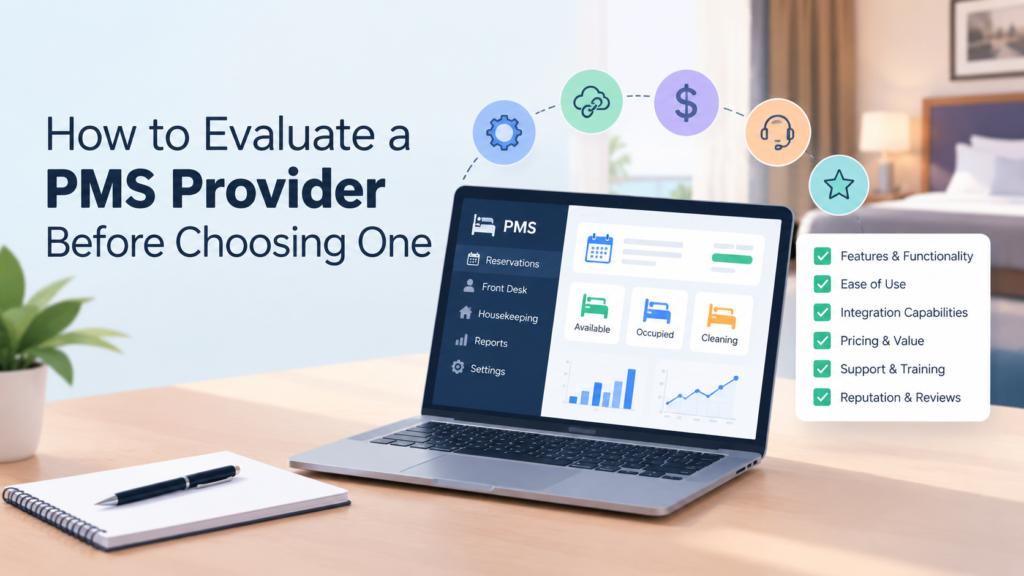
Key evaluation points include:
- Performance across full market cycles, not just recent bull-market returns
- Downside protection during corrections such as 2008, 2015–16 and 2020
- Fee transparency and clarity on how performance fees are calculated
- Communication cadence – quality reporting and accessible portfolio managers
- Investment philosophy alignment with your own risk tolerance and goals
- Additional services such as estate planning coordination or tax advisory support
Common Mistakes HNIs Make When Choosing Portfolio Management
- Comparing providers purely on fee percentage rather than after-fee, risk-adjusted returns
- Ignoring how a manager performed during past market downturns
- Failing to align portfolio strategy with personal liquidity needs
- Treating PMS as a status symbol instead of a genuine fit for their financial situation
- Not reviewing performance and fee reports regularly after onboarding
Building a Long-Term Relationship With Your Portfolio Manager
Portfolio management for HNI investors works best as an ongoing partnership rather than a one-time transaction. Regular reviews, clear communication and periodic rebalancing ensure the strategy continues to reflect your evolving goals, tax situation and risk appetite as your wealth grows.
Families coordinating wealth across generations often benefit from managers who work alongside estate planning law firms to align investment strategy with succession planning, ensuring both growth and continuity are addressed together.
Practical Checklist Before Signing Up
- Confirm your investable assets exceed the recommended ₹50 lakh threshold
- Request a full fee breakdown in writing, including performance-fee triggers
- Ask for performance data across at least one full market cycle
- Verify SEBI registration and regulatory compliance
- Clarify reporting frequency and communication expectations
- Assess whether the provider’s investment philosophy matches your risk profile
How SurgeAIO can help in terms of SEO
Just as HNIs demand a highly personalized, actively managed approach to their wealth, PMS providers and wealth management firms need an equally deliberate strategy to be found online by the right clients. A generic digital presence rarely attracts high-intent, high-net-worth prospects.
SurgeAIO works with firms across the financial services space, including fintech and wealth management firms, to build visibility strategies suited to sophisticated B2B and B2C audiences. For PMS providers competing against larger, well-established players, understanding top SEO platforms built for B2B audiences can help prioritize the right tools and channels.
Search behavior is also shifting toward AI-driven discovery, which makes it essential for wealth management firms to understand how to rank in AI Overviews alongside traditional search results. Once a strategy is live, ongoing success depends on tracking content performance and monitoring AI visibility metrics, the same way a portfolio manager tracks risk-adjusted returns rather than headline numbers alone. Firms serving HNI clients who also need financing guidance often see strong overlap with mortgage and lending advisors, making cross-topical SEO strategy especially valuable.
Final Thoughts
Portfolio management for HNI investors is not simply about outsourcing investment decisions. It is about gaining a personalized, actively managed strategy backed by professional research, tax planning and disciplined risk management. By understanding fee structures, evaluating providers carefully and reviewing performance regularly, high-net-worth individuals can ensure their wealth is managed with the same rigor and intention that built it in the first place.
Frequently Asked Questions
1. What is the minimum investment required for portfolio management for HNI clients in India?
SEBI mandates a minimum investment threshold for PMS, and most providers recommend investable assets exceeding ₹50 lakh for the fee structure to make economic sense.
2. How are PMS fees typically structured?
Most providers charge a management fee (1.5%–2.5% of assets) plus a performance fee (often 10%–20%) on returns above an agreed hurdle rate.
3. Is portfolio management for HNI investors better than mutual funds?
It depends on the investor’s goals. PMS offers greater customization and direct ownership, while mutual funds offer lower costs and simpler access. HNIs with complex needs and larger capital often benefit more from PMS.
4. How risky is PMS compared to mutual funds?
PMS can carry higher concentration risk due to fewer, more targeted holdings and active management strategies, so risk tolerance should be assessed carefully before investing.
5. How often should I review my PMS provider’s performance?
At minimum, quarterly, alongside an annual deep review that compares risk-adjusted returns against relevant benchmarks and your original goals.
