
Local customers search for businesses every single day. They type phrases like “plumber near me” or “best dentist in Austin.” They expect fast, relevant, and trustworthy results.
If your business doesn’t show up for those searches, a competitor will. That’s exactly why learning how to create content for local landing pages for SEO has become one of the highest-leverage skills in modern digital marketing.
However, most businesses take shortcuts. They build one generic service page and add a city name at the top. Search engines see through this immediately.
In this guide, you’ll learn a step-by-step process to build local landing pages that actually rank -and actually convert. We’ll cover everything from keyword research to FAQs, trust signals, and avoiding the most common mistakes.
What Is a Local Landing Page?
A local landing page is a dedicated webpage built around a specific geographic area. It targets users who are actively searching for your services in a particular city, neighbourhood, or region.
For example, a roofing company might build separate pages for “roof repair in Nashville” and “roof repair in Memphis.” Each page serves a distinct audience with a distinct local context.
These pages are the backbone of any local SEO strategy. Without them, your website competes at a generic level when local, high-intent traffic is right there for the taking.
It’s also important to distinguish between the two types of pages:
- Location pages -tied to a specific physical address, like a retail store or office
- Service area pages -cover a broader region for businesses that travel to clients, like plumbers or landscapers
Both require unique, localised content to perform well in search results.
Why Local Landing Pages Matter for SEO
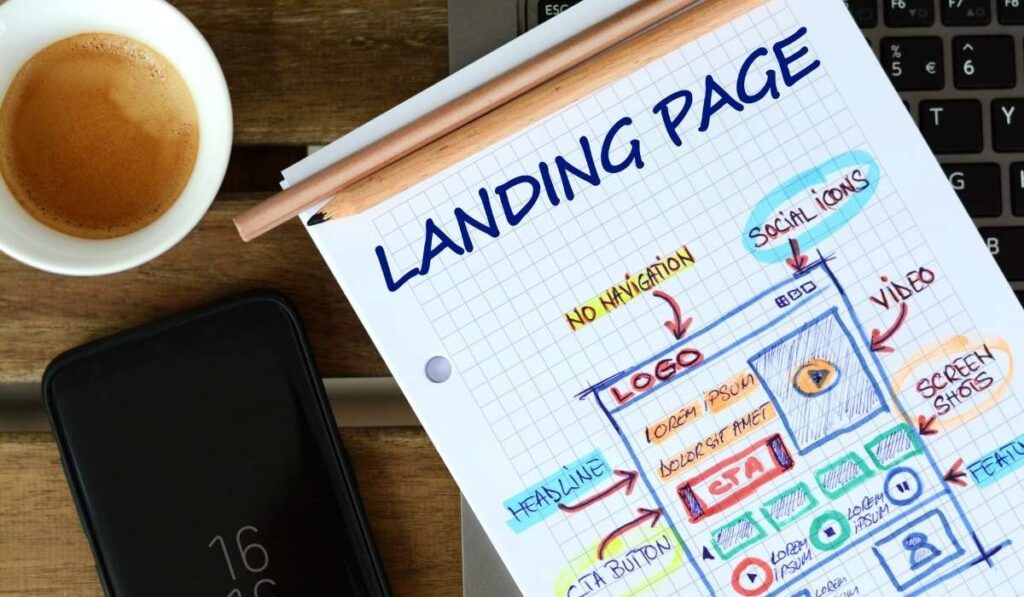
Before diving into execution, it’s worth understanding why this investment pays off.
They Match Exactly What Searchers Want
Search engines reward relevance. When someone types “HVAC repair in Denver,” Google wants to surface a page built specifically for that query -not a generic homepage.
Therefore, dedicated local pages directly improve your chances of appearing in local packs, map results, and organic rankings.
They Drive Higher-Quality Conversions
Local pages speak to people in their own context. They mention familiar areas, address region-specific concerns, and feel authentic to the reader.
That authenticity builds trust. And trust converts visitors into customers faster than any generic service page ever could.
They Build Domain Authority Over Time
Every local page you publish adds a new indexed URL. More indexed pages targeting more locations means more ranking opportunities.
Moreover, a well-linked network of local pages signals topical depth and authority to search engines -lifting your entire site’s SEO performance over time.
They Give You a Competitive Edge
Many businesses, especially those operating across multiple cities, still neglect local SEO. While local pages may attract lower traffic volumes, they consistently outperform general pages in conversion rate.
Getting ahead now means owning local rankings before your competitors even start.
Step 1: Start with Local Keyword Research
Every strong local landing page begins with the right keyword. This is the foundation of knowing how to create content for local landing pages for SEO.
How to Find the Right Local Keywords
Start with your core service, then layer on geographic modifiers -city names, neighbourhoods, zip codes, or regional terms.
Practical examples:
- “emergency plumber in South Austin”
- “wedding photographer Chicago North Shore”
- “dog trainer near Brooklyn Heights”
- “personal injury lawyer downtown Atlanta”
Use tools like Ahrefs, SEMrush, or Google Keyword Planner to validate search volume and competition. Target keywords with moderate volume and low-to-medium difficulty for the fastest wins.
Understanding which keywords for SEO helps you prioritise pages that will deliver real business results first.
Tips for Smarter Local Keyword Research
- Test location name variations -“Vegas” vs. “Las Vegas” can show very different search volumes
- Check competitor pages -analyse what local keywords competitors rank for using Ahrefs’ site explorer
- Use “questions” and “related terms” filters -uncover long-tail phrases people are actively asking about
- Look at Google’s “People also ask” -these questions often reveal FAQ opportunities for your page
One primary keyword per page is the rule. Trying to rank for five cities on one page dilutes everything.
Step 2: Build a Clear, Logical Page Structure
Structure determines how quickly users and search engines understand your page. A poor structure means high bounce rates and lost rankings.
Essential Sections of a Local Landing Page
Every high-performing local landing page should include:
- H1 with primary keyword and location -e.g., “Professional Roof Repair in Memphis, TN”
- Intro paragraph -establish relevance and build immediate trust
- Service details section -explain what you offer in that specific location
- Why choose us section -highlight your local expertise and differentiators
- Social proof section -reviews, testimonials, case studies from local customers
- NAP details -Name, Address, Phone Number, prominently displayed
- Call-to-action (CTA) -specific, location-branded, and placed multiple times
- FAQ section -address common questions local searchers have
Keep paragraphs to 2-4 lines. Use short sentences under 25 words. Scannable content reduces bounce rate and keeps readers engaged longer.
Step 3: Write Genuinely Unique, Localised Content
This is where most businesses fail. They copy the same body text across every location page and simply swap the city name. Google recognises this as thin content. It won’t rank.
What “Genuinely Local” Means in Practice
Localised content goes beyond inserting a city name. It means:
- Mentioning familiar local landmarks, neighbourhoods, or districts
- Addressing region-specific pain points or seasonal concerns
- Referencing local regulations, climate, or industry conditions
- Using language and tone that resonates with that community
For example, a roofing company in Denver should mention the hail season. One in Miami should discuss hurricane-resistant materials. A pest control business in Houston should reference the humidity-driven termite season.
This specificity signals to both readers and search engines that your page genuinely serves that location.
Include Local Data and Context
Adding location-specific facts strengthens authority and uniqueness. For example:
“Over 40% of homes in [City] were built before 1975, making outdated electrical systems one of the top safety concerns for local homeowners.”
This type of detail separates your page from every template-driven competitor in your market.
Use Authentic Visuals
Real photos of your local team, office, or completed projects build instant credibility. Stock photos undermine trust. Authentic imagery signals genuine local presence to both users and search engines.
Step 4: Optimize All On-Page SEO Elements
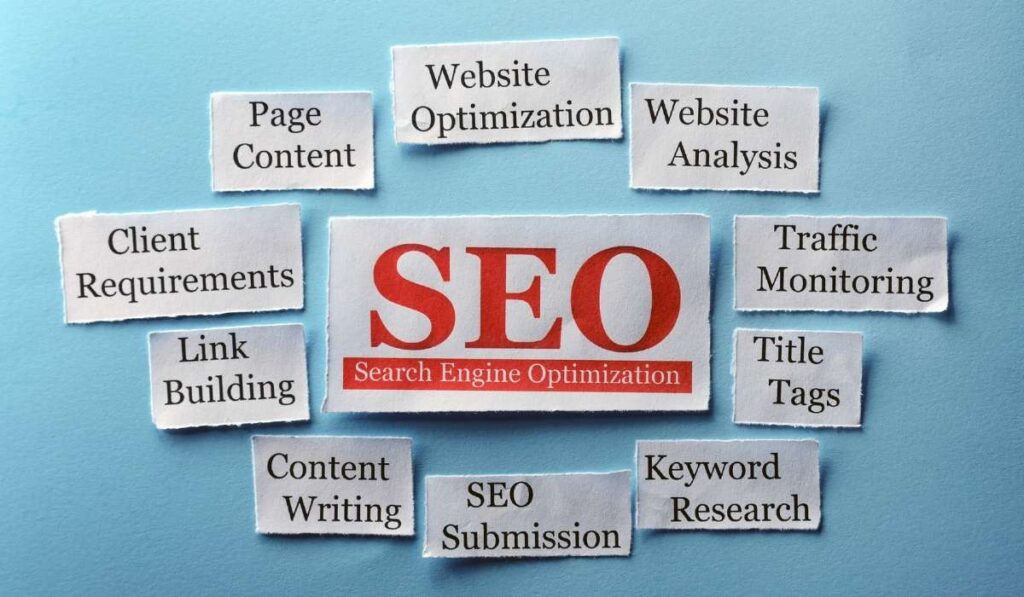
Great content alone isn’t enough. You also need to optimize the technical elements that help search engines properly index and rank your page.
Title Tag and Meta Description
- Title tag: Include primary keyword + location, keep it under 60 characters
- Example: “Electrician in Austin, TX | Same-Day Service Available”
- Meta description: Include a clear benefit and CTA, keep it under 160 characters
Headers (H1, H2, H3)
Use only one H1 per page. Incorporate your primary keyword naturally. Use H2S for major sections and H3S for supporting details.
NAP Consistency
Your Name, Address, and Phone Number must match exactly across:
- Every local landing page on your site
- Google Business Profile
- Local directories and citation sources
Inconsistent NAP data confuses search engines and suppresses local rankings.
Schema Markup
Implementing a local business schema tells search engines the who, what, where, and when of your business. It can generate rich snippets -star ratings, addresses, hours -directly in the search results.
As AI Overviews become a more prominent part of local search, structured data also increases your chances of appearing in AI-generated answers. Schema is no longer optional -it’s a competitive advantage.
Mobile Optimisation and Page Speed
Over 60% of local searches happen on mobile devices. Your page must:
- Load in under 3 seconds
- Display correctly on all screen sizes
- Feature tap-friendly phone numbers and CTAs
Slow pages lose visitors before they even read your headline.
Step 5: Add Trust Signals That Convert
Rankings get you clicks. Trust signals turn those clicks into customers.
Local Customer Reviews and Testimonials
Feature reviews specifically from customers in that location. A testimonial from “James in Nashville” lands harder for a Nashville searcher than a nameless quote.
Pull from Google, Yelp, or your own CRM. Update them regularly to show recency.
Local Credentials and Awards
- Chamber of Commerce memberships
- Industry certifications relevant to your city or state
- Local business awards or recognitions
These elements signal community investment and professional credibility.
Real Team Photos and Office Images
Show your actual people and physical space. This is especially important for service businesses where trust is the primary conversion factor.
Step 6: Craft Strong, Location-Specific CTAs
Every local page needs a clear next step. Don’t make visitors guess what to do.
Best Practices for Local CTAs
- Make it location-specific: “Call Our Austin Team Today” instead of just “Contact Us”
- Offer real value: free consultation, same-day quote, or a local discount
- Place CTAs above the fold, in the middle of the page, and again at the end
- Use contrasting colours and action-driven language
Multiple CTAs allow every visitor to convert -whether they’re at the top, middle, or bottom of the page.
Step 7: Build Strategic Internal Links
Internal links connect your local pages to the broader authority of your website. They distribute ranking power and help search engines understand your content hierarchy.
Link from blog posts to relevant local pages. Link from local pages to related service content. Always use descriptive, keyword-relevant anchor text.
For instance, if you’re building local pages for a plumbing business, you might link to a guide on AI SEO strategies to show how modern search visibility combines both local and AI-driven approaches.
Understanding what elements are foundational for SEO with AI is increasingly important as AI search engines influence which local businesses get recommended to users.
It’s also worth staying informed about the future of SEO local pages that are built well today will be even more valuable as search continues to evolve.
Common Mistakes to Avoid
Even experienced SEOs make these errors when building local pages.
Duplicating content across locations – Swapping only the city name is thin content. Each page must offer genuine, unique value to that location’s audience.
Targeting multiple locations on one page – One page, one primary keyword, one location. Multi-location pages split focus and rank for nothing.
Ignoring page speed – A 5-second load time can cost you 40% of visitors before they see a word of your content.
Forgetting to update pages – Outdated hours, old phone numbers, or stale testimonials erode trust and hurt rankings. Review all local pages quarterly.
No internal linking – Local pages without internal links exist in isolation. Connect them to your content ecosystem for maximum SEO impact.
Scaling Local Pages Without Losing Quality
If you operate in dozens of locations, building unique pages for each one feels daunting. However, cutting corners here always backfires.
The solution is a scalable content template – a consistent structure with location-specific slots you fill with genuine data, quotes, images, and local context.
Your scalable local page template should include:
- A headline formula: “[Service] in [City, State]”
- A local intro paragraph referencing the area specifically
- A service section customised to regional needs or conditions
- Location-specific testimonials or case studies
- Consistent NAP, schema, and CTA structure
AI tools can help speed up first drafts. However, every page needs a human review to verify accuracy, local authenticity, and tone before publishing.
Quality at scale beats speed at the expense of relevance – every time.
How SurgeAIO Can Help in Terms of SEO
Building and scaling local landing pages across multiple cities is one of the most time-intensive SEO programmes a business can undertake. SurgeAIO is built to make that process faster, smarter, and more effective – whether you’re building your first five local pages or scaling to fifty.
Local Keyword Research at Scale
SurgeAIO identifies the exact service-plus-location keyword combinations your target customers are searching for across every city and suburb you serve. Each keyword is mapped to search intent and competition level – so you know which markets to prioritise first and which pages will deliver the fastest ranking gains. This removes the guesswork from Step 1 and gives you a prioritised local keyword roadmap from day one.
Content Gap Analysis Across All Locations
SurgeAIO compares your existing local pages against the top-ranking competitors in each market and surfaces every content gap – the local data points, semantic terms, FAQ topics, and long-tail keywords your pages are missing. For businesses scaling across multiple locations, this makes it practical to identify exactly what each page needs without manually auditing every competitor one by one.
Topic Cluster & Local Page Architecture Planning
SurgeAIO maps out the full architecture of your local SEO programme – showing which pillar pages, service area pages, and supporting blog content to build in order to maximise topical authority across all your target markets. This directly supports the internal linking strategy in Step 7 and ensures every local page is connected to a content ecosystem that amplifies its ranking power, rather than existing in isolation.
On-Page Optimisation Recommendations for Every Page
For every local landing page you want to rank, SurgeAIO delivers specific, prioritised recommendations – title tags, heading structure, keyword placement, NAP consistency checks, schema markup opportunities, and internal linking suggestions. This is the kind of page-level guidance that makes it practical to maintain on-page quality at scale, without needing a separate audit for every location page you publish.
Technical SEO Auditing
SurgeAIO runs a full technical audit of your website – identifying page speed issues, mobile responsiveness problems, crawl errors, and missing structured data that are suppressing your local rankings. Since page speed and technical health are confirmed Google ranking factors, fixing these issues often produces the fastest initial ranking improvements for local pages. Use our AI SEO analyser to get an immediate picture of your site’s technical baseline before building out your local page programme.
AI Search & GEO Visibility for Local Businesses
As AI Overviews and tools like Perplexity increasingly surface local business recommendations, SurgeAIO monitors whether your local pages and brand are being cited in AI-generated answers for your target locations. This connects directly to AI local SEO best practices – ensuring your local visibility strategy covers not just the traditional Map Pack and organic rankings, but the AI-driven discovery layer that is becoming the first thing local searchers see. Understanding what is LLM in SEO and how AI platforms select local sources helps you build pages that qualify for both traditional and AI-generated visibility simultaneously.
Performance Tracking Across All Markets
SurgeAIO consolidates your keyword rankings, organic traffic trends, and AI citation data for every local page into one clear dashboard – giving you a complete picture of which markets are performing, which pages need updating, and where the next ranking opportunities lie. This replaces the fragmented reporting you get from juggling Google Search Console and Analytics separately for every location.
Whether you’re a single-location business building your first local page or a multi-location company scaling across dozens of markets, SurgeAIO gives you the tools and intelligence to build a local SEO programme that compounds over time and consistently outperforms competitors still relying on generic, template-driven pages.
Conclusion
Knowing how to create content for local landing pages for SEO is one of the most valuable skills for any business that serves a specific geographic market.
The process is clear: research local keywords, build logical page structures, write genuinely unique content, optimise every technical element, add trust signals, link strategically, and scale without sacrificing quality.
Most importantly, treat every location as a real audience – not just a variable in a template.
Start with your top two or three most important markets. Build those pages properly. Measure the impact. Then scale what works.
Local SEO rewards specificity, authenticity, and consistency. Build pages your local customers actually need -and the rankings will follow.
Frequently Asked Questions (FAQs)
How many local landing pages should I build?
Build one page per location you actively serve. If you have five physical locations or serve five distinct cities, you need five pages -each with unique content.
Can I use the same content on multiple local pages?
No. Duplicate content across local pages is one of the most common local SEO mistakes. Google treats it as thin content and either ignores those pages or ranks them poorly. Each page must offer original, localized value.
What’s the minimum word count for a local landing page?
There’s no universal rule, but most high-ranking local pages contain between 600 and 1,500 words. The content should be as long as it needs to be to fully address the local audience’s needs -no longer, no shorter.
Do I need a Google Business Profile for each location?
Yes. A verified Google Business Profile for each location strengthens your local pack rankings and NAP consistency. It’s one of the strongest local SEO signals available.
How often should I update local landing pages?
Review local pages at least quarterly. Update testimonials, service details, hours, and any local references to keep content fresh and accurate.
How does schema markup help local landing pages?
Schema markup gives search engines structured information about your business – address, hours, reviews, and more. This can trigger rich results in search and increase your visibility in both traditional and AI-driven search results.
Does page speed affect local SEO rankings?
Yes. Page speed is a confirmed Google ranking factor. Slow pages frustrate users and signal poor quality to search engines. Aim for a load time under 3 seconds on mobile.
