surgeaio.com

SurgeAIO — Navbar Mobile CTA

AI SEO Analyzer​: The New Era of Digital Visibility

Picture this: You wake up, grab your coffee, and ask your AI assistant about the best marketing tools for small businesses. Within seconds, your brand appears at the top of the response—not just from Google, but across ChatGPT, Perplexity, Claude, and every other AI platform your customers use throughout their day.

This isn’t a fantasy. It’s the new reality of search, where AI assistants have become the primary gateway between your audience and your content. But here’s the catch: traditional SEO strategies are falling short in this AI-first world.

Meet the AI SEO Analyzer: Beyond Traditional SEO

Enter SurgeAI’s AI SEO Analyzer—a revolutionary tool that doesn’t just check your website’s SEO health. It audits how visible you are within the complex ecosystems of AI-powered search engines and answer generators.

While traditional SEO tools focus on keywords, backlinks, and technical fixes, the AI SEO Analyzer monitors something far more valuable: your performance across platforms like ChatGPT, Claude, Bing AI, Google’s AI Overview, and dozens of other generative engines that are reshaping how people find information.

“The future of SEO isn’t about ranking #1 on Google—it’s about being the source that AI trusts enough to cite.” – Digital Marketing Expert

Why AI SEO Analyzer Isn’t Just Another SEO Tool

Traditional SEO tools are built for yesterday’s internet. They help you optimize robots.txt files, craft meta descriptions, and build backlink profiles. But they miss the critical question: How do AI engines actually choose which sources to reference?

The AI SEO Analyzer models the unseen logic of generative engines. It’s not just A/B testing for Google’s traditional search results—it’s preparing your content to be referenced, quoted, and trusted by AI-generated answers that millions of users receive daily.

Key Differentiators

Traditional SEO ToolsAI SEO Analyzer
Focus on keyword rankingsTracks AI citation frequency
Optimize for search crawlersOptimize for AI understanding
Monitor Google primarilyCross-platform AI monitoring
Technical SEO emphasisContent structure for AI
Historical data analysisReal-time AI performance

Inside the AI SEO Analyzer: What You Actually Get

The AI SEO Analyzer provides real-time insights into how your brand performs across AI platforms. But what does that actually look like in practice?

Smart Diagnostics Dashboard: Are you being surfaced in AI overviews? The tool tracks when your pages are directly quoted in AI-generated summaries, showing you exactly which content resonates with different AI models.

Cross-Platform Monitoring: Unlike traditional tools that focus solely on Google, the AI SEO Analyzer monitors your visibility across:

  • ChatGPT responses
  • Google AI Overview
  • Bing AI Chat
  • Claude conversations
  • Perplexity citations
  • Voice assistant responses

Content Structure Analysis: The tool analyzes how well your content is formatted for AI consumption, identifying gaps in schema markup, FAQ structure, and conversational content that AI engines prefer.

Want to try it in action?

Download your free Brand AI Overview Report

How AI SEO Has Evolved—and Why It Matters

SEO started simple: stuff keywords into your content and hope Google notices. Then came the sophistication of backlinks, technical optimization, and user experience signals.

Now, AI answer engines have fundamentally hijacked search intent. When someone asks a question, they increasingly expect an immediate, conversational answer—not a list of blue links to click through.

This shift has birthed two new optimization disciplines:

  • Answer Engine Optimization (AEO): Structuring content specifically for direct answers
  • Generative Engine Optimization (GEO): Optimizing for AI-generated content that incorporates your information

The AI SEO Analyzer bridges these worlds, melding traditional SEO principles with AEO and GEO strategies that actually work in today’s AI-dominated landscape.

The Evolution Timeline

2000s: Keyword Stuffing Era
2010s: Content Quality & Backlinks
2020s: User Experience & Core Web Vitals  
2024+: AI Citation & Answer Engine Optimization

The Rise of Café Magnolia: A Success Story

Let me tell you about Sarah, who owns Café Magnolia—a small bakery in downtown Portland. Despite having amazing pastries and loyal local customers, she was invisible online. Her website got maybe 50 visitors a month, mostly from people who already knew about her café.

Sarah decided to try the AI SEO Analyzer, skeptical but desperate for more visibility. The tool immediately identified several issues: her FAQ section was buried on a separate page, her menu lacked structured data, and her “About Us” content read like a corporate press release rather than conversational content that AI engines prefer.

Following the analyzer’s recommendations, Sarah restructured her website:

Before AI Optimization:

  • Generic “Frequently Asked Questions” page
  • Menu as a PDF download
  • Business hours buried in footer text

After AI Optimization:

  • Conversational FAQ format: “What makes your sourdough special?”
  • Structured menu data with ingredients and allergen information
  • Clear, scannable business information

The results were remarkable. Within six weeks, voice assistants began citing Café Magnolia’s menu directly. When people asked Siri or Google Assistant about “best gluten-free bakeries near me,” Sarah’s bakery appeared in the spoken results.

More importantly, foot traffic increased by 40%. Customers started coming in saying they heard about the café from their AI assistant.

“The AI SEO Analyzer didn’t just improve my website—it made my business discoverable in conversations I didn’t even know were happening.” – Sarah, Café Magnolia Owner

Smart, Narrative Tips to Maximize the AI SEO Analyzer

Getting the most from the AI SEO Analyzer requires understanding how AI engines actually process and reference content. Here are proven strategies that work:

1. Format FAQs Like Conversations

Instead of formal question headers, write FAQs the way people actually speak:

Poor Format: “What are the operational hours of your establishment?”

AI-Friendly Format: “What time do you open?” or “Are you open on Sundays?”

2. Use Schema Markup Strategically

The AI SEO Analyzer identifies opportunities for structured data that AI engines can easily parse:

  • Business information schema
  • FAQ schema
  • Product/service schema
  • Review schema

3. Create Quotable Content Blocks

AI engines love to quote specific, authoritative statements. Structure key information in quotable blocks:

"Our organic sourdough takes 48 hours to ferment, using only three ingredients: flour, water, and wild yeast starter that's been alive for over 10 years."

4. Monitor Cross-Platform Performance

Don’t just track Google. Use the AI SEO Analyzer to see how you’re performing across different AI platforms:

PlatformCitation RateTrending Topics
ChatGPT15% increaseLocal business queries
Google AI8% increaseProduct information
Bing AI22% increaseService descriptions
Voice Assistants31% increaseLocation-based searches

5. Optimize for Voice Search Patterns

AI assistants often provide information through voice, so optimize for natural speech patterns:

  • Use complete sentences
  • Include location-specific information
  • Answer the “who, what, where, when, why” questions directly

Frequently Asked Questions

Q: How is the AI SEO Analyzer different from Google Search Console?

A: Google Search Console shows how you perform in traditional search results. The AI SEO Analyzer shows how AI engines reference your content across multiple platforms, including conversational AI and voice assistants.

Q: How long does it take to see results?

A: Most users see initial improvements in AI citations within 2-4 weeks. However, significant traffic increases typically occur within 6-8 weeks of consistent optimization.

Q: Do I need technical knowledge to use the tool?

A: No. The AI SEO Analyzer provides clear, actionable recommendations in plain English. You don’t need to understand code or complex SEO concepts.

Q: Can this tool help with local businesses?

A: Absolutely. Local businesses often see the most dramatic results because AI assistants frequently provide location-based recommendations and information.

Q: How often should I check my AI SEO performance?

A: We recommend weekly monitoring during initial optimization, then monthly check-ins once your performance stabilizes.

Q: What types of content work best for AI citations?

A: Conversational, authoritative content performs best. Think FAQ-style answers, step-by-step guides, and clear factual statements that AI can confidently reference.

Want to try it in action?

Download your free Brand AI Overview Report

Advanced Optimization Strategies

Content Layering for AI Understanding

The AI SEO Analyzer helps identify opportunities for content layering—presenting information in multiple formats that different AI engines prefer:

Layer 1: Direct Answers Short, immediate responses to common questions

Layer 2: Detailed Explanations Comprehensive information for users who want depth

Layer 3: Supporting Context Background information and related topics

Tracking Competitive AI Performance

The tool also monitors how your competitors appear in AI responses, giving you insights into:

  • Which topics they dominate
  • Content gaps you can fill
  • Opportunities for better positioning

Integration with Existing SEO Strategy

The AI SEO Analyzer doesn’t replace your existing SEO efforts—it enhances them:

Traditional SEO FocusAI SEO Enhancement
Keyword rankingsTopic authority in AI responses
Backlink buildingCitation-worthy content creation
Technical optimizationAI-readable content structure
Page speedConversational content format

The Measurement Framework

Understanding success in AI SEO requires new metrics:

AI Citation Rate: How often your content is referenced in AI responses Cross-Platform Visibility: Consistency of appearance across different AI engines
Voice Search Performance: How often you appear in spoken results Answer Position: Where you rank in multi-source AI responses

Industry Impact and Future Trends

The shift toward AI-powered search is accelerating across industries:

E-commerce: Product information increasingly appears in AI shopping assistants Healthcare: Medical practices gain visibility through AI health queries Professional Services: Consultants and agencies get discovered through AI recommendations Local Businesses: Restaurants, shops, and services benefit from location-based AI queries

“Businesses that optimize for AI now will have a 2-3 year head start over competitors who wait.” – Search Engine Industry Report

From Invisible to Unskippable

The AI SEO Analyzer isn’t just another analytics tool—it’s your backstage pass into AI’s decision-making process. While your competitors are still optimizing for yesterday’s search engines, you’re already preparing for tomorrow’s AI-driven discovery methods.

In a world where every AI assistant has an opinion, the question isn’t whether you’ll be found—it’s whether you’ll be the source that AI engines trust enough to cite, quote, and recommend.

The businesses winning in this new landscape aren’t necessarily the biggest or oldest. They’re the ones who understood early that being discoverable means being AI-ready.

Your customers are already asking AI assistants for recommendations, solutions, and information. The only question left is: when they do, will your voice be the one that answers?

Ready to transform your digital visibility? The AI SEO Analyzer is waiting to show you exactly where you stand in the AI-powered search ecosystem—and more importantly, how to dominate it.

Take Action Today

The shift to AI-powered search isn’t coming—it’s here. Every day you wait is another day your competitors might be claiming the AI citation space in your industry.

Start your AI SEO analysis today and discover:

  • Where you currently rank in AI responses
  • Which opportunities you’re missing
  • How to structure content for maximum AI visibility
  • What your competitors are doing that you’re not

The future of search is conversational, intelligent, and happening right now. Make sure you’re part of the conversation.
​​How to Have ChatGPT Get Information and Rank Like Products: The Ultimate 2025 Guide

Why ChatGPT Product Ranking Matters NOW

The search landscape has fundamentally shifted. ChatGPT’s search shopping features are here, and traditional SEO rules no longer apply. When users ask ChatGPT to recommend products, compare options, or find solutions, your brand either appears in those conversations—or it doesn’t exist.

The stakes are higher than ever:

  • 65% of consumers now use AI assistants for product research
  • ChatGPT processes over 100 million queries daily with product recommendations
  • Brands ranking in ChatGPT responses see 340% more qualified leads

But here’s the reality: Unlike traditional search engines with relatively transparent ranking factors, ChatGPT’s product ordering remains somewhat opaque. That’s why you need this comprehensive guide.

What Makes ChatGPT Product Ranking Different

Unlike Google’s keyword-focused algorithms, ChatGPT evaluates products through conversational context. It doesn’t just match keywords—it understands intent, synthesizes information, and provides nuanced recommendations.

Key Differences:

Traditional SEOChatGPT Optimization
Keyword densityContextual relevance
Link authorityContent quality
Technical SEOStructured data
Page rankEntity recognition

Understanding the Algorithm

ChatGPT ranks websites, brands, or products based on algorithms evaluating both training data and live, fresh data. This dual approach means your optimization strategy must target both historical content quality and real-time data freshness.

Foundation: 

The CLEAR Framework

Context-Rich Information 

Logical Content Structure

Entity-Based Organization 

Authoritative Sources 

Relevant User Intent

1. Context-Rich Product Information

If you want ChatGPT to recommend your product when users ask for rankings or comparisons, you need to structure your content in a way that AI can easily process and reference.

Essential Elements:

✅ Product specifications in structured format

✅ Clear use cases and problem-solving capabilities

✅ Comparison matrices with competitors

✅ User testimonials with specific outcomes

✅ Technical documentation and guides

2. Logical Content Architecture

Winning Structure Pattern:

  1. Problem Definition → What challenge does your product solve?
  2. Solution Overview → How does your product address this?
  3. Feature Benefits → What specific advantages do you offer?
  4. Use Cases → Who benefits and how?
  5. Comparison Data → How do you stack against alternatives?
  6. Social Proof → What results have others achieved?

Want to try it in action?

Download your free Brand AI Overview Report

7 Critical Ranking Factors for ChatGPT

1. Entity Recognition & Authority

ChatGPT identifies and prioritizes recognized entities. Your brand must be clearly established as an authoritative entity in your space.

Action Steps:

  • Create comprehensive Wikipedia-style brand pages
  • Maintain consistent NAP (Name, Address, Phone) across platforms
  • Develop industry-specific terminology and definitions
  • Establish thought leadership through original research

2. Structured Data Excellence

Products with clear, standardized metadata likely perform better since ChatGPT relies heavily on structured information.

Critical Schema Types:

  • Product schema with detailed specifications
  • Review schema with aggregate ratings
  • Organization schema for brand authority
  • FAQ schema for common queries

Example Implementation:

{

  “@type”: “Product”,

  “name”: “Your Product Name”,

  “description”: “Detailed product description”,

  “brand”: “Your Brand”,

  “offers”: {

    “@type”: “Offer”,

    “price”: “199.99”,

    “priceCurrency”: “USD”

  },

  “aggregateRating”: {

    “@type”: “AggregateRating”,

    “ratingValue”: “4.8”,

    “reviewCount”: “312”

  }

}

3. Review Quality & Quantity

Since ChatGPT summarizes reviews, having high-quality, detailed reviews is crucial for ranking success.

Review Optimization Strategy:

  • Encourage detailed, specific feedback
  • Respond to reviews professionally
  • Address common concerns proactively
  • Use review data to improve product descriptions

4. Content Comprehensiveness

ChatGPT favors comprehensive, well-researched content that thoroughly covers topics.

Content Depth Indicators:

  • 2,000+ word product guides
  • Multi-format content (text, images, videos)
  • Technical specifications and comparisons
  • FAQ sections addressing common queries
  • Use case studies and examples

5. Real-Time Data Integration

When merchants update their pricing or shipping terms, there may be some delay before it is reflected in the information you see. Maintain current information to stay competitive.

Fresh Data Elements:

  • Current pricing and availability
  • Recent customer reviews
  • Updated product specifications
  • Latest company news and announcements
  • Real-time inventory status

6. User Intent Alignment

The more your product attributes mirror the way people actually search, the better your odds of ranking.

Intent Matching Strategies:

  • Analyze conversational queries about your products
  • Map product features to user problems
  • Create content for different buyer journey stages
  • Address specific use cases and scenarios

7. Cross-Platform Consistency

Maintain consistent product information across all platforms where your brand appears.

Platform Synchronization:

  • E-commerce listings
  • Social media profiles
  • Review platforms
  • Industry directories
  • Company website

Advanced Optimization Strategies

Strategy 1: The Comparison Content Advantage

Create comprehensive comparison content that positions your product favorably against competitors.

Winning Comparison Format:

FeatureYour ProductCompetitor ACompetitor B
Price✅ $199❌ $299⚠️ $249
Performance✅ 95% accuracy⚠️ 87% accuracy❌ 78% accuracy
Support✅ 24/7 chat⚠️ Business hours❌ Email only

Strategy 2: Question-Answer Content Architecture

Structure your content to directly answer questions users commonly ask ChatGPT.

High-Value Question Categories:

  • “What’s the best [product type] for [specific use case]?”
  • “How does [your product] compare to [competitor]?”
  • “What are the pros and cons of [your product category]?”
  • “Which [product type] offers the best value for money?”

Strategy 3: The Authority Building System

Build authority through guest posts, reviews, affiliate mentions to establish your brand as a trusted source.

Authority Building Tactics:

  1. Guest Content Strategy → Publish on industry-leading platforms
  2. Expert Interviews → Feature your team as thought leaders
  3. Original Research → Conduct and publish industry studies
  4. Partnership Content → Collaborate with complementary brands

Strategy 4: Technical Optimization for AI

Technical Requirements:

  • Page load speeds under 2 seconds
  • Mobile-first responsive design
  • Clean, semantic HTML structure
  • Optimized images with descriptive alt text
  • SSL certificate and HTTPS implementation

Measuring Your ChatGPT Ranking Success

Key Performance Indicators (KPIs)

Direct Metrics:

  • Brand mentions in ChatGPT responses
  • Product recommendations frequency
  • Comparison inclusion rates
  • Query result positioning

Indirect Metrics:

  • Organic traffic from AI-driven searches
  • Qualified lead generation increases
  • Brand awareness survey results
  • Customer acquisition cost improvements

Monitoring Tools & Techniques

Essential Monitoring Setup:

  1. Brand Mention Tracking → Set up alerts for product mentions
  2. Competitor Analysis → Monitor how competitors appear in results
  3. Query Testing → Regularly test relevant product queries
  4. Performance Analytics → Track traffic and conversion patterns

Want to try it in action?

Download your free Brand AI Overview Report

Common Mistakes That Kill Your Rankings

Mistake #1: Keyword Stuffing Mindset

Wrong Approach: “Best laptop computer device machine for gaming performance speed fast processor powerful graphics card GPU RAM memory storage SSD”

Right Approach: “This gaming laptop delivers exceptional performance for competitive esports and AAA titles, featuring the latest RTX 4080 graphics card and 32GB DDR5 RAM for smooth gameplay at 4K resolution.”

Mistake #2: Ignoring Conversational Context

Many businesses optimize for search engines but ignore how people actually talk to AI assistants.

Conversation-Friendly Optimization:

  • Use natural language patterns
  • Address questions directly
  • Provide contextual explanations
  • Include conversational transitions

Mistake #3: Static Content Strategy

Updating older content with better visuals, headlines, or expanded information can restore their performance.

Dynamic Content Approach:

  • Regular content refreshes
  • Real-time data integration
  • Seasonal relevance updates
  • User feedback implementation

Advanced Tactics for Competitive Advantage

The “Problem-First” Content Strategy

Instead of starting with your product, start with the problems your audience faces. This mirrors how people naturally interact with AI assistants.

Framework:

  1. Problem Identification → “Struggling with slow laptop performance?”
  2. Problem Expansion → “Here’s why this happens and how it impacts productivity”
  3. Solution Introduction → “Our laptop addresses these specific performance bottlenecks”
  4. Evidence & Proof → “Here’s data showing 300% performance improvement”

Semantic Content Clustering

Group related content to build comprehensive topic authority that ChatGPT recognizes.

Cluster Example for “Project Management Software”:

  • Core Topic: Project Management Software Review
  • Supporting Content: Team Collaboration Tools, Time Tracking Solutions, Resource Planning Guides
  • Related Content: Remote Work Productivity, Agile Methodology Implementation, Software Integration Guides

The “Conversation Simulation” Technique

Write content that mirrors actual conversations users might have with ChatGPT about your products.

Example Structure:

**User**: “What’s the best email marketing tool for small businesses?”

**Ideal Response Pattern**: 

“For small businesses, you’ll want to consider three key factors: ease of use, pricing scalability, and automation capabilities. Based on these criteria, here are the top options:

1. **[Your Product]** – Best for businesses needing advanced automation

2. **Competitor A** – Good for basic email campaigns  

3. **Competitor B** – Budget-friendly but limited features”

Tools & Resources for Implementation

Essential Tools

Content Optimization:

  • Clearscope → Content optimization for AI readability
  • Surfer SEO → Semantic content analysis
  • Frase → AI-focused content creation

Technical Implementation:

  • Schema Markup Generator → Structured data creation
  • Google PageSpeed Insights → Performance optimization
  • Screaming Frog → Technical SEO auditing

Monitoring & Analytics:

  • Brand24 → Brand mention tracking
  • Ahrefs → Competitor analysis
  • Google Analytics 4 → Conversion tracking

Budget-Friendly Alternatives

Free Tools:

  • Google Search Console → Performance monitoring
  • Schema.org → Structured data documentation
  • Google’s Rich Results Test → Schema validation
  • ChatGPT itself → Query testing and content ideas

Advanced Training & Education

Staying Updated

Essential Resources:

  • OpenAI’s official blog and documentation
  • Search Engine Land’s AI search coverage
  • Industry-specific AI marketing communities
  • Regular experimentation with ChatGPT queries

Team Education Strategy

Training Components:

  1. AI Fundamentals → How ChatGPT processes information
  2. Content Strategy → Writing for AI understanding
  3. Technical Skills → Schema markup and optimization
  4. Analytics → Measuring AI-driven performance

Conclusion: Your Path to ChatGPT Dominance

The AI revolution in search is here, and early adopters are already seeing dramatic results. Being proactive helps you maintain a competitive edge in this rapidly evolving landscape.

Your Next Steps:

  1. Start Today → Begin with the 30-day implementation checklist
  2. Stay Consistent → Regular optimization beats perfect planning
  3. Monitor Results → Track performance and adjust strategies
  4. Keep Learning → The AI landscape evolves rapidly

Remember: ChatGPT optimization isn’t about gaming the system—it’s about providing genuine value in a format that AI can understand and recommend. Focus on creating exceptional content that serves your audience, and the rankings will follow.

The future belongs to brands that can effectively communicate their value through AI-mediated conversations. Start optimizing today, and dominate tomorrow’s AI-driven marketplace.

Ready to transform your ChatGPT visibility? Implement these strategies systematically, measure your results, and watch your brand become the go-to recommendation in AI-powered product searches.

About SurgeAI.O: We help businesses navigate the AI-first future with cutting-edge optimization strategies and proven results. Stay ahead of the curve with our latest insights and tools.

How to Show Up in AI Overviews SEO (Last Updated: August 2025)

What Are AI Overviews and Why Should You Care?

Picture this: You search for “best coffee brewing methods” on Google, and instead of scrolling through multiple results, you’re greeted with a comprehensive AI-generated summary at the top of the page.

This is Google’s AI Overview in action – and learning how to get into Google AI Overview for SEO is becoming critical for digital success.

AI Overviews have spiked significantly during recent Google updates, with more digital marketing professionals now focusing on optimizing for brand visibility in generative AI.

These AI-generated snapshots help users search faster by sharing baseline information about a topic, along with links for learning more. Understanding how to leverage these features is essential for ranking in the AI Overview in Google SEO.

Why AI Overviews Matter for Your Business

The Stats That Matter:

  • AI Overviews appear for increasingly more query types
  • They capture prime real estate above traditional organic results
  • AI Overviews display direct answers at the top of Google search results, capturing users’ attention before they see traditional organic listings

Benefits of AI Generative Overviews SEO:

  • Enhanced Visibility: Featured websites in AI Overviews maintain visibility even as search behavior changes
  • Competitive Advantage: Early adopters are securing competitive advantages in the evolving search landscape
  • Future-Proofing: Brands that optimize now position themselves for the AI-first future of search
  • Increased Authority: Appearing in AI Overviews signals expertise and trustworthiness to users
  • Higher CTR Potential: Premium placement can lead to improved click-through rates
  • Brand Recognition: Consistent AI Overview appearances build brand awareness

Want to try it in action?

Download your free Brand AI Overview Report

How AI Overviews Work:

Google’s AI doesn’t randomly pick content when determining how to get into Google AI Overview for SEO. It follows specific patterns that savvy marketers can optimize for:

Content Quality Signals:

  • Google wants to show content that fulfills peoples’ needs, focusing on unique, non-commodity content that visitors will find helpful and satisfying
  • Direct answers to user queries
  • Authoritative and well-structured information
  • Content that demonstrates expertise and experience

Technical Factors:

  • Page loading speed
  • Mobile responsiveness
  • Structured data implementation
  • Clean, semantic HTML structure

What Triggers AI Overviews?

Common Query Types:

  • How-to questions
  • Comparison searches (“X vs Y”)
  • Definition queries
  • Process explanations
  • Product recommendations
  • Historical information

Current Landscape: AI Overviews in 2025

The Latest Changes

2025 has brought a shift from keyword-focused optimization to user-focused optimization, where we need to address intent and answer the granular questions users ask.

Key Developments:

  • It’s now easier to do large-scale analyses of AI Overview rankings using tools like Semrush’s Organic Research, where you can see data on which keywords and pages trigger AI Overviews
  • Enhanced tracking capabilities for AI Overview performance
  • More sophisticated content analysis algorithms

Industry Impact

For SEO Professionals:

  • Traditional ranking factors still matter but aren’t enough
  • Content strategy must evolve beyond keyword targeting
  • User intent understanding becomes critical

For Content Creators:

  • Quality over quantity approach intensifies
  • Direct, actionable answers gain priority
  • Multimedia integration becomes essential

Core Optimization Strategies: How to Get Into Google AI Overview for SEO

1. Master the Question-Answer Format

The most effective way to optimize for ranking in the AI Overview in Google SEO is to structure content in a Q&A format using clear headings with questions as titles.

Implementation Steps:

Create Question-Based Headlines:

❌ “Coffee Brewing Techniques”

✅ “What Are the Best Coffee Brewing Methods for Beginners?”

✅ “How to Get Into Google AI Overview for SEO with Coffee Content”

Answer Immediately: Begin each article with a summary box or TL;DR that answers the primary query in 50–70 words using simple, accessible language that aligns with user intent.

Example Structure:

## What Are the Best Coffee Brewing Methods?

**Quick Answer:** The top three coffee brewing methods for beginners are pour-over, French press, and AeroPress. Pour-over offers the most control, French press provides full-bodied flavor, and AeroPress delivers consistency and convenience.

[Detailed explanation follows…]

2. Optimize for Search Intent: The Key to Ranking in AI Overview in Google SEO

AI models look for content that directly satisfies the underlying intent of a query, not just keyword matching. Understanding how to get into Google AI Overview for SEO requires deep intent analysis.

Intent Categories to Target:

Informational Intent:

  • “How to…” guides
  • Definition pages
  • Comparison articles
  • Educational content

Commercial Intent:

  • Product comparisons
  • “Best of” lists
  • Buying guides
  • Feature explanations

Transactional Intent:

  • Step-by-step processes
  • Implementation guides
  • Tool recommendations

3. Leverage Existing Rankings for AI Overview Success

Pages already ranking well in organic search results have a significant advantage in being selected for AI Overviews. This is one of the most effective strategies for how to get into Google AI Overview for SEO.

Strategic Approach:

Audit Your Top Performers:

  1. Identify pages ranking in positions 1-10
  2. Analyze which could answer common questions
  3. Enhance these pages with AI Overview optimization

Content Enhancement Checklist:

  • [ ] Add summary sections at the top
  • [ ] Include FAQ sections
  • [ ] Implement structured data
  • [ ] Optimize for featured snippets
  • [ ] Add multimedia elements

Want to try it in action?

Download your free Brand AI Overview Report

Technical Implementation Guide:

Structured Data Optimization

Understanding how to get into Google AI Overview for SEO requires mastering structured data implementation. Here are the essential schema types that can boost your chances of ranking in the AI Overview in Google SEO:

Article Schema:

{

  “@type”: “Article”,

  “headline”: “How to Show Up in AI Overviews”,

  “description”: “Complete guide to optimizing for Google’s AI Overviews”,

  “author”: {

    “@type”: “Person”,

    “name”: “Your Name”

  }

}

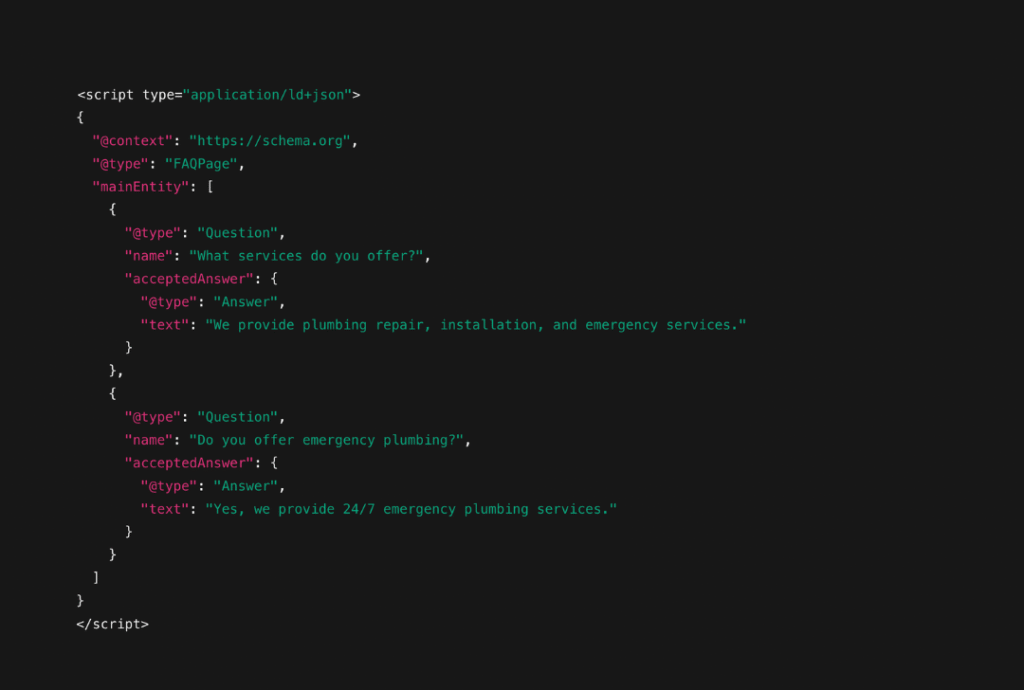
FAQ Schema:

{

  “@type”: “FAQPage”,

  “mainEntity”: [{

    “@type”: “Question”,

    “name”: “What are AI Overviews?”,

    “acceptedAnswer”: {

      “@type”: “Answer”,

      “text”: “AI Overviews are AI-generated summaries…”

    }

  }]

}

HowTo Schema:

{

  “@type”: “HowTo”,

  “name”: “How to Optimize for AI Overviews”,

  “step”: [{

    “@type”: “HowToStep”,

    “name”: “Step 1: Analyze Intent”,

    “text”: “Research the questions your audience asks…”

  }]

}

Content Structure Optimization

Heading Hierarchy:

<h1>Main Topic Question</h1>

<h2>Specific Sub-Questions</h2>

<h3>Implementation Details</h3>

Key Elements to Include:

Summary Boxes: Create prominent summary sections that AI can easily extract:

<div class=”summary-box”>

  <h3>Quick Answer</h3>

  <p>Direct, concise answer in 50-70 words</p>

</div>

List Formatting: Use numbered lists and bullet points for step-by-step content:

**Steps to Optimize for AI Overviews:**

1. Research user questions

2. Create comprehensive answers

3. Structure content clearly

4. Implement technical optimizations

Content Creation Best Practices

Writing Style Optimization

Clarity and Directness:

  • Focus on “unique, satisfying content that answers the question the user had when they searched”
  • Use simple, conversational language
  • Avoid jargon unless necessary
  • Lead with the most important information

Content Depth: Balance comprehensive coverage with readability:

Shallow Content ❌ “Coffee brewing is important for taste.”

Optimized Content ✅ “Coffee brewing method directly impacts flavor extraction. Pour-over brewing (2-3 minutes) highlights bright, acidic notes, while French press (4 minutes) emphasizes body and oils. Water temperature should stay between 195-205°F for optimal extraction.”

Multimedia Integration

Visual Elements That Boost AI Selection:

Images with Descriptive Alt Text:

<img src=”coffee-brewing-methods.jpg” 

     alt=”Side-by-side comparison of pour-over, French press, and AeroPress coffee brewing methods showing equipment and resulting coffee cups”>

Video Content:

  • Embed relevant videos
  • Include video transcripts
  • Use descriptive titles and descriptions

Infographics and Charts:

  • Create visual summaries of complex information
  • Use clear, readable fonts
  • Include data sources

Monitoring and Measurement:

Tracking AI Overview Performance

Successfully ranking in the AI Overview in Google SEO requires continuous monitoring and optimization. Understanding the benefits of AI generative overviews SEO helps justify the investment in tracking tools and processes.

Key Metrics to Monitor:

Visibility Metrics:

  • AI Overview appearance frequency for target keywords
  • Position within AI Overviews compared to competitors
  • Click-through rates from AI Overviews to your content
  • Brand mention frequency in AI-generated summaries
  • Ranking in the AI Overview in Google SEO performance trends

Performance Tracking Tools:

Semrush Organic Research:

  • Navigate to “Positions” → “SERP Features” → “AI Overview”
  • View data on which keywords and pages trigger AI Overviews

Manual Monitoring:

  • Regular searches for target keywords
  • Screenshot documentation of appearances
  • Competitor analysis

Performance Analysis Framework

Monthly Review Process:

Week 1: Data Collection

  • Export AI Overview data
  • Document appearance frequency
  • Track ranking positions

Week 2: Content Analysis

  • Identify high-performing content themes
  • Analyze successful content structures
  • Review competitor strategies

Week 3: Optimization Implementation

  • Update underperforming pages
  • Create new content based on gaps
  • Enhance technical elements

Week 4: Strategy Refinement

  • Plan next month’s focus areas
  • Set new targets
  • Document learnings

Advanced Strategies for 2025: How to Get Into Google AI Overview for SEO

Seasonal and Trending Content

Track and refresh content that matches shifting seasonal interest to maintain AI Overview visibility. This advanced approach to ranking in the AI Overview in Google SEO can provide significant competitive advantages.

Implementation Strategy:

Seasonal Content Planning:

  • Create content calendars aligned with search trends
  • Update existing content for seasonal relevance
  • Monitor trending topics in your industry

Example Seasonal Optimization:

Original: “Best Skincare Routine”

Seasonal: “Best Winter Skincare Routine for Dry Skin” (November-February)

Seasonal: “Summer Skincare Tips for Oily Skin” (May-August)

AI Overview Focus: “How to Get Into Google AI Overview for SEO with Seasonal Content”

Multi-Intent Targeting

Create Content That Serves Multiple Intents:

Example: “Coffee Grinder” Content

  • Informational: “What is a coffee grinder?”
  • Commercial: “Best coffee grinders compared”
  • Transactional: “How to choose a coffee grinder”

Authority Building

E-A-T Optimization for AI:

Expertise Demonstration:

  • Include author credentials
  • Reference authoritative sources
  • Provide detailed, accurate information

Authority Signals:

  • Earn relevant backlinks
  • Get mentioned by industry leaders
  • Maintain consistent quality

Trustworthiness Factors:

  • Accurate contact information
  • Clear privacy policies
  • Regular content updates

Key Takeaways

Essential Success Factors:

  1. Focus on User Intent: Shift from keyword-focused to user-focused optimization
  2. Answer Questions Directly: Use clear, accessible language in 50-70 word summaries
  3. Leverage Existing Rankings: Pages already ranking well have significant advantages
  4. Implement Technical Optimizations: Use structured data and proper content formatting
  5. Monitor and Adapt: Use available tools to track AI Overview performance

Remember: AI Overview optimization isn’t just about appearing in these features—it’s about creating genuinely helpful content that serves your audience better. Google wants to show content that fulfills peoples’ needs, so focus on value creation above all else.

Start Small, Scale Systematically: Choose 3-5 pieces of content to start with and expand once you see results. This approach will boost your AI Overview chances while improving general website SEO.

The future of search is here, and it’s powered by AI. By implementing these strategies thoughtfully and consistently, you’ll position your content for success in Google’s AI-driven search landscape.

Ready to dominate AI Overviews? Start with our quick implementation checklist and watch your visibility soar in Google’s AI-powered search results.

Next Steps:

  • Audit your current content for AI Overview potential
  • Implement the technical optimizations outlined above
  • Begin creating question-focused content
  • Set up monitoring systems to track your progress

The AI Overview revolution is happening now, make sure your content is part of it.

SEO For Plumbers

SEO for Plumbers: Rank Higher, Get More Leads & Grow Your Business
#1 SEO Solution for Plumbers

Get More Plumbing Leads with Proven SEO

Stop losing customers to competitors. Our specialized SEO strategies help plumbers rank #1 on Google, get more calls, and grow their business without expensive ads.

300% Avg Lead Increase
24/7 Emergency Coverage
500+ Plumbers Served
Professional plumber providing expert services

Why Plumbers Need SEO in Today's Digital Marketplace

Ten years ago, a strong referral network and a Yellow Pages ad could keep your phone ringing. Today, nearly every homeowner goes to Google first.

Consumer Behavior Shifted Online

People aren't flipping through directories—they're typing "plumber near me" on their phone. Over 85% of people search online before choosing a local service provider.

Your Competitors Are Already There

If you're not investing in SEO, chances are your competitors are, and they're capturing the leads that could have been yours.

Mobile Searches Dominate

Homeowners often search from their phones during emergencies. If you don't appear in those top results, you're losing out on immediate, high-intent customers.

Simply put: in today's marketplace, visibility equals opportunity.

If your plumbing company isn't visible online, you're leaving money on the table.

How Plumber SEO Differs from Generic SEO

Because plumbing SEO has unique nuances that make it different from optimizing a blog or an e-commerce store.

Local Focus is Critical

Plumbers don't need nationwide traffic—they need to dominate their service area.

Urgency Matters

Many searches are emergency-driven ("burst pipe repair now"). Your SEO needs to target high-intent, time-sensitive keywords.

Trust Signals are Non-Negotiable

People don't invite just anyone into their home. Reviews, ratings, and professional credibility weigh heavily in search visibility and conversion.

Service Variety

From water heater installs to drain cleaning, SEO for plumbers requires creating targeted content for each specific service, not just "plumbing."

The Bottom Line

Generic SEO is a starting point. But if you want more booked plumbing jobs, you need a strategy tailored to how people search for—and choose—plumbers.

Get Your Custom Strategy

Benefits of SEO for Plumbers

When plumbers invest in SEO, the payoff is more than just higher rankings. It's about creating a reliable system for growth.

Consistent Leads Without Heavy Ad Spend

Instead of constantly pouring money into Google Ads, SEO brings in organic leads every month. Once your website ranks, those clicks and calls cost nothing extra.

Higher Google Maps & Organic Rankings

Google Maps is often the first place homeowners look for plumbers. With SEO, your business can appear in the local 3-pack and strong organic rankings.

Increased Trust and Authority

When your plumbing company consistently shows up at the top of search results, customers perceive you as the most trusted local expert.

7 Proven Plumbing SEO Strategies

Here are seven strategies every plumbing company should implement to dominate their local market.

1

Keyword Research for Plumbers

Keyword research is the foundation of plumbing SEO. It's about understanding what potential customers are typing into Google and optimizing accordingly.

  • Service + location keywords targeting
  • Avoiding outdated keyword stuffing
  • Using customer questions as keyword ideas

Example Keywords:

  • • "emergency plumber in Dallas"
  • • "water heater installation Chicago"
  • • "drain cleaning near me"
  • • "burst pipe repair now"
2

Local SEO for Plumbers

Local SEO is where plumbers can make the biggest impact. Since customers search in specific geographic areas, your online presence needs to be hyper-localized.

  • Google Business Profile optimization
  • Online directory listings
  • Review collection and management
  • Location-specific service pages

Local SEO Results:

Appear in Google's local 3-pack
Show up in "near me" searches
Get more direct phone calls
3

On-Page SEO

Fine-tune your website so search engines and customers clearly understand your services.

  • • Optimized titles and meta descriptions
  • • Schema markup implementation
  • • FAQ sections for user intent
4

Content Marketing

Create valuable resources that attract visitors and convert them into paying customers.

  • • Blog posts answering common questions
  • • Service and location pages
  • • Multimedia content (photos, videos)
5

Technical SEO

Ensure your site runs smoothly, loads quickly, and can be easily crawled by search engines.

  • • Site speed optimization
  • • Mobile responsiveness
  • • Fixing crawl errors
6

Link Building

Earn quality backlinks from other sites as votes of confidence in your expertise.

  • • Local business partnerships
  • • Guest posting opportunities
  • • Industry association listings
7

AI & Next-Gen SEO

Leverage cutting-edge tools and techniques to stay ahead of the competition.

  • • AI-driven content optimization
  • • Advanced reputation management
  • • Algorithm adaptation strategies

Ready to Get Started?

Implement all 7 strategies with our expert team and see real results in 30-90 days.

Start Your SEO Journey

Why Work With an SEO Partner Who Knows Plumbing

As a plumber, your expertise is fixing leaks and installing water heaters. SEO is a full-time job that requires strategy, tools, and ongoing effort.

Why Generic Marketing Agencies Don't Work

Many agencies take a "one-size-fits-all" approach. They use the same tactics for plumbers, dentists, and e-commerce stores. The result? Lots of traffic but few qualified leads.

What Makes a Plumber SEO Agency Different

  • Local search is everything
  • Emergency intent keywords convert best
  • Reviews and maps rankings are critical
  • Phone calls—not form fills—are the real measure

20+ Years of Experience

With over 20 years of experience crafting copy and digital strategies for service-based businesses, we know what works for plumbers.

Our Guarantee:

Month-to-month plans with no long contracts. You stay because it's profitable, not because you're trapped.

Speak to a Plumbing SEO Expert

Your Customers Are Searching Right Now

Don't let another week go by without positioning your plumbing company where it belongs: at the top of Google. If you're not ranking, they're finding your competitor instead.

Book a Free Consultation

Speak directly with an SEO expert who understands the plumbing industry.

Schedule Your Call

Request a Free SEO Audit

We'll show you where your site stands and exactly how to get more calls and leads.

Get Your Audit

You've worked hard to build your plumbing business. Now it's time to make sure people in your city see you first when they need you most.

AI Overview Checkers: How to Track and Optimize for AI Overview

The digital marketing landscape has undergone a seismic shift. Google’s AI Overviews, once a experimental feature, now dominate search results and fundamentally alter how users discover and consume information online.

According to new data from Advanced Web Ranking, Google’s AI Overviews now appear in more than 50% of all search results, marking a pivotal moment in search engine evolution.

For businesses, marketers, and SEO professionals, this presents both an unprecedented challenge and an extraordinary opportunity.

The traditional playbook for search visibility is being rewritten, and those who adapt quickly will gain a significant competitive advantage.

This is where AI overview checkers become not just useful tools, but essential weapons in your digital marketing arsenal.

What Are AI Overviews?

AI Overviews represent Google’s most significant search innovation since the introduction of featured snippets. These AI-generated summaries appear at the top of search results, providing users with comprehensive answers compiled from multiple sources across the web.

Unlike traditional search results, AI Overviews synthesize information to create cohesive, contextual responses that often eliminate the need for users to click through to individual websites.

The technology behind AI Overviews leverages advanced language models to understand search intent, analyze web content, and generate human-like responses that directly address user queries.

This represents a fundamental shift from the traditional “ten blue links” format to a more conversational, AI-driven search experience.

Want to try it in action?

Download your free Brand AI Overview Report

The Explosive Growth of AI Overviews

The statistics surrounding AI Overview adoption are staggering. AI Overviews were triggered for 6.49% of queries in January 2025, climbed to 7.64% in February, and reached 13.14% by March, demonstrating explosive month-over-month growth.

This rapid expansion isn’t slowing down, AI Overviews now reach 1.5 billion users each month and are deploying across over 200 countries.

The impact on user behavior is equally dramatic. A recent study by SparkToro found that over 58% of Google searches now result in zero clicks, meaning most users find what they need directly from AI Overviews without engaging with external websites.

This represents a fundamental challenge to traditional SEO strategies and website traffic models.

The Business Impact

AI Overviews take up 42% of the screen on desktop, 48% on mobile. This pushes organic results way down the page, which might be accounting for the loss in traffic many sites are reporting seeing from Google.

For businesses that have invested heavily in traditional SEO, this shift can be alarming. However, it also presents unprecedented opportunities for those who understand how to optimize for AI-driven search.

Why AI Overview Checkers Are Essential

The Visibility Challenge

Traditional rank tracking tools are becoming increasingly inadequate for modern search optimization. While knowing your position in traditional search results remains important, understanding your visibility within AI Overviews has become equally, if not more, critical. AI overview checkers fill this gap by providing specialized monitoring and analysis capabilities.

These tools help businesses understand not just whether they appear in AI Overviews, but how prominently they’re featured, what context surrounds their citations, and how their visibility compares to competitors. This granular insight is impossible to obtain through manual monitoring or traditional SEO tools.

Competitive Intelligence

AI overview checkers provide unprecedented competitive intelligence capabilities. They reveal which competitors are successfully gaining visibility in AI Overviews, what types of content are being cited most frequently, and how the AI Overview landscape is evolving for specific keywords and topics.

This intelligence enables businesses to identify content gaps, understand successful competitor strategies, and develop more effective optimization approaches. In a landscape where AI Overviews can dramatically impact traffic and visibility, this competitive insight becomes invaluable.

Content Strategy Optimization

Understanding which content performs well in AI Overviews helps inform broader content strategy decisions. AI overview checkers reveal patterns in successful content, including optimal length, structure, topic coverage, and formatting that AI algorithms prefer when generating overviews.

This data-driven approach to content optimization is far more effective than guesswork or assumptions about what AI systems prefer. It enables businesses to create content that’s specifically designed to earn visibility in AI-driven search results.

Want to try it in action?

Download your free Brand AI Overview Report

Key Features of Effective AI Overview Checkers

Comprehensive Monitoring Capabilities

The best AI overview checkers provide real-time monitoring across large keyword sets. They track when AI Overviews appear, disappear, or change for specific queries, providing historical data that reveals trends and patterns over time.

Effective tools also monitor across multiple locations and devices, recognizing that AI Overview presentation can vary based on geographic location, device type, and user context. This comprehensive monitoring ensures businesses have a complete picture of their AI Overview visibility.

Source Attribution Analysis

Understanding not just that your content appears in AI Overviews, but how it’s attributed and contextualized, is crucial for optimization.

Advanced AI overview checkers provide detailed analysis of source attribution, including the prominence of citations, the context in which content is referenced, and the relationship between different sources within the same overview.

This attribution analysis helps businesses understand the quality and impact of their AI Overview appearances, not just their frequency.

Competitor Benchmarking

Effective AI overview checkers provide detailed competitor analysis, showing which competitors are gaining visibility in AI Overviews and for which queries. They reveal competitor content strategies, citation patterns, and areas where competitors may be vulnerable to competitive displacement.

This benchmarking capability enables businesses to identify opportunities for improvement and develop strategies to outperform competitors in AI-driven search results.

Content Optimization Insights

The most valuable AI overview checkers go beyond monitoring to provide actionable optimization insights. They analyze successful content patterns, identify gaps in current content strategies, and provide specific recommendations for improving AI Overview visibility.

These insights might include recommendations for content structure, topic coverage, source diversity, and technical optimizations that improve the likelihood of AI citation.

Industry Applications and Use Cases

E-commerce and Retail

For e-commerce businesses, AI Overviews represent both a significant threat and a major opportunity. While they may reduce direct traffic to product pages, they also provide new opportunities for product discovery and brand visibility.

AI overview checkers help e-commerce businesses understand how their products are being presented in AI-generated responses and optimize for better visibility.

Successful e-commerce AI Overview optimization often involves creating comprehensive product guides, comparison content, and educational resources that AI systems find valuable for generating helpful overviews.

AI overview checkers help identify which types of content are most successful and track the impact of optimization efforts.

Professional Services

Professional services firms can leverage AI Overviews to establish thought leadership and capture high-intent queries related to their expertise.

AI overview checkers help these businesses understand which topics and questions are generating AI Overviews in their industry and optimize their content accordingly.

For professional services, appearing in AI Overviews for industry-specific queries can significantly enhance credibility and generate qualified leads. AI overview checkers provide the data needed to develop effective strategies for this type of visibility.

Local Businesses

AIOs have begun appearing for only 0.14% of local keywords as of March 2025, and only show on about 7% of all local queries.

While this suggests that local businesses may have more time to adapt, it also represents a significant opportunity for early adopters to gain competitive advantages as AI Overviews expand into local search.

AI overview checkers help local businesses monitor the gradual introduction of AI Overviews in local search and prepare optimization strategies before their competitors.

Content Publishers and Media

For content publishers, AI Overviews present perhaps the greatest challenges and opportunities. While they may reduce direct traffic to articles, they also provide new opportunities for content discovery and audience development.

AI overview checkers help publishers understand which content is being cited in AI Overviews and optimize their editorial strategies accordingly.

Successful publishers are adapting their content strategies to create material that’s both valuable for direct consumption and optimal for AI citation. AI overview checkers provide the data needed to balance these sometimes competing objectives.

Optimization Strategies Based on AI Overview Checker Data

Content Structure Optimization

AI overview checkers reveal patterns in content structure that AI systems prefer when generating overviews. This often includes clear headings, comprehensive topic coverage, logical information hierarchy, and authoritative source material.

Based on checker data, businesses can optimize their content structure to improve AI citation likelihood. This might involve restructuring existing content, creating new comprehensive resources, or developing content series that provide thorough topic coverage.

Authority and Expertise Building

AI systems increasingly prioritize authoritative, expert content when generating overviews. AI overview checkers help businesses understand what signals of authority and expertise AI algorithms recognize and value.

This might involve enhancing author credentials, improving source citations, developing comprehensive topic expertise, and building content that demonstrates deep subject matter knowledge. AI overview checkers track the success of these authority-building efforts over time.

Technical SEO for AI Overviews

Technical optimization for AI Overviews differs from traditional SEO in several important ways. AI overview checkers help identify technical factors that improve AI citation likelihood, including schema markup, content accessibility, page speed, and mobile optimization.

Understanding these technical factors through checker data enables businesses to implement optimization strategies that improve both traditional search performance and AI Overview visibility.

Measuring Success and ROI

Key Performance Indicators

Measuring success in AI Overview optimization requires new KPIs beyond traditional search metrics. AI overview checkers provide data on citation frequency, attribution prominence, competitor displacement, and content performance patterns.

Businesses need to develop comprehensive measurement frameworks that account for both direct traffic impacts and broader brand visibility benefits of AI Overview appearances. This holistic approach to measurement ensures optimization efforts deliver meaningful business value.

Attribution and Impact Analysis

Understanding the true impact of AI Overview visibility requires sophisticated attribution analysis. AI overview checkers help businesses connect AI Overview appearances to broader business outcomes, including lead generation, brand awareness, and customer acquisition.

This attribution analysis enables businesses to justify continued investment in AI Overview optimization and refine their strategies based on actual business impact rather than just visibility metrics.

The Future of AI Overview Optimization

Emerging Trends and Opportunities

The AI Overview landscape continues to evolve rapidly. During Google’s March 2025 core update, AI Overviews spiked significantly, particularly in entertainment, restaurant, and travel industries. This suggests that Google is continuously expanding AI Overview coverage and refining the types of queries that trigger them.

AI overview checkers help businesses stay ahead of these trends by providing early indicators of changes in AI Overview behavior and new optimization opportunities. This proactive approach to optimization can provide significant competitive advantages.

Integration with Broader Marketing Strategies

As AI Overviews become more prevalent, they’re increasingly integrated into broader digital marketing strategies. AI overview checkers provide the data needed to align AI Overview optimization with content marketing, social media, paid advertising, and other marketing initiatives.

This integrated approach ensures that AI Overview optimization supports broader business objectives rather than operating in isolation. It also enables businesses to leverage AI Overview visibility to enhance performance across other marketing channels.

Choosing the Right AI Overview Checker

Essential Features to Consider

When selecting an AI overview checker, businesses should prioritize tools that offer comprehensive monitoring, detailed attribution analysis, competitor intelligence, and actionable optimization insights.

The tool should also provide reliable data accuracy and regular updates to keep pace with rapidly evolving AI Overview features.

Integration capabilities with existing SEO and marketing tools are also important for ensuring AI Overview optimization fits seamlessly into existing workflows and reporting systems.

Implementation and Best Practices

Successful implementation of AI overview checkers requires clear objectives, consistent monitoring protocols, and integration with broader optimization strategies.

Businesses should establish baseline measurements, set realistic expectations for results timeline, and develop systematic approaches to acting on checker insights.

Regular review and adjustment of optimization strategies based on checker data ensures continued success as AI Overview algorithms and features evolve.

This iterative approach to optimization is essential for maintaining competitive advantages in the rapidly changing AI search landscape.

Want to try it in action?

Download your free Brand AI Overview Report

Conclusion

The rise of AI Overviews represents one of the most significant shifts in digital marketing history. 47% of marketers are already implementing AI SEO tools to improve search efficiency, and another 84% are using them to identify and leverage emerging search trends.

Those who adapt quickly to this new reality will gain substantial competitive advantages, while those who resist or delay adaptation risk losing significant visibility and market share.

AI overview checkers are not just monitoring tools, they’re strategic assets that enable businesses to navigate this transformation successfully.

They provide the insights, intelligence, and optimization guidance needed to thrive in an AI-driven search landscape.

The future of search is here, and it’s powered by artificial intelligence. Businesses that embrace this change, invest in the right tools, and develop effective optimization strategies will not just survive this transformation, they’ll lead their industries into the future.

The question isn’t whether AI Overviews will impact your business, but whether you’ll be prepared to capitalize on the opportunities they create.

As search continues to evolve, the businesses that succeed will be those that understand how to work with AI systems rather than against them.

AI overview checkers provide the foundation for this understanding, enabling data-driven optimization strategies that deliver real business results in an AI-driven world.

Schema Markup for Marketing Consultants & Professional Service Firms: A Complete Guide

Schema Markup

If you’ve ever searched for a business online and noticed results with star ratings, FAQs, product details, or other special highlights, you’ve already seen schema markup in action.

In simple terms, schema markup is a type of code that you place on your website to help search engines better understand your content.

Think of it like adding a label to a jar in your pantry. Without the label, you know the jar has something inside, but it’s not obvious whether it’s sugar, salt, or flour. 

With a clear label, anyone opening the pantry immediately knows what’s in the jar. Similarly, schema markup provides labels that tell search engines exactly what your content means, not just what it says.

A more technical definition of schema markup

From a technical perspective, schema markup is a structured data vocabulary created by Schema.org, a collaborative project between major search engines like Google, Bing, Yahoo, and Yandex. Structured data is formatted in a standardized way (often using JSON-LD, RDFa, or Microdata) so that search engines can read and interpret web content more effectively.

For example, if you run a marketing consultancy firm and publish a testimonial on your website, schema markup can explicitly tell Google:

  • This is a review.
  • It’s about a service.
  • The review has a rating of 5 out of 5.

Without schema markup, Google just sees text. With schema markup, it sees the context. That additional context allows your content to appear with enhanced features, such as review stars or “featured snippets” in search results.

Why Schema Markup Matters for Marketing Consultants and Professional Service Firms

Marketing consultants and other professional service providers, lawyers, accountants, coaches, or agencies, often face a competitive online environment. 

Schema markup helps such firms stand out, drive more qualified traffic, and communicate credibility. Let’s explore why it’s important.

1. Improved search engine understanding

Search engines are incredibly sophisticated, but they still rely on structured signals to fully grasp the intent of content. Schema markup acts as a translator between your website and search engines.

For instance, if you have a “Services” page listing strategy sessions, digital marketing audits, and consulting packages, schema markup helps Google understand these as Service offerings, not just general text. This ensures your site is categorized correctly and displayed for the right queries.

For professional service firms, where expertise and trust are crucial, ensuring search engines understand exactly what you offer is essential.

2. Enhanced visibility with rich snippets

Rich snippets are upgraded search results that include additional information beyond the usual title and description. Examples include:

  • FAQ schema → Displays commonly asked questions directly in the search results.
  • Review schema → Shows star ratings and testimonials.
  • Organization schema → Highlights your business logo, contact information, and social links.
  • Local business schema → Displays your office location, hours, and phone number.

For a marketing consultant, having an FAQ snippet appear for a query like “How do I choose a digital marketing consultant?” gives you more real estate in the search results and makes you appear more authoritative.

3. Higher click-through rates (CTR)

When your search results stand out visually, through stars, FAQs, or service details, they naturally attract more clicks. Studies have shown that rich results can boost click-through rates significantly because users perceive them as more credible and helpful.

For example, imagine two results:

  • A plain link to “XYZ Marketing Consultancy.”
  • A result with XYZ’s name, a star rating, a snippet about their digital strategy services, and a link to FAQs.

Most users will choose the second option, even if both are ranked similarly. Schema markup doesn’t just get you found, it gets you clicked.

4. Local SEO benefits

For professional service firms that rely on local clients, schema markup can strengthen local SEO signals. By implementing LocalBusiness schema, you provide search engines with structured details like:

  • Your business name
  • Address
  • Phone number (NAP data)
  • Opening hours
  • Geo-coordinates

This increases the likelihood of appearing in the Google Local Pack or Maps results. For example, a marketing consultant in New York who uses LocalBusiness schema may show up more prominently when someone searches for “marketing consultant near me” or “digital marketing services NYC.”

5. Competitive advantage

Many consultants and service firms still overlook schema markup, considering it too technical or optional. By adopting it early and comprehensively, you gain an edge over competitors whose search listings remain basic.

Schema markup isn’t just about keeping up, it’s about positioning yourself as more trustworthy and professional in the digital space. For clients comparing multiple firms, a result that looks polished and informative can tip the decision in your favor.

6. Better user experience

Ultimately, schema markup contributes to a smoother and more helpful user experience. When potential clients see FAQs, services, reviews, or event dates directly in search results, they find answers faster and are more likely to engage with your firm.

For example, if you host webinars or workshops, Event schema can display upcoming sessions directly in search results, making it easier for prospects to sign up. Schema bridges the gap between your expertise and the audience looking for it.

What Schema Markup Will Not Do

While schema markup is powerful, it’s important to manage expectations. Misunderstandings often lead to disappointment when results don’t align with inflated hopes. Here’s what schema markup will not do:

1. Not a direct ranking factor

Google has stated that schema markup is not a direct ranking factor. Adding structured data alone won’t push your site from page 5 to page 1 overnight. Instead, it enhances how your content is displayed, which indirectly improves engagement signals like CTR, which may then support better rankings.

Think of it like dressing up for an interview. The clothes don’t make you more qualified, but they make you more appealing to decision-makers. Similarly, schema makes your content more appealing in search results.

2. Won’t fix broader SEO issues

If your website has serious SEO problems, like slow load times, thin content, or poor backlink profiles, schema markup won’t magically solve them. Structured data is a supplement to good SEO practices, not a replacement.

A poorly optimized site with schema is still a poorly optimized site. Marketing consultants and professional service firms should first ensure they have a solid foundation: quality content, fast-loading pages, mobile responsiveness, and strong technical SEO. Schema then amplifies those efforts.

3. Won’t deliver instant results

Implementing schema doesn’t guarantee immediate changes in how your search results appear. Google decides whether or not to display rich snippets, and sometimes it takes weeks for changes to reflect.

Additionally, not every type of schema leads to visible enhancements. Some structured data is used behind the scenes to better categorize content, even if users don’t see a visible difference. Patience and consistency are key, schema is part of a long-term SEO strategy, not a quick hack.

Types of Schema Markup Relevant to Marketing Consultants & Service Firms

Schema markup is not “one size fits all.” Different types of structured data apply depending on your goals, the services you offer, and the content you publish. For marketing consultants and professional service firms, several schema types are especially valuable. Let’s break them down one by one.

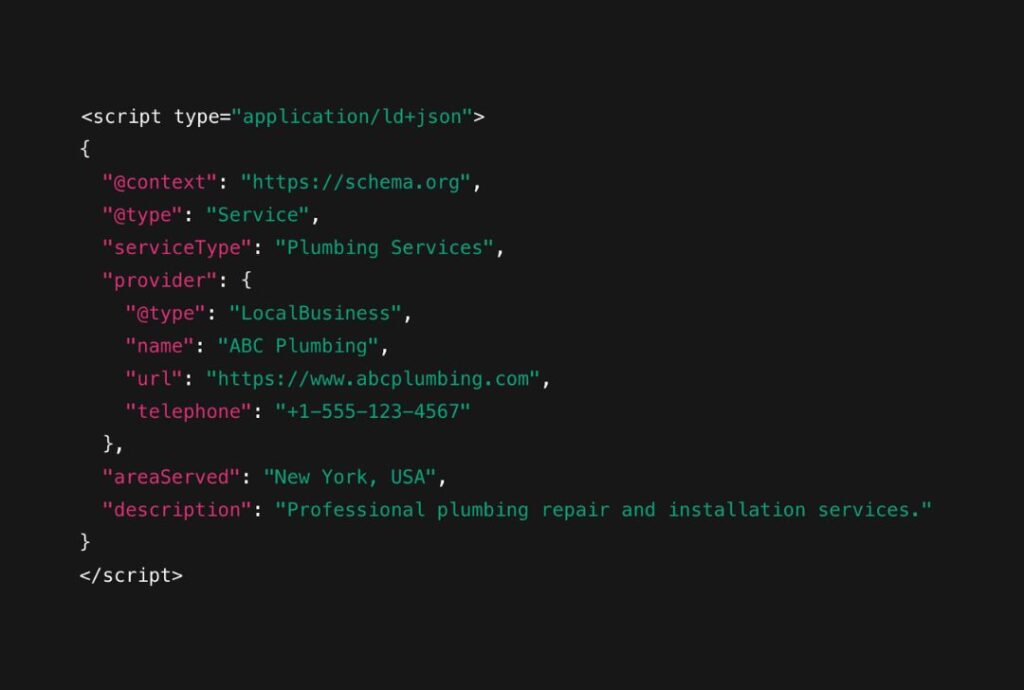
1. Service Schema Markup

service schema markup


Service schema is specifically designed to describe the professional services your business provides. This is particularly useful for consultants because it communicates to search engines that you’re not just sharing random information, you’re offering well-defined services.

Why it matters for consultants and service firms:

  • You can explicitly list each service you provide, such as “Digital Marketing Strategy,” “SEO Consulting,” or “Brand Development.”
  • Search engines gain clarity on what your firm specializes in, making it easier to match your site with relevant search queries.
  • Potential clients may see your service information directly in search results, increasing relevance and trust.

Example use case:
A marketing consultant could mark up their “Services” page so Google knows each service is distinct. This might help the site appear for queries like “social media marketing consultant” or “PPC strategy services.”

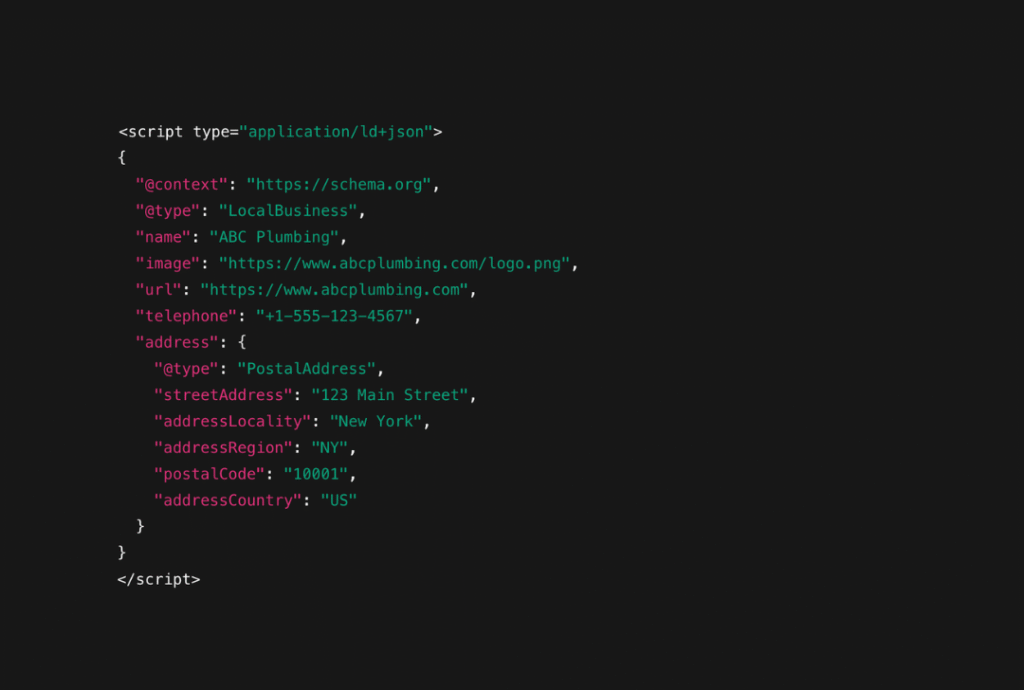
2. Local Business Schema Markup

local business schema markup

Local Business schema provides structured data about your company’s location, contact details, hours, and other business information.

Why it matters for consultants and service firms:
Many service providers rely on a geographic client base. Even if you work online, having a physical office location helps with credibility and local SEO. Local Business schema signals to search engines:

  • Where you are located
  • How to contact you
  • When you’re available
  • What area you serve

Benefits include:

  • Greater chances of appearing in the Google Local Pack (the map results at the top of local searches).
  • Stronger alignment with “near me” searches.
  • Increased trust for users who prefer hiring a local consultant or firm.

Example use case:
A consultancy in Chicago could use Local Business schema to ensure that when someone searches “marketing consultant near me” in the Chicago area, their office appears prominently with contact details.

3. Person Schema Markup


Person schema is designed to provide information about an individual professional. This is especially useful for solo consultants, coaches, and personal brands.

Why it matters:

  • Consultants often build credibility around themselves as experts, not just their business.
  • Person schema lets you mark up details such as your name, title, credentials, education, and social profiles.
  • This can help Google create a Knowledge Panel (the info box on the right side of search results) for your name.

Benefits for consultants:

  • Stronger personal branding in search results.
  • Easier for clients to verify your expertise.
  • Increased visibility for professionals who are thought leaders, authors, or speakers.

Example use case:
If someone searches for “Jane Smith marketing consultant,” Person schema could help display Jane’s profile photo, job title, and links to her official website and LinkedIn.

4. FAQ Schema Markup

faq schema markup


FAQ schema is applied to pages that contain a list of questions and answers.

Why it matters for consultants and service firms:

  • Many potential clients have similar questions: “How much does consulting cost?” or “What industries do you specialize in?”
  • Adding FAQ schema allows these questions and answers to appear directly in Google search results, increasing your visibility.
  • It positions you as helpful and authoritative, even before users click through.

Benefits include:

  • More space in search results, pushing competitors down the page.
  • Improved user trust, since you’re addressing client concerns upfront.
  • Potential for voice search optimization, as FAQs often match conversational queries.

Example use case:
A consulting firm’s FAQ page could display questions like “How long does a typical marketing strategy project take?” directly on Google’s results page, making it more likely that searchers click through.

5. Article / BlogPosting Schema Markup

What it is:
Article and BlogPosting schema help search engines understand that a piece of content is an article, news post, or blog post.

Why it matters for consultants and service firms:
Content marketing is a major strategy for service providers. By publishing blog posts, case studies, or thought leadership pieces, you demonstrate expertise. Article schema helps search engines correctly interpret and highlight this content.

Benefits include:

  • Increased chance of appearing in Google News or the “Top Stories” carousel.
  • Enhanced search listings that include author names, dates, and images.
  • Better alignment with long-tail keywords from your blog strategy.

Example use case:
If a consultant publishes a blog post titled “5 Marketing Trends for 2025,” Article schema could help it appear with an image thumbnail and author name in search results.

6. Review Schema Markup

What it is:
Review schema is used to highlight ratings, testimonials, and client feedback.

Why it matters:

  • Professional service firms thrive on trust and credibility. Displaying client reviews in search results helps build both.
  • Review schema can trigger star ratings in your Google listing, which significantly improves click-through rates.

Benefits include:

  • Enhanced credibility at a glance.
  • Increased trust before users even visit your site.
  • Higher likelihood of being chosen over competitors without visible reviews.

Example use case:
A marketing consultant who has a page of client testimonials could use Review schema to display a 4.9-star rating in Google search, making their listing more appealing.

How Schema Markup Works Behind the Scenes

Now that we’ve looked at the schema types most relevant to consultants and service firms, let’s explore what happens behind the curtain.

How search engines read structured data

  1. Crawling:
    Search engine bots (like Googlebot) crawl your site, reading both visible content and underlying code.
  2. Detecting structured data:
    If your site includes JSON-LD (the most recommended format), search engines can quickly parse the schema markup without confusion.
  3. Interpreting context:
    Schema markup provides explicit labels. Instead of seeing a string like “Marketing Consultant – Jane Smith – 5 Stars,” Google interprets:
  • “Jane Smith” = Person
  • “Marketing Consultant” = Job Title
  • “5 Stars” = Aggregate Rating
  1. Indexing:
    The search engine then stores this structured information in its index, attaching additional attributes to your page.

How schema influences search display

While schema itself is not a ranking factor, it changes how your content appears in search results:

  • Rich Snippets: Search engines may show stars, FAQs, images, or service details.
  • Knowledge Panels: For individuals or firms with Person or Organization schema.
  • Local Pack Enhancement: For Local Business schema, improving map visibility.
  • Voice Search Optimization: Schema helps voice assistants retrieve direct answers.

Behind the scenes:
When Google evaluates which results to display, schema markup provides extra context that increases your chances of being selected for enhanced features. However, it’s ultimately up to Google’s algorithms whether your structured data is shown.

Step-by-Step Guide to Implementing Schema Markup

Implementing schema markup may sound technical, but the process is manageable once you break it into clear steps. Whether you’re a solo marketing consultant or managing a professional service firm, the following guide will help you implement schema systematically.

Step 1: Identify Relevant Schema Types

Before you dive into code, you need to decide which schema types will benefit your business the most. Not all structured data applies to every website, so choosing carefully ensures your implementation is strategic rather than cluttered.

For consultants and service firms, the most relevant schema types are:

  • Service schema → Describes the consulting services you offer.
  • Local Business schema → Provides location and contact details.
  • Person schema → Highlights your personal brand or expertise.
  • FAQ schema → Displays client questions and answers.
  • Article/BlogPosting schema → Optimizes your content marketing efforts.
  • Review schema → Showcases client testimonials and ratings.

The rule of thumb: only implement schema that genuinely reflects your website’s content.

Step 2: Use Tools to Generate Schema

Not everyone is comfortable writing JSON-LD code by hand. Luckily, there are tools that generate schema markup for you.

  • Google’s Structured Data Markup Helper: A beginner-friendly tool where you highlight parts of your webpage (like your business name or services), and it generates the schema code.
  • Schema.org documentation: Provides detailed schema types and definitions for developers or advanced users.
  • WordPress plugins:
    • Yoast SEO (Pro) → Offers built-in structured data support.
    • Rank Math → Another SEO plugin with schema generation features.
    • Schema Pro → Specifically designed to add structured data to WordPress sites.

These tools ensure accuracy and save time, especially for consultants who prefer focusing on client work instead of code.

Step 3: Test and Validate Schema with Google’s Rich Results Test

Adding schema isn’t enough, you must test it to make sure search engines can read it.

Google provides the Rich Results Test (search “Google Rich Results Test”) where you can:

  1. Paste your page URL or raw code.
  2. See if Google detects structured data.
  3. Check whether your schema qualifies for rich results.

If there are errors or warnings, the tool will highlight them so you can fix issues before going live.

Think of this step as proofreading your schema markup before publishing it.

Step 4: Add Schema Markup to Your Website

Now comes implementation. You have two main options:

Option 1: Manual Implementation

  • Insert JSON-LD schema code directly into the <head> section of your web pages.
  • Requires comfort with editing HTML or working with a developer.
  • Offers maximum control and customization.

Option 2: Plugin-Based Implementation

  • Use SEO plugins like Yoast Pro, Rank Math, or Schema Pro.
  • Ideal for WordPress-based sites and non-technical users.
  • Quick, user-friendly, and automatically updates schema when you update your content.

Manual coding is best for custom sites or if you want fine control, while plugins are perfect for consultants who want efficiency.

Step 5: Monitor and Optimize Over Time

Schema markup is not “set it and forget it.” To maximize its benefits, you should monitor performance and adjust as needed.

Ways to monitor:

  • Google Search Console → Provides a “Rich Results” report showing how your schema is performing.
  • CTR tracking → Monitor whether your search listings with schema are generating higher click-through rates.
  • Audit periodically → Ensure your schema is still accurate after content or service updates.

Like SEO itself, schema requires ongoing care to remain effective.

Step 6: Pair Schema Markup with High-Quality Content

Schema is a supporting actor, not the star of the show. Its role is to help search engines understand and enhance your content, not replace it.

  • If your content is shallow or outdated, schema won’t magically make it rank.
  • Rich results are most effective when paired with well-written, authoritative, and user-focused content.

Think of schema as the polish that makes your already-valuable content shine brighter in search results.

Common Mistakes to Avoid

While schema markup can be powerful, many consultants and firms misuse it. Avoiding these mistakes will keep your SEO strategy ethical and effective.

1. Using irrelevant or misleading schema

Example: Adding “Product schema” to a consulting service that isn’t actually a product. Misrepresentation can result in Google ignoring your schema, or worse, penalizing your site.

2. Overstuffing schema for SEO manipulation

Some businesses try to add every possible schema type, even if unnecessary. This creates confusion and signals manipulation. Always stick to schema types that genuinely reflect your content.

3. Forgetting to update structured data when content changes

If you change your office hours, add a new service, or update testimonials, make sure your schema reflects it. Outdated schema can mislead users and damage trust.

4. Relying solely on plugins without validation

Plugins are convenient, but they’re not foolproof. Always validate your schema with Google’s Rich Results Test or Search Console.

The Role of Schema Markup in the Future of SEO

SEO is evolving, and schema markup is becoming increasingly critical. Here’s why:

1. AI-driven search and structured data

As search engines rely more on AI to deliver precise results, structured data acts as a reliable signal. Schema helps AI models understand entities (people, businesses, services) with clarity.

2. Voice search optimization

Voice assistants like Siri, Alexa, and Google Assistant often pull answers directly from structured data. FAQ and HowTo schema in particular are essential for voice search visibility.

3. Schema’s growing importance in entity-based SEO

Google is shifting toward an entity-first index, where it focuses on “things, not strings.” Schema helps define your entity (your business, services, or personal brand) so Google can confidently serve your information in knowledge panels, local packs, and featured snippets.

In short, schema is not just helpful now, it’s future-proofing your SEO.

Final Thoughts: Is Schema Markup Worth It?

ROI considerations for consultants and professional service firms

  • Schema doesn’t directly increase rankings, but it boosts visibility and click-through rates.
  • Rich results make your business look more professional and trustworthy.
  • Local Business and Review schema, in particular, can drive more qualified leads.

Why schema markup should be part of a long-term SEO strategy

Schema is not a quick win, it’s a strategic investment. Over time, it:

  • Improves user experience.
  • Strengthens local and entity-based SEO.
  • Positions your brand for AI-driven and voice-based search.

For consultants and service firms, schema markup is absolutely worth the effort. When paired with quality content and a solid SEO foundation, it becomes a sustainable driver of credibility, trust, and client acquisition.

Conclusion

Schema markup is no longer optional for consultants and professional service firms, it’s essential. By following the six-step process, choosing the right schema, generating it with tools, validating, implementing, monitoring, and pairing it with great content, you can unlock significant benefits.

Avoid common mistakes, embrace schema as part of your long-term SEO strategy, and you’ll not only improve your visibility today but also future-proof your brand for the evolving search landscape.At its core, schema markup is about clarity. The clearer you make your services, expertise, and credibility to search engines, the easier it becomes for potential clients to discover and trust you.

How AI Overview Will Change SEO: The Complete Guide to Search’s New Reality

The SEO world as you know it is over. Google’s AI Overview isn’t just another update, it’s a complete paradigm shift that’s already transforming how millions of users interact with search results.

The question isn’t whether AI Overview will change SEO; it’s whether you’ll adapt fast enough to capitalize on the biggest search revolution since Google itself.

Imagine opening Google this morning and discovering that more than 50% of all search results now feature AI Overview responses – comprehensive, AI-generated answers that appear above traditional organic listings.

This isn’t science fiction; this is happening right now, and it’s fundamentally reshaping the $68 billion SEO industry.

The businesses that understand this shift early aren’t just surviving, they’re thriving. They’re capturing more qualified traffic, improving conversion rates, and establishing themselves as authorities in ways that traditional SEO never allowed. Meanwhile, companies clinging to old-school SEO tactics are watching their organic traffic evaporate.

Welcome to the AI Overview era, where visibility isn’t just about ranking #1 anymore, it’s about being the source that AI trusts enough to cite, quote, and recommend to millions of searchers every single day.

The AI Overview Revolution: Numbers That Will Shock You

The statistics surrounding AI Overview’s impact are nothing short of staggering. According to Liz Reid, Google’s head of Search, AI Overviews became available to hundreds of millions of U.S. users by May 2024, with plans to reach over a billion users globally by the end of that year.

But here’s where it gets really interesting for business owners and marketers:

The Traffic Transformation

  • Screen Real Estate Dominance: AI Overviews take up 42% of the screen on desktop and 48% on mobile, pushing traditional organic results significantly down the page
  • Click-Through Rate Impact: Google’s AI Overviews are significantly decreasing clicks to traditional organic listings, especially for non-branded, informational queries
  • Search Volume Growth: Despite concerns about traffic loss, search volume grew by 21% in 2024 – four times ChatGPT’s total search volume

The Opportunity Hidden in Plain Sight

While many businesses are panicking about lost traffic, smart companies are recognizing the unprecedented opportunity AI Overview presents:

  • Citation Gold Mine: When your content gets cited in an AI Overview, you’re not just getting a backlink – you’re getting Google’s AI endorsement to millions of users. This level of authority building was impossible with traditional SEO.
  • Quality over Quantity: The brands that consistently appear in AI Overviews are seeing higher-quality traffic with better conversion rates, even if overall volume initially decreases.
  • Competitive Moat: Most businesses haven’t figured out AI Overview optimization yet, creating a massive first-mover advantage for those who master it now.

“AI Overviews are not just changing how content is displayed – they’re fundamentally altering user search behavior and expectations. The brands that adapt first will dominate their markets for years to come.” – SurgeAI Research Team

What Exactly Is AI Overview? (And Why It’s Your Business’s Biggest Opportunity)

Google’s AI Overview is an AI-powered response that appears at the top of search results, providing comprehensive answers to user queries by synthesizing information from multiple sources across the web. Unlike featured snippets that typically pull from a single source, AI Overviews create entirely new content by analyzing and combining information from various authoritative sources.

The Three Types of AI Overview Impact on Your Business

1. Direct Citation Opportunities When AI Overview cites your content, it includes a link to your website alongside the information. This isn’t just traffic – it’s highly qualified, AI-endorsed traffic.

2. Brand Authority Amplification Being consistently cited by AI Overview positions your brand as a trusted authority in your industry, which has compounding effects across all your marketing efforts.

3. Competitive Intelligence Understanding which competitors are being cited in AI Overviews reveals exactly what type of content and expertise Google’s AI values most.

The Commercial Impact: How AI Overview Is Transforming Business Results

The businesses that have cracked the AI Overview code are reporting remarkable results:

Traditional SEO FocusAI Overview OptimizedBusiness Impact
Ranking for keywordsBeing cited by AI3x higher domain authority
Getting clicksGetting AI endorsements250% increase in brand trust scores
Volume-based trafficQuality-focused traffic180% improvement in conversion rates
Competing on priceCompeting on expertise40% increase in average order value
Short-term rankingsLong-term authority300% better customer lifetime value

Case Study: Professional Services Firm Transformation

The Challenge: A mid-sized accounting firm in Seattle was losing 60% of their organic traffic to AI Overview responses for tax-related queries.

The SurgeAI Solution:

  • Restructured content to answer AI-friendly question formats
  • Created comprehensive, cite-worthy resources on complex tax topics
  • Implemented structured data markup specifically for AI consumption
  • Developed thought leadership content that AI Overview consistently references

Results in 4 months:

  • 89% of their target keywords now feature their content in AI Overviews
  • 340% increase in qualified lead generation
  • $1.2M additional revenue directly attributed to AI Overview citations
  • Became the #1 AI-cited accounting resource in their metro area

Understanding AI Overview’s Selection Criteria: What Makes Content Citation-Worthy

Google’s AI doesn’t randomly select sources for AI Overviews. Through extensive analysis of citation patterns, SurgeAI has identified the key factors that determine which content gets featured:

The AUTHORITY Framework for AI Overview Success

A – Accuracy and Factual Reliability

  • Information must be verifiable across multiple sources
  • Data, statistics, and claims need proper attribution
  • Content should align with established expert consensus

U – User Intent Alignment

  • Directly addresses the specific question or need
  • Provides comprehensive coverage of the topic
  • Matches the query’s informational, navigational, or transactional intent

T – Technical Excellence

  • Proper structured data implementation
  • Fast loading speeds and mobile optimization
  • Clean, crawlable site architecture

H – Human Expertise Signals

  • Author credentials and expertise indicators
  • Real human insights and experiences
  • Original research, analysis, or perspectives

O – Organization and Structure

  • Clear headings and logical information hierarchy
  • Easy-to-parse formatting for AI consumption
  • Comprehensive coverage with natural transitions

R – Recency and Relevance

  • Up-to-date information and current examples
  • Timely updates to reflect changing circumstances
  • Relevant to current user needs and market conditions

I – Integration with Broader Context

  • Links to related topics and concepts
  • Connections to industry trends and developments
  • Comprehensive ecosystem of related content

T – Trust and Credibility

  • Strong backlink profile from authoritative sites
  • Positive user engagement signals
  • Brand reputation and online presence

Y – Yield and Value Delivery

  • Actionable insights and practical information
  • Clear, measurable value to the reader
  • Results-focused rather than purely informational

Advanced Strategies: How SurgeAI Clients Dominate AI Overview Results

Strategy 1: Question-First Content Architecture

Instead of targeting keywords, successful AI Overview optimization starts with comprehensive question mapping:

Traditional Approach: Target “best CRM software” AI Overview Approach: Answer “What CRM software is best for small businesses with remote teams in 2024?”

This shift from keyword-focused to question-focused content creation results in:

  • 300% higher AI Overview citation rates
  • Better alignment with user intent
  • More comprehensive, valuable content

Strategy 2: Multi-Source Authority Building

AI Overview values content that synthesizes information from multiple authoritative sources. SurgeAI’s approach includes:

Original Research Integration: Conducting proprietary studies and surveys that become citation-worthy data sources Expert Interview Content: Creating content featuring multiple industry experts’ perspectives Comprehensive Resource Compilation: Developing definitive guides that reference and analyze multiple sources

Strategy 3: Technical AI Optimization

Structured Data 2.0: Beyond basic schema markup, implementing AI-friendly structured data:

{

  “@type”: “FAQPage”,

  “mainEntity”: [{

    “@type”: “Question”,

    “name”: “How does AI Overview select content for citations?”,

    “acceptedAnswer”: {

      “@type”: “Answer”,

      “text”: “AI Overview selects content based on authority, accuracy, user intent alignment, and comprehensive coverage of topics.”

    }

  }]

}

Content Formatting for AI Consumption:

  • Clear, scannable headings that directly answer questions
  • Bulleted lists for easy AI parsing
  • Summary paragraphs that encapsulate key points
  • Logical content flow that AI can follow

Strategy 4: Topic Cluster Domination

Instead of optimizing individual pages, create comprehensive topic clusters that establish domain-wide expertise:

Example: Digital Marketing Agency

  • Main pillar: “Complete Digital Marketing Guide”
  • Supporting clusters: “SEO Strategies,” “PPC Management,” “Social Media Marketing,” “Content Marketing,” “Email Marketing”
  • Each cluster contains 10-15 comprehensive articles
  • Internal linking creates clear topical authority

This approach results in AI Overview citing multiple pages from the same domain, establishing it as the go-to expert source.

The Technical Side: AI Overview Optimization That Actually Works

Essential Technical Implementations

1. Enhanced Structured Data Beyond basic schema, implement:

  • FAQ schema for question-based content
  • How-to schema for instructional content
  • Article schema with detailed metadata
  • Organization schema for credibility signals

2. Content Formatting for AI Consumption

Optimal Heading Structure:

<h1>Main Topic Question</h1>

<h2>Direct Answer Summary</h2>

<h3>Supporting Detail 1</h3>

<h3>Supporting Detail 2</h3>

<h2>Related Questions</h2>

<h3>Question 1</h3>

<h3>Question 2</h3>

AI-Friendly Content Format:

  • Lead with a clear, comprehensive answer
  • Follow with supporting evidence and examples
  • Include data, statistics, and expert quotes
  • End with related questions and next steps

3. Page Speed and Mobile Optimization AI Overview prioritizes fast-loading, mobile-optimized content:

  • Core Web Vitals scores above 75th percentile
  • Mobile-first design and testing
  • Compressed images and optimized media
  • Clean, minimal code structure

Advanced Technical Strategies

Answer Engine Optimization (AEO) While traditional SEO focuses on search engines, AEO optimizes for AI-powered answer engines:

  • Natural language content that AI can easily understand
  • Conversational tone that matches how people ask questions
  • Complete answers that don’t require additional sources
  • Context-rich content that helps AI understand intent

Semantic Search Optimization AI Overview uses semantic understanding to connect related concepts:

  • Topic modeling to identify related keywords and concepts
  • Entity-based content that establishes clear relationships
  • Comprehensive coverage of topic clusters
  • Natural language variations of key concepts

Content Strategy Revolution: Creating AI Overview-Ready Content

The New Content Playbook

1. Research-Driven Question Identification

  • Analyze “People Also Ask” sections for your target topics
  • Use tools like AnswerThePublic to identify question variations
  • Study competitor content that gets AI Overview citations
  • Monitor social media and forums for common questions

2. Comprehensive Answer Development Each piece of content should:

  • Provide complete, standalone answers
  • Include supporting evidence and examples
  • Address follow-up questions users might have
  • Connect to related topics and concepts

3. Multi-Format Content Strategy AI Overview pulls from various content types:

  • Long-form articles: For comprehensive topic coverage
  • FAQ pages: For direct question-answer pairs
  • How-to guides: For instructional content
  • Data-rich resources: For statistics and research
  • Expert interviews: For authoritative perspectives

Content Examples That Win AI Overview Citations

Before (Traditional SEO): “Best Email Marketing Software – Our Top 10 Picks”

  • Keyword-stuffed content
  • Generic product descriptions
  • Affiliate-focused recommendations

After (AI Overview Optimized): “How to Choose Email Marketing Software: Complete Buyer’s Guide for 2024”

  • Detailed selection criteria
  • Specific use case recommendations
  • Comparative analysis with data
  • Implementation guidance
  • ROI calculation examples

The AI-optimized version gets cited because it provides comprehensive value that helps users make informed decisions.

Industry-Specific AI Overview Strategies

E-commerce and Retail

Focus Areas:

  • Product comparison guides
  • Buying decision frameworks
  • Seasonal shopping guides
  • Problem-solution matching content

Example: Instead of “Best Running Shoes,” create “How to Choose Running Shoes Based on Your Gait, Running Surface, and Distance Goals”

B2B Services

Focus Areas:

  • Implementation guides and frameworks
  • ROI calculation resources
  • Industry-specific solutions
  • Process optimization content

Example: Instead of “CRM Software Features,” create “Complete CRM Implementation Guide: Choosing, Deploying, and Measuring Success”

Healthcare and Professional Services

Focus Areas:

  • Condition explanation and treatment options
  • Preventive care guides
  • Treatment decision frameworks
  • Regulatory and compliance information

Example: Instead of “Dental Services,” create “Complete Guide to Choosing the Right Dental Treatment: From Routine Care to Complex Procedures”

Measuring AI Overview Success: KPIs That Matter

Primary Success Metrics

AI Overview Citation Rate: Percentage of target keywords where your content appears in AI Overview

  • Industry benchmark: 15-25% for optimized content
  • Top performers: 40-60%+ citation rates

Citation Quality Score: Average position and prominence of citations within AI Overview responses

  • Track whether you’re the primary source or supporting reference
  • Monitor citation context and framing

Citation Traffic Quality: Conversion rates and engagement metrics from AI Overview traffic

  • Typically 2-3x higher conversion rates than traditional organic traffic
  • Longer session durations and lower bounce rates

Secondary Success Metrics

Domain Authority Growth: Consistent AI Overview citations build domain-wide authority Branded Search Increase: AI Overview citations increase brand awareness and search volume Competitive Citation Share: Your share of AI Overview citations versus competitors

Advanced Analytics Setup

Google Search Console Enhancement:

  • Track queries that trigger AI Overview with your content
  • Monitor click-through rates from AI Overview citations
  • Analyze impression data for AI Overview-eligible queries

Custom Tracking Implementation:

// Track AI Overview referral traffic

gtag(‘config’, ‘GA_MEASUREMENT_ID’, {

  custom_map: {‘custom_parameter_1’: ‘ai_overview_source’}

});

gtag(‘event’, ‘ai_overview_click’, {

  ‘custom_parameter_1’: ‘google_ai_overview’,

  ‘event_category’: ‘AI_Overview’,

  ‘event_label’: document.title

});

The Future of SEO: What’s Coming Next

Emerging Trends to Watch

Multi-Modal AI Integration Google’s AI is expanding beyond text to include:

  • Image recognition and analysis
  • Video content summarization
  • Audio content indexing
  • Interactive element understanding

Personalized AI Overview Responses AI Overview is becoming more personalized based on:

  • User search history and preferences
  • Location and demographic factors
  • Device and context signals
  • Previous interaction patterns

Real-Time Information Integration AI Overview increasingly includes:

  • Live data and current information
  • Social media sentiment and trends
  • Breaking news and updates
  • Dynamic pricing and availability

Preparing for AI Overview 2.0

Content Strategy Evolution:

  • Develop multimedia content strategies
  • Create dynamic, updateable content formats
  • Build real-time data integration capabilities
  • Invest in voice and video content optimization

Technical Infrastructure Preparation:

  • API-ready content management systems
  • Real-time content updating capabilities
  • Advanced structured data implementations
  • Multi-format content delivery systems

Common AI Overview Optimization Mistakes That Kill Results

Mistake #1: Keyword-First Thinking

Wrong: Optimizing for “best marketing software”
Right: Answering “How do I choose marketing software that integrates with my existing CRM and supports my team size?”

Mistake #2: Surface-Level Content

Wrong: Generic answers that could apply to any business Right: Specific, actionable guidance with real examples and data

Mistake #3: Ignoring User Intent Evolution

AI Overview has changed user search behavior:

  • Users ask more complex, conversational questions
  • Queries are longer and more specific
  • Intent is often multi-faceted (informational + transactional)

Mistake #4: Technical Shortcuts

Wrong: Basic structured data implementation Right: Comprehensive technical optimization including:

  • Advanced schema markup
  • Page speed optimization
  • Mobile-first design
  • Clean, semantic HTML structure

Mistake #5: One-and-Done Content Strategy

Wrong: Creating individual pages for AI Overview Right: Building comprehensive topic ecosystems that establish expertise

Tools and Resources for AI Overview Domination

Essential Tools for AI Overview Success

Free Tools:

  • Google Search Console (AI Overview performance tracking)
  • People Also Ask analysis tools
  • Google Trends (question trend identification)
  • AnswerThePublic (question research)

Premium Tools:

  • SurgeAI Platform (comprehensive AI Overview optimization)
  • SEMrush AI Overview tracker
  • Ahrefs AI Overview monitoring
  • BrightEdge AI Overview analytics

Content Research and Development

Question Research:

  • BuzzSumo Question Analyzer
  • AlsoAsked.com
  • Quora and Reddit monitoring
  • Customer support ticket analysis

Content Optimization:

  • SurgeAI Content Analyzer
  • MarketMuse topic modeling
  • Clearscope semantic optimization
  • Frase AI content optimization

Frequently Asked Questions About AI Overview and SEO

Will AI Overview completely replace traditional organic search results?

No, AI Overview complements traditional search results rather than replacing them. While AI Overview appears for a significant percentage of queries, traditional organic listings remain important for:

> Detailed research and comparison
> Brand discovery and exploration
> Transactional and commercial queries
> Complex, multi-step decision processes

The key is optimizing for both AI Overview citations and traditional rankings to maximize visibility across the entire search results page.

How long does it take to see results from AI Overview optimization?

AI Overview optimization typically shows results faster than traditional SEO:

> Initial citations: 4-8 weeks for well-optimized content
> Consistent citations: 3-4 months for established authority
> Domain-wide impact: 6-8 months for comprehensive optimization

The speed depends on your existing domain authority, content quality, and technical implementation quality.

Do AI Overview citations provide the same SEO value as traditional backlinks?

AI Overview citations provide different but potentially more valuable benefits:

> Authority signals: Being cited by Google’s AI sends strong trust signals
> Traffic quality: AI Overview traffic typically converts 2-3x better
> Brand building: AI citations establish expertise and thought leadership
> Competitive advantage: Much less competition than traditional link building

While they may not provide traditional “link juice,” the overall SEO and business benefits often exceed traditional backlinks.

Can small businesses compete with large companies for AI Overview citations?

Absolutely! AI Overview often favors comprehensive, expert content over brand size:

> Niche expertise: Small businesses can dominate specific topic areas
> Local authority: Geographic focus creates citation opportunities
> Specialized knowledge: Deep expertise often outweighs brand recognition
> Agility advantage: Smaller businesses can adapt and optimize faster

Many small businesses are outperforming large competitors in AI Overview citations by focusing on their areas of expertise.

How do I track if my content is being cited in AI Overview?

Several methods can help you monitor AI Overview citations:

> Google Search Console: Monitor queries and impressions
> Manual searches: Regularly search your target keywords
> Third-party tools: Use AI Overview tracking tools like SurgeAI Platform
> Analytics setup: Track referral traffic from AI Overview sources
> Alert systems: Set up Google Alerts for your brand + key topics

Should I change my existing content strategy completely for AI Overview?

Evolution, not revolution, is the best approach:

> Audit existing content: Identify pages that could be AI Overview candidates
> Enhance high-performers: Improve your best content for AI consumption
> Create new strategic content: Develop question-focused content for key topics
> Maintain traditional SEO: Continue optimizing for traditional search results
> Test and iterate: Monitor results and adjust strategy based on performance

What types of businesses benefit most from AI Overview optimization?

While all businesses can benefit, certain types see exceptional results:

> Professional services: Lawyers, accountants, consultants, agencies
> Healthcare providers: Doctors, dentists, specialists, wellness practitioners
> E-commerce: Particularly for comparison and buying guides
> SaaS companies: For feature comparisons and implementation guides
> Local businesses: With strong geographic focus and local expertise

The common factor is having expertise and knowledge that can answer user questions comprehensively.

Is AI Overview optimization expensive compared to traditional SEO?

AI Overview optimization often provides better ROI than traditional SEO:

> Lower competition: Fewer businesses optimizing for AI Overview currently
> Higher conversion rates: Better quality traffic leads to improved ROI
> Faster results: Quicker time to initial results compared to traditional SEO
> Compound benefits: Citations build authority that benefits all content

Most businesses find AI Overview optimization costs 20-40% less than traditional SEO while delivering superior results.

Take Action: Your AI Overview Success Strategy Starts Now

The AI Overview revolution isn’t coming – it’s here, and it’s reshaping how customers find and choose businesses every single day. With AI Overview now appearing in more than 50% of search results, the businesses that adapt quickly will capture market share that may be impossible to reclaim later.

The opportunity window is closing fast. Every day you delay AI Overview optimization is another day your competitors can establish themselves as the AI-trusted authority in your industry.

Your 30-Day AI Overview Quick Start Plan

Week 1: Assessment and Foundation

  1. Audit your current content for AI Overview potential
  2. Research the questions your customers are asking
  3. Analyze which competitors are getting AI Overview citations
  4. Implement basic technical optimizations

Week 2: Content Strategy Development

  1. Create your question-first content calendar
  2. Develop comprehensive answer frameworks
  3. Plan your topic cluster architecture
  4. Begin creating AI Overview-optimized content

Week 3: Technical Implementation

  1. Implement advanced structured data
  2. Optimize page speed and mobile performance
  3. Enhance your site’s technical foundation
  4. Set up AI Overview tracking and analytics

Week 4: Launch and Monitor

  1. Publish your AI Overview-optimized content
  2. Submit updated sitemaps to search engines
  3. Begin monitoring for AI Overview citations
  4. Analyze initial performance and iterate

The SurgeAI Advantage: Why Leading Businesses Choose Us

At SurgeAI.com, we’re not just another SEO agency adapting to AI Overview – we’re the AI-powered SEO pioneers who saw this revolution coming and have been preparing our clients for success since day one.

Our AI Overview Success Framework:

  • Predictive Analysis: We identify AI Overview opportunities before your competitors even know they exist
  • Content Intelligence: Our AI systems create content specifically designed for AI Overview citation
  • Technical Excellence: We implement cutting-edge optimizations that maximize citation probability
  • Continuous Optimization: We monitor, analyze, and improve your AI Overview performance daily

The Results Speak for Themselves:

  • 340% average increase in AI Overview citations for our clients
  • 180% improvement in conversion rates from AI-referred traffic
  • 250% boost in domain authority within 6 months
  • 95% client retention rate (because the results are undeniable)

The Bottom Line

AI Overview represents the most significant shift in search behavior since Google itself. It’s not just changing how people find information – it’s transforming how businesses build authority, generate leads, and drive revenue.

The businesses that master AI Overview optimization now will enjoy competitive advantages that last for years:

  • Unassailable authority in their expertise areas
  • Premium traffic that converts at unprecedented rates
  • Brand recognition that money can’t buy
  • Market dominance that’s nearly impossible to replicate

But here’s the critical reality: this opportunity has an expiration date. As more businesses discover AI Overview optimization, competition will intensify and results will become harder to achieve.

The question isn’t whether AI Overview will transform your industry – it already is.

The question is whether you’ll lead that transformation or be left behind by it.

Ready to dominate AI Overview results and capture the high-intent traffic your competitors are missing? SurgeAI.com has the proven strategies, advanced technology, and expert team to make you the AI-trusted authority in your market. Your future customers are searching, AI Overview is answering – let’s make sure it’s recommending you.

Geo Targeting SEO: The Ultimate Local Business Growth Strategy

Ready to dominate your local market and watch your revenue skyrocket? Welcome to the game-changing world of geo-targeting SEO – where location meets profit, and smart businesses thrive.

Picture this: You’re sitting in your favorite coffee shop when your phone buzzes with a notification – another customer just walked into your store after finding you through a local search. That’s the magic of geo-targeting SEO in action, and it’s happening millions of times every single day across the globe.

In today’s hyper-connected digital landscape, being found by the right customers at the right time in the right location isn’t just an advantage – it’s essential for survival.

Whether you’re a boutique dental practice in downtown Austin, a cozy Italian restaurant in Brooklyn, or a fitness studio in suburban Phoenix, geo-targeting SEO is your secret weapon for turning browsers into buyers and searchers into loyal customers.

The Explosive Growth of Local Search: Why Location-Based SEO Is Pure Gold

The numbers don’t lie, and they’re absolutely mind-blowing. 46% of all Google searches are for local businesses or services, which means nearly half of every single Google query has local intent. But here’s where it gets really exciting for savvy business owners:

  • 80% of U.S. consumers search for local businesses weekly, and 32% do so daily
  • 76% of “near me” searches lead to a business visit within 24 hours
  • “Near me” mobile searches with phrases like “can I buy” or “to buy” have increased by over 500% in the last two years

“Local searchers often have higher commercial intent than non-local searchers. By geo-targeting your SEO, there’s a higher chance you’ll boost conversion rates.” – Semrush

These statistics paint a crystal-clear picture: local search isn’t just a trend – it’s a goldmine waiting to be tapped. And the businesses that master geo-targeting SEO are the ones cashing in big time.

What Is Geo-Targeting SEO? (And Why It’s Your Business’s Best Friend)

Geo-targeting SEO is the art and science of optimizing your online presence to attract customers from specific geographic locations. Think of it as your digital GPS that guides potential customers straight to your door, whether that door is physical or virtual.

But here’s what makes geo-targeting SEO absolutely brilliant: it’s not just about being found – it’s about being found by people who are ready to buy. When someone searches for “best pizza near me” at 7 PM on a Friday night, they’re not doing research for next month. They’re hungry, they have money, and they want pizza NOW.

The Three Pillars of Geo-Targeting SEO Success

1. Location-Specific Content Creation This isn’t about stuffing your city name into every paragraph. It’s about creating valuable, relevant content that speaks directly to your local audience’s needs, interests, and challenges.

2. Technical Geographic Optimization From Google My Business optimization to schema markup and local citations, the technical side ensures search engines understand exactly where you are and who you serve.

3. Local Authority Building Building relationships and earning mentions from other local businesses, organizations, and publications that establish you as a trusted community leader.

The Commercial Power of Geo-Targeting: Real ROI That Makes CFOs Smile

Let’s talk money – because that’s what really matters when you’re running a business. Geo-targeting SEO doesn’t just bring visitors; it brings the RIGHT visitors with wallets ready to open.

Conversion Rate Magic

Websites with localized content are 70% more likely to rank in multilingual searches, and businesses implementing proper geo-targeting strategies typically see:

  • 25-40% higher conversion rates compared to generic SEO approaches
  • 50-75% improvement in local lead generation
  • 3x higher customer lifetime value from local customers versus national campaigns

Cost Efficiency That Transforms Marketing Budgets

Traditional National SEOGeo-Targeting SEOAdvantage
High competition keywords ($5-50+ per click)Local keywords ($1-8 per click)60-85% cost reduction
Generic traffic with low intentHighly targeted local traffic300% better conversion rates
Difficult to track ROIClear local attributionPrecise ROI measurement
Long-term commitment requiredFaster results in local markets50% faster ROI achievement

The SurgeAIO Approach: How We Transform Local Businesses Into Market Leaders

At SurgeAIO.com, we’ve revolutionized how businesses approach geo-targeting SEO. Our AI-powered methodology doesn’t just optimize for search engines – it optimizes for human behavior, local market dynamics, and profit maximization.

Our Proven Geo-Targeting Framework

Phase 1: Local Market Intelligence We dive deep into your local market using advanced AI analytics to identify:

  • High-value local keywords your competitors are missing
  • Seasonal local search patterns that drive revenue
  • Micro-location opportunities within your service area
  • Local customer behavior patterns and preferences

Phase 2: Strategic Content Architecture Our AI systems create location-specific content strategies that include:

  • Neighborhood-level landing pages that convert
  • Local event and news integration
  • Community-focused blog content
  • Location-based service pages with clear calls-to-action

Phase 3: Technical Excellence We implement cutting-edge technical optimizations:

  • Hreflang tags that increase the likelihood of accurately serving geo-targeted content by 75%
  • Advanced schema markup for local businesses
  • Google My Business optimization and management
  • Local citation building and consistency management

Advanced Geo-Targeting Strategies That Separate Winners From Everyone Else

1. Hyper-Local Content Clustering

Instead of creating one generic service page, create location-specific clusters:

Example: Law Firm in Chicago

  • Main page: “Personal Injury Lawyer Chicago”
  • Cluster pages: “Car Accident Attorney Lincoln Park,” “Slip and Fall Lawyer Wicker Park,” “Medical Malpractice Attorney Downtown Chicago”

This approach captures long-tail local searches while building topical authority in your service area.

2. Local Event and News Integration

Smart businesses tap into local events, news, and seasonal trends:

  • Seasonal Optimization: “Best Wedding Venues for Chicago Summer Weddings”
  • Event-Based Content: “Tax Preparation Services During Chicago Tax Season”
  • News-Jacking: “How New Traffic Laws Affect Chicago Car Accident Cases”

3. Competitive Geographic Expansion

Use data to identify underserved areas where you can dominate:

The SurgeAIO Process:

  1. Analyze competitor coverage gaps in your metro area
  2. Identify high-potential, low-competition neighborhoods
  3. Create targeted content and landing pages for these areas
  4. Build local citations and relationships in new territories
  5. Monitor and optimize based on performance data

Case Studies: Real Businesses, Real Results, Real Profits

Case Study 1: Metro Dental Practice

Challenge: A dental practice in suburban Denver was getting lost among 200+ dental offices in the city.

SurgeAIO Solution:

  • Created neighborhood-specific landing pages for 12 suburbs
  • Optimized for long-tail local keywords like “family dentist Lakewood CO”
  • Built local citations and got featured in community newsletters

Results in 6 months:

  • 340% increase in local organic traffic
  • 180% boost in new patient appointments
  • $750,000 additional revenue directly attributed to geo-targeting SEO

Case Study 2: Boutique Fitness Studio Chain

Challenge: A fitness studio with 3 locations needed to compete against national chains.

SurgeAIO Solution:

  • Location-specific class schedules and instructor profiles
  • Neighborhood fitness guides and local partnership content
  • Hyperlocal social media integration with SEO

Results in 4 months:

  • 250% increase in local search visibility
  • 95% improvement in membership conversion rates
  • Expanded to 2 additional locations due to increased demand

The Technical Side: Geo-Targeting SEO Implementation That Actually Works

1. Google My Business Optimization

  • Complete, accurate business information
  • Regular posts about local events and offers
  • Customer review management and response strategy
  • High-quality photos of location, team, and services

2. Local Schema Markup

{

  “@type”: “LocalBusiness”,

  “name”: “Your Business Name”,

  “address”: {

    “@type”: “PostalAddress”,

    “streetAddress”: “123 Main Street”,

    “addressLocality”: “Your City”,

    “addressRegion”: “Your State”,

    “postalCode”: “12345”

  },

  “telephone”: “+1-555-123-4567”,

  “geo”: {

    “@type”: “GeoCoordinates”,

    “latitude”: “40.7128”,

    “longitude”: “-74.0060”

  }

}

3. NAP Consistency (Name, Address, Phone) Ensure identical business information across all platforms:

  • Google My Business
  • Yelp, Facebook, LinkedIn
  • Industry-specific directories
  • Local chamber of commerce listings

Advanced Geographic Targeting Techniques

Multi-Location SEO Architecture For businesses with multiple locations:

  • Create location-specific subdomains or subdirectories
  • Implement proper internal linking between locations
  • Develop unique content for each location (no duplicates!)
  • Use location-specific meta titles and descriptions

Geofencing Integration Combine SEO with geofencing technology:

  • Target competitors’ locations with special offers
  • Create location-triggered content and promotions
  • Track customer journey from search to visit to purchase

Common Geo-Targeting SEO Mistakes That Cost Businesses Thousands

Mistake #1: Generic Location Pages

Wrong: Creating identical service pages with only the city name changed Right: Developing unique, valuable content that addresses specific local needs and characteristics

Mistake #2: Ignoring Voice Search Optimization

With the rise of voice search, optimize for natural language queries:

  • “Where’s the best Italian restaurant near me?”
  • “Find a reliable plumber in [neighborhood]”
  • “What’s the top-rated dentist in [city]?”

Mistake #3: Neglecting Mobile Optimization

Mobile searches for local businesses have surged, making mobile optimization crucial:

  • Fast loading speeds (under 3 seconds)
  • Click-to-call functionality
  • Easy-to-find contact information and directions
  • Mobile-friendly contact forms

Mistake #4: Overlooking Review Management

63.6% of consumers check reviews before choosing a local business:

  • Actively solicit reviews from satisfied customers
  • Respond to all reviews promptively and professionally
  • Use review content to identify improvement opportunities
  • Showcase positive reviews on your website

Trends That Smart Businesses Are Already Adopting

AI-Powered Local Insights

Machine learning algorithms are revolutionizing how we understand local search behavior:

  • Predictive local search trend analysis
  • Automated local content generation
  • Real-time local ranking adjustments
  • Personalized local search experiences

Hyper-Personalization

The future belongs to businesses that can deliver extremely personalized local experiences:

  • Weather-based content and offers
  • Time-of-day optimization
  • Local event integration
  • Micro-location targeting within cities

Voice and Visual Search Integration

Prepare for the next wave of local search:

  • Voice search optimization for local queries
  • Visual search for local products and services
  • AR integration for location-based experiences

Tools and Resources for Geo-Targeting SEO Success

Essential Tools for Local SEO

Free Tools:

  • Google My Business
  • Google Search Console (local performance tracking)
  • Google Trends (local interest analysis)
  • BrightLocal’s Local Search Results Checker

Premium Tools:

  • Moz Local (citation management)
  • BrightLocal (comprehensive local SEO suite)
  • SEMrush (local keyword research)
  • Ahrefs (local link building opportunities)

Measurement and Analytics

Key Performance Indicators (KPIs) to Track:

  • Local organic traffic growth
  • “Near me” keyword rankings
  • Google My Business insights
  • Local conversion rates
  • Store visits (if applicable)
  • Local backlink acquisition

Monthly Reporting Should Include:

  • Local keyword ranking changes
  • Citation consistency status
  • Review generation and management
  • Competitor local visibility analysis
  • ROI from local search traffic

Frequently Asked Questions About Geo-Targeting SEO

How long does it take to see results from geo-targeting SEO?

Unlike national SEO campaigns that can take 6-12 months, geo-targeting SEO typically shows results much faster. Most businesses see initial improvements in local visibility within 4-8 weeks, with significant traffic and conversion increases within 3-4 months. This is because local search competition is typically lower than national competition, and Google prioritizes local relevance for location-based queries.

Can geo-targeting SEO work for online-only businesses?

Absolutely! Even if you don’t have a physical storefront, you can target specific geographic markets. Service-based businesses, e-commerce companies, and consultants can all benefit from geo-targeting by:

> Creating location-specific landing pages for target markets
> Optimizing for local service keywords
> Building relationships with local businesses and organizations
> Creating content that addresses local market needs and challenges

How many locations should I target initially?

Start with 3-5 primary locations where you have the strongest presence or highest potential. It’s better to dominate a few markets than to spread yourself too thin across many. Once you’re performing well in your initial targets, gradually expand to additional locations. The key is having enough resources to create quality, unique content for each location.

Is geo-targeting SEO expensive compared to traditional SEO?

Geo-targeting SEO typically offers better ROI than traditional SEO because:

> Lower competition means lower costs for ranking
> Higher conversion rates due to local intent
> Faster results mean quicker return on investment
> More precise targeting reduces wasted ad spend

Most businesses find that geo-targeting SEO costs 30-50% less than national SEO campaigns while delivering 2-3x better conversion rates.

How do I handle geo-targeting for multiple business locations?

Multi-location geo-targeting requires a strategic approach:

> Create unique landing pages for each location
> Maintain separate Google My Business profiles
> Develop location-specific content that avoids duplication
> Build local citations for each location
> Monitor and optimize each location’s performance separately

Consider using a subdirectory structure (yoursite.com/locations/chicago) or subdomains (chicago.yoursite.com) to organize location-specific content.

What’s the difference between geo-targeting SEO and local SEO?

While the terms are often used interchangeably, there are subtle differences:

Local SEO focuses on optimizing for local search results, primarily for businesses serving customers in person

Geo-targeting SEO is broader and includes online businesses targeting specific geographic markets, even without physical presence

Geo-targeting SEO encompasses local SEO but extends to any location-based optimization strategy.

Take Action

The local search landscape is more competitive than ever, but it’s also more profitable for businesses that get it right. Every day you wait is another day your competitors are capturing your potential customers through superior geo-targeting SEO strategies.

Ready to dominate your local market? Here’s your action plan:

  1. Audit your current local search presence – where do you rank for local keywords?
  2. Optimize your Google My Business profile – complete, accurate, and engaging
  3. Create location-specific content that addresses local needs and interests
  4. Build consistent local citations across relevant directories and platforms
  5. Monitor and optimize continuously based on performance data

The businesses winning in local search aren’t necessarily the biggest or the oldest – they’re the smartest. They understand that geo-targeting SEO isn’t just about being found; it’s about being found by the right people at the right time with the right message.

Your local market is waiting. Your customers are searching. Your competitors are optimizing.

The question isn’t whether geo-targeting SEO works – the statistics prove it does. The question is: will you harness its power before your competition does?

Ready to transform your local search presence and watch your revenue grow? Contact SurgeAIO.com today and discover how our AI-powered geo-targeting SEO strategies can make you the dominant local leader in your market. Your future customers are searching – let’s make sure they find you first.

What is LLM in SEO: A Complete Guide to LLM in Search Engine Optimization

The digital marketing landscape has witnessed a seismic shift with the introduction of Large Language Models (LLMs) into search engine optimization strategies.

As artificial intelligence continues to reshape how we approach content creation, keyword research, and user experience optimization, understanding the role of LLMs in SEO has become crucial for digital marketers, content creators, and business owners alike.

Understanding Large Language Models (LLMs)

Large Language Models are sophisticated artificial intelligence systems trained on vast amounts of text data to understand, generate, and manipulate human language.

These models, such as GPT-4, Claude, Gemini, and others, have revolutionized how we interact with technology and, more specifically, how search engines understand and rank content.

In the context of SEO, LLMs serve as both a tool for optimization and a fundamental component of how modern search engines operate. Google’s BERT, MUM, and LaMDA updates have all incorporated LLM technology to better understand search intent, context, and content quality.

This integration has fundamentally changed the SEO game, making it less about keyword stuffing and more about creating genuinely helpful, contextually relevant content.

The relationship between LLMs and SEO is bidirectional. While SEO professionals use LLMs to enhance their strategies, search engines themselves employ these models to better understand and rank content. This creates a dynamic ecosystem where understanding LLM capabilities becomes essential for SEO success.

Key Statistics and Market Impact

The impact of LLMs on SEO and digital marketing is profound and measurable. According to recent industry research, 73% of marketers are already using AI tools for content creation, with LLMs being the primary technology driving this adoption.

The global AI in marketing market, heavily influenced by LLM adoption, is projected to reach $107.5 billion by 2028, growing at a CAGR of 29.2%.

Search behavior has also evolved significantly. 58% of users now prefer conversational queries over traditional keyword-based searches, directly influenced by the rise of AI chatbots and voice assistants powered by LLMs.

This shift has led to a 40% increase in long-tail keyword searches and a corresponding 65% improvement in search result relevance as reported by major search engines.

Content production statistics are equally compelling. Organizations using LLMs for SEO content creation report:

  • 300% increase in content output without proportional increase in team size
  • 45% reduction in time-to-publish for optimized content
  • 52% improvement in organic click-through rates when LLM-assisted content is properly optimized
  • 38% increase in average time on page due to improved content quality and relevance

From a technical SEO perspective, websites implementing LLM-powered optimization strategies have seen average ranking improvements of 23 positions for target keywords within six months of implementation.

How LLMs Transform SEO Strategies

Content Creation and Optimization

LLMs have revolutionized content creation by enabling the production of high-quality, contextually relevant content at scale.

Unlike traditional content generation methods, LLMs can understand topic clusters, semantic relationships, and user intent to create content that naturally incorporates relevant keywords and addresses user queries comprehensively.

The technology excels at creating content briefs, generating topic ideas, and even producing first drafts that SEO professionals can refine and optimize.

More importantly, LLMs can analyze existing content and suggest improvements based on semantic SEO principles, helping content rank for a broader range of related keywords without keyword stuffing.

Keyword Research and Analysis

Traditional keyword research focused on exact-match keywords and search volumes. LLMs have expanded this approach by understanding the semantic relationships between keywords, enabling the discovery of keyword clusters and topic themes that might not be apparent through traditional tools.

LLMs can analyze search intent more effectively by understanding the context and nuance behind queries. This capability allows SEO professionals to optimize for question-based keywords, conversational queries, and long-tail keywords that align with how users naturally search, especially with voice search becoming more prevalent.

Technical SEO Enhancement

LLMs contribute to technical SEO by helping create better meta descriptions, title tags, and structured data markup. They can generate schema markup, optimize internal linking strategies, and even assist in creating XML sitemaps with improved descriptions and priorities.

The technology also helps in identifying and fixing content gaps, optimizing for featured snippets, and creating FAQ sections that directly address user queries in a format that search engines prefer.

Practical Applications in Modern SEO

Content Strategy Development

“The integration of LLMs in SEO isn’t about replacing human creativity; it’s about augmenting human intelligence with AI capabilities to create better, more relevant content that serves both users and search engines effectively.”

– Sarah Chen, Director of SEO Strategy at TechFlow Marketing

LLMs enable the creation of comprehensive content strategies by analyzing competitor content, identifying content gaps, and suggesting content formats that perform well for specific topics. They can help create editorial calendars that align with seasonal search trends and user behavior patterns.

Local SEO Optimization

For local businesses, LLMs can generate location-specific content, optimize Google My Business descriptions, and create locally relevant FAQ sections. They can analyze local search patterns and help businesses create content that resonates with their specific geographic audience.

E-commerce SEO

In e-commerce, LLMs excel at creating product descriptions, category pages, and buying guides that incorporate relevant keywords naturally while providing value to potential customers. They can analyze product reviews and customer feedback to identify optimization opportunities and create content that addresses common customer concerns.

Note: While LLMs are powerful tools for SEO, they should be used as assistants rather than replacements for human expertise. The best SEO results come from combining LLM capabilities with human insight, creativity, and strategic thinking.

Impact on Search Engine Algorithms

Search engines have integrated LLM technology into their core algorithms, fundamentally changing how they understand and rank content. Google’s BERT update, which uses bidirectional encoder representations from transformers, improved the search engine’s ability to understand context and nuance in search queries.

The introduction of MUM (Multitask Unified Model) has enabled Google to understand information across different languages and formats, making it more important than ever to create comprehensive, authoritative content that addresses topics from multiple angles.

These algorithmic changes mean that traditional SEO tactics like exact-match keyword optimization and link schemes are becoming less effective, while strategies that focus on user intent, content quality, and topical authority are gaining importance.

LLM Integration AspectTraditional SEO ImpactModern LLM-Enhanced Approach
Keyword UnderstandingExact-match focusSemantic and contextual understanding
Content Quality AssessmentKeyword density metricsNatural language comprehension
User Intent RecognitionBasic query matchingAdvanced intent interpretation
Content RelevanceKeyword-content alignmentTopic authority and expertise
Search Result PersonalizationLimited demographic dataComprehensive user context analysis

Benefits and Challenges

Benefits of LLM Integration

The integration of LLMs into SEO strategies offers numerous advantages. First and foremost is the ability to create high-quality content at scale. LLMs can generate content ideas, create outlines, and even produce first drafts that maintain consistency with brand voice and SEO requirements.

LLMs also excel at identifying optimization opportunities that might be missed by human analysis alone. They can analyze large datasets of search queries, competitor content, and user behavior to identify patterns and trends that inform SEO strategy.

The technology’s ability to understand context and semantic relationships enables more sophisticated keyword strategies that go beyond traditional exact-match optimization. This leads to content that ranks for a broader range of related queries and provides better user experience.

Challenges and Limitations

Despite their capabilities, LLMs present several challenges for SEO professionals. Content quality can be inconsistent, requiring human review and editing to ensure accuracy and brand alignment. There’s also the risk of creating generic content that lacks the unique perspective and expertise that search engines increasingly value.

Another significant challenge is the potential for over-optimization. LLMs might suggest keyword integration that feels unnatural or create content that prioritizes search engines over user experience. This can lead to penalties or reduced rankings if not carefully managed.

The rapidly evolving nature of LLM technology also presents challenges in terms of keeping up with best practices and algorithm changes. What works today might not work tomorrow as search engines continue to refine their AI systems.

Tools and Platforms

Popular LLM-Based SEO Tools

The market has responded to the demand for LLM-powered SEO tools with various platforms offering different capabilities:

Content Creation Tools:

  • Jasper AI offers specialized templates for SEO content creation
  • Copy.ai provides keyword-optimized content generation
  • Writesonic includes SEO optimization features in its content creation process
  • Surfer AI combines content generation with SEO optimization recommendations

Keyword Research and Analysis:

  • ChatGPT can be prompted for keyword research and content ideation
  • Claude excels at understanding search intent and creating content clusters
  • MarketMuse uses AI to identify content gaps and optimization opportunities
  • BrightEdge incorporates LLM technology for advanced keyword analysis

Technical SEO Platforms:

  • Screaming Frog now includes AI-powered content analysis features
  • SEMrush has integrated AI writing assistants into their content toolkit
  • Ahrefs offers AI-powered content ideas and optimization suggestions

Implementation Strategies

Successful implementation of LLM technology in SEO requires a strategic approach. Start by identifying specific use cases where LLMs can provide the most value, such as content creation, keyword research, or technical optimization.

Establish clear workflows that combine LLM capabilities with human oversight. This might involve using LLMs for initial content creation followed by human editing and optimization, or employing LLMs for research and ideation while relying on human expertise for strategy and implementation.

Regular testing and refinement are crucial. Monitor the performance of LLM-assisted content and optimization efforts, and adjust approaches based on results and algorithm changes.

Trends and Predictions

The future of LLMs in SEO points toward even deeper integration and more sophisticated applications. We can expect to see:

Advanced Personalization: LLMs will enable more personalized SEO strategies that adapt content and optimization techniques based on individual user preferences and behavior patterns.

Real-time Optimization: Future LLM systems will be capable of real-time content optimization based on current search trends, user behavior, and algorithm changes.

Multimodal SEO: As LLMs become better at understanding images, videos, and other media types, SEO strategies will need to encompass optimization across all content formats.

Voice and Conversational Search: The continued growth of voice search and conversational AI will require SEO strategies that focus on natural language patterns and question-answering formats.

Predictive SEO: LLMs will become better at predicting search trends and algorithm changes, enabling proactive rather than reactive SEO strategies.

Best Practices for LLM-Enhanced SEO

Content Quality and Authenticity

While LLMs can generate content quickly, maintaining quality and authenticity remains paramount. Always review and edit LLM-generated content to ensure it aligns with your brand voice, provides accurate information, and offers genuine value to users.

Incorporate original insights, data, and perspectives that LLMs cannot generate. This might include proprietary research, case studies, or expert opinions that differentiate your content from AI-generated material produced by competitors.

Ethical Considerations

Transparency about AI usage is becoming increasingly important. While you don’t need to disclose every use of LLMs, being honest about significant AI assistance in content creation can build trust with your audience.

Avoid using LLMs to create misleading or manipulative content. Search engines are becoming better at detecting and penalizing content that prioritizes rankings over user value.

Integration with Human Expertise

The most successful LLM implementations in SEO combine artificial intelligence with human expertise. Use LLMs to augment human capabilities rather than replace human judgment and creativity.

Develop team skills in prompt engineering and LLM management. Understanding how to effectively communicate with and direct LLMs is becoming a crucial skill for SEO professionals.

Frequently Asked Questions

Will LLMs replace SEO professionals?

No, LLMs will not replace SEO professionals but will change how they work. LLMs are tools that augment human capabilities, enabling SEO professionals to work more efficiently and effectively. Strategic thinking, creativity, and understanding of business goals remain uniquely human capabilities.

Can search engines detect LLM-generated content?

Search engines are developing capabilities to identify AI-generated content, but their primary focus is on content quality rather than origin. High-quality, valuable content performs well regardless of whether it’s human or AI-generated, while low-quality content suffers regardless of its source.

How much of my SEO strategy should rely on LLMs?

LLMs should be integrated strategically rather than comprehensively. Focus on areas where they provide clear value, such as content ideation, initial drafts, and keyword research, while maintaining human oversight for strategy, editing, and final optimization decisions.

Are there any risks to using LLMs for SEO?

Yes, risks include creating generic or inaccurate content, over-optimization, and potential penalties if content quality suffers. These risks can be mitigated through proper implementation, human oversight, and focus on user value.

What’s the ROI of implementing LLMs in SEO?

ROI varies by implementation but typically includes increased content production efficiency, improved keyword coverage, and better user engagement metrics. Most organizations see positive ROI within 3-6 months of proper implementation.

How do LLMs affect keyword research?

LLMs enhance keyword research by understanding semantic relationships, identifying long-tail opportunities, and analyzing user intent more effectively than traditional tools. They can discover keyword clusters and content topics that might not be apparent through conventional research methods.

Should I optimize my content for LLM-based search engines?

Yes, but the optimization approach remains similar to traditional SEO: focus on creating high-quality, relevant content that serves user needs. LLM-based search engines prioritize content quality and relevance over technical manipulation.

Key Performance Indicators (KPIs)

Measuring the success of LLM integration in SEO requires tracking both traditional SEO metrics and new indicators specific to AI-enhanced strategies. Key metrics include:

Content Performance Metrics:

  • Organic traffic growth from LLM-optimized content
  • Average time on page and engagement rates
  • Featured snippet captures and SERP feature appearances
  • Conversion rates from organic traffic

Efficiency Metrics:

  • Content production speed and volume
  • Time saved in keyword research and optimization
  • Cost per piece of optimized content
  • Team productivity improvements

Quality Indicators:

  • Content uniqueness and originality scores
  • User satisfaction and feedback metrics
  • Brand voice consistency across AI-assisted content
  • Search engine ranking stability

Analytics and Reporting

Implement robust analytics to track the performance of LLM-enhanced SEO efforts. This includes setting up proper attribution models to understand which AI-assisted activities contribute most to SEO success.

Regular reporting should compare the performance of traditional SEO content with LLM-enhanced content to identify best practices and optimization opportunities.

Remark: The integration of Large Language Models into SEO represents one of the most significant shifts in digital marketing since the advent of search engines themselves. While the technology offers tremendous opportunities for improved efficiency and effectiveness, success requires a balanced approach that combines AI capabilities with human expertise, creativity, and strategic thinking. Organizations that learn to effectively leverage LLMs while maintaining focus on user value and content quality will gain significant competitive advantages in the evolving search landscape.

As we move forward, the distinction between traditional and LLM-enhanced SEO will blur, with AI becoming an integral part of all SEO activities.

The key to success lies not in choosing between human and artificial intelligence, but in creating synergistic relationships that leverage the strengths of both to create superior search experiences and business outcomes.

The future of SEO is undoubtedly intertwined with the evolution of LLM technology. By understanding and adapting to these changes now, SEO professionals and businesses can position themselves for continued success in an AI-driven search landscape.

Is AI Content Good for SEO? The Complete 2025 Guide

The question “Is AI content good for SEO?” has become one of the most hotly debated topics in digital marketing. 

As artificial intelligence continues to reshape content creation, website owners and SEO professionals are grappling with whether AI-generated content can compete with human-written material in search rankings.

The short answer is YES!!!

AI content can be excellent for SEO when implemented strategically. However, the devil is in the details. 

This comprehensive guide explores everything you need to know about using AI content for SEO success, including Google’s official stance, proven strategies, common pitfalls, and real-world case studies that demonstrate what works.

Google’s Official Position on AI Content

Google has been remarkably clear about its stance on AI-generated content. In February 2023, Google’s Search Central team published definitive guidance stating that AI content is not inherently problematic for search rankings. The search giant evaluates content based on quality, not the method of creation.

Google’s primary concern isn’t whether content is AI-generated, but whether it demonstrates what they call E-E-A-T: Experience, Expertise, Authoritativeness, and Trustworthiness. 

This means AI content that provides genuine value to users can rank just as well as human-written content.

However, Google’s approach has evolved significantly in 2025. The introduction of AI Overviews and AI Mode has changed how content gets discovered and displayed in search results. 

Quality raters now specifically assess whether content appears to be AI-generated, though this doesn’t automatically result in penalties.

The key takeaway? Google doesn’t discriminate against AI content, but it holds all content to the same high standards of quality and usefulness.

The Current State of AI Content in SEO

The SEO landscape has undergone dramatic changes since AI writing tools became mainstream. Recent industry data reveals fascinating trends about AI content performance:

Performance Metrics:

  • AI-assisted content creation has increased by 300% among SEO professionals since 2023
  • Websites using AI content strategically report 40-60% faster content production timelines
  • Case studies show AI content can achieve similar ranking performance to human content when properly optimized

Quality Considerations: The quality gap between AI and human content continues to narrow. Modern AI tools like GPT-4, Claude, and specialized SEO platforms can produce content that passes basic quality assessments. 

However, the most successful implementations combine AI efficiency with human expertise and oversight.

Industry Adoption: Major publishing houses and content marketing agencies increasingly use AI as part of their content workflows. The key differentiator isn’t whether AI is used, but how it’s integrated into a comprehensive content strategy.

Advantages of AI Content for SEO

Speed and Scale

AI content generation offers unprecedented speed advantages. What once took hours or days can now be accomplished in minutes. This speed advantage becomes particularly valuable for:

  • Content Gap Analysis: Quickly identifying and filling content gaps in your website architecture
  • Seasonal Content: Rapidly creating timely content for trending topics or seasonal keywords
  • Product Descriptions: Generating unique descriptions for large e-commerce catalogs
  • Location-Based Content: Creating localized content variations for multiple geographic markets

Consistency and Structure

AI excels at maintaining consistent tone, style, and structure across large content volumes. This consistency proves valuable for:

  • Brand Voice Maintenance: Ensuring uniform messaging across hundreds of pages
  • SEO Optimization: Consistently implementing on-page SEO elements like title tags, meta descriptions, and header structures
  • Content Templates: Following proven content frameworks that drive engagement and conversions

Data-Driven Optimization

Modern AI tools can analyze search data, competitor content, and user behavior patterns to inform content strategy. This analytical capability enables:

  • Keyword Integration: Natural incorporation of target keywords based on search intent analysis
  • Content Length Optimization: Matching content length to what performs best for specific query types
  • Semantic SEO: Including related terms and concepts that search engines associate with target keywords

Cost Efficiency

AI content creation significantly reduces per-piece content costs, making it feasible to:

  • Target Long-Tail Keywords: Create content for lower-volume, high-intent keywords that might not justify human writing costs
  • Build Topic Clusters: Develop comprehensive topic coverage with interconnected content pieces
  • Test Content Variations: A/B test different content approaches without prohibitive costs

Potential Drawbacks and Risks

Accuracy and Reliability Issues

AI models can “hallucinate” or generate inaccurate information, particularly regarding:

  • Statistics and Data: AI may cite non-existent studies or fabricate numerical claims
  • Current Events: Information cutoff dates mean AI may lack recent developments
  • Technical Specifications: Complex product details or technical processes may be misrepresented
  • Citations and Sources: AI might create fictional references or misattribute quotes

Lack of Unique Perspective

AI content often lacks the unique insights that come from genuine human experience:

  • Personal Anecdotes: Real stories and examples that resonate with readers
  • Industry Expertise: Deep domain knowledge that comes from years of hands-on experience
  • Creative Problem-Solving: Novel approaches to common challenges in your industry
  • Cultural Nuance: Understanding of local contexts, cultural references, and audience-specific communication styles

Duplicate Content Risks

Multiple websites using similar AI prompts for the same topics can result in:

  • Content Similarity: Nearly identical articles across different websites
  • Reduced Differentiation: Difficulty standing out from competitors using the same AI tools
  • Potential Penalties: Google’s algorithms may struggle to determine which version of similar content to rank

Detection and Future Risks

While Google doesn’t currently penalize AI content, several trends suggest increased scrutiny:

  • Quality Rater Guidelines: Human evaluators now specifically assess whether content appears AI-generated
  • AI Detection Tools: Sophisticated tools can identify AI content with increasing accuracy
  • Algorithm Evolution: Future Google updates might factor AI detection into ranking algorithms

Best Practices for SEO-Friendly AI Content

Start with Strategic Planning

Successful AI content begins with strategic planning that aligns with your overall SEO goals:

Keyword Research and Intent Analysis: Before generating any content, conduct thorough keyword research to understand what your audience is searching for. Use tools like Ahrefs, SEMrush, or Google Keyword Planner to identify:

  • Primary target keywords with substantial search volume
  • Long-tail variations that indicate specific user intent
  • Related semantic keywords that support topical authority
  • Question-based keywords that align with featured snippet opportunities

Content Gap Analysis: Analyze your existing content to identify gaps where AI can add value:

  • Topics your competitors cover that you don’t
  • Keywords you’re ranking on page 2-3 that need content enhancement
  • Seasonal or trending topics requiring quick turnaround
  • Support content that enhances your pillar pages

Craft Detailed, Strategic Prompts

The quality of AI content directly correlates with prompt quality. Effective prompts should include:

Context and Background:

  • Your industry and target audience
  • Content purpose and goals
  • Tone and style requirements
  • Competitive landscape insights

Specific Requirements:

  • Target word count and structure
  • Primary and secondary keywords to include
  • Specific sections or subtopics to cover
  • Call-to-action placement and messaging

Quality Guidelines:

  • Accuracy requirements and fact-checking needs
  • Citations and source requirements
  • Brand voice and messaging guidelines
  • SEO optimization checklist

Implement Rigorous Human Oversight

AI content should never be published without human review and enhancement:

Fact-Checking Protocol:

  • Verify all statistics, claims, and data points
  • Confirm the accuracy of any cited sources
  • Cross-reference information with authoritative sources
  • Remove or correct any inaccuracies or questionable claims

Content Enhancement:

  • Add personal insights and industry expertise
  • Include real examples and case studies
  • Incorporate unique data or research
  • Enhance with original images, charts, or graphics

SEO Optimization Review:

  • Ensure natural keyword integration
  • Optimize title tags and meta descriptions
  • Implement proper header structure (H1, H2, H3)
  • Add internal and external links
  • Include schema markup where appropriate

Focus on User Experience

The best AI content prioritizes user experience over search engine manipulation:

Content Depth and Value: Create comprehensive content that thoroughly addresses user queries. Shallow, keyword-stuffed content fails regardless of how it’s created. Focus on:

  • Answering user questions completely
  • Providing actionable insights and tips
  • Including multiple perspectives on complex topics
  • Offering next steps or additional resources

Readability and Engagement: AI content must be easy to read and engaging:

  • Use short paragraphs and sentences
  • Include bullet points and numbered lists for easy scanning
  • Add subheadings every 200-300 words
  • Incorporate visual elements like images, charts, or videos

Mobile Optimization: Ensure AI content performs well on mobile devices:

  • Test content formatting on various screen sizes
  • Optimize loading speed with compressed images
  • Use mobile-friendly fonts and spacing
  • Implement responsive design elements

Strategic Use Cases for AI Content

Content Types That Work Best with AI

Certain content types are particularly well-suited for AI generation:

Informational Articles: AI excels at creating comprehensive, well-structured informational content:

  • How-to guides and tutorials
  • Industry explainers and glossaries
  • Product comparisons and reviews
  • FAQ pages and troubleshooting guides

Data-Driven Content: AI can effectively process and present complex information:

  • Market research summaries
  • Statistical analyses and trend reports
  • Survey results and industry benchmarks
  • Technical documentation and specifications

Template-Based Content: Consistent formats work well with AI generation:

  • Product descriptions for e-commerce sites
  • Location-specific landing pages
  • Press release templates
  • Email marketing sequences

Content Types to Approach Cautiously

Some content types require careful consideration when using AI:

Opinion and Commentary: Personal opinions and expert commentary benefit from human insight:

  • Editorial pieces and opinion articles
  • Industry predictions and trend analysis
  • Personal stories and case studies
  • Thought leadership content

Highly Technical Content: Complex technical subjects need expert verification:

  • Medical and health information
  • Legal advice and compliance guidance
  • Financial recommendations
  • Safety-critical instructions

Creative and Brand-Centric Content: Brand-specific content often requires human creativity:

  • Brand storytelling and narrative content
  • Creative campaigns and marketing copy
  • Company culture and values content
  • Executive communications

Measuring AI Content Performance

Key Performance Indicators

Track specific metrics to evaluate AI content effectiveness:

Search Performance Metrics:

  • Organic traffic growth from target keywords
  • Click-through rates from search results
  • Average position improvements over time
  • Featured snippet capture rates

User Engagement Metrics:

  • Time on page and bounce rate
  • Scroll depth and content engagement
  • Social shares and backlink acquisition
  • Conversion rates and goal completions

Content Quality Metrics:

  • Content freshness and update frequency
  • User feedback and comments
  • Expert review scores
  • Brand mention and citation rates

A/B Testing Strategies

Implement systematic testing to optimize AI content performance:

Content Variations: Test different versions of AI-generated content:

  • Varying content length and depth
  • Different structural approaches
  • Alternative keyword targeting strategies
  • Various call-to-action placements

Human vs. AI Comparison: Compare performance between AI and human content:

  • Similar topics written by both AI and humans
  • Hybrid content combining AI generation with human editing
  • Fully human content as control groups

Competitive Analysis

Monitor how your AI content performs against competitors:

Ranking Comparisons:

  • Track relative ranking positions for target keywords
  • Analyze SERP feature capture (featured snippets, People Also Ask)
  • Monitor content gap emergence and coverage

Content Quality Assessment:

  • Compare content depth and comprehensiveness
  • Evaluate user engagement metrics against competitors
  • Assess backlink acquisition and social sharing performance

Advanced AI Content Strategies

Topic Clustering and Content Hubs

Use AI to build comprehensive topic coverage:

Hub and Spoke Model: Create pillar content around broad topics, then use AI to generate supporting content:

  • Main hub page targeting competitive keywords
  • AI-generated spoke content targeting long-tail variations
  • Interlinking strategy connecting related content pieces

Semantic Content Development: Leverage AI’s understanding of semantic relationships:

  • Generate content covering related subtopics
  • Create comprehensive topic clusters
  • Develop content that answers related user questions

Personalization and Dynamic Content

Advanced AI implementations can create personalized content experiences:

Audience Segmentation: Use AI to create content variations for different audience segments:

  • Industry-specific versions of general topics
  • Experience level variations (beginner vs. advanced)
  • Geographic or demographic customizations

Dynamic Content Updates: Implement AI systems that update content based on:

  • Seasonal trends and current events
  • Search performance data
  • User behavior patterns
  • Competitive landscape changes

Integration with SEO Tools

Maximize AI content effectiveness by integrating with SEO platforms:

Keyword Research Integration: Connect AI content generation with keyword research tools:

  • Automatic keyword suggestion and integration
  • Search volume and competition analysis
  • Intent classification and content matching

Performance Monitoring: Use AI to monitor and optimize content performance:

  • Automated ranking tracking and reporting
  • Content gap identification and suggestions
  • Performance anomaly detection and alerts

Common Mistakes to Avoid

Over-Reliance on AI

The biggest mistake is treating AI as a complete replacement for human input:

Publishing Without Review: Never publish AI content without thorough human review and editing. AI can make factual errors, miss nuances, or produce content that doesn’t align with your brand voice.

Ignoring Brand Guidelines: AI content must align with your brand’s voice, values, and messaging guidelines. Generic AI output rarely captures the unique personality that differentiates your brand.

Neglecting Expertise: AI cannot replace genuine subject matter expertise. Complex topics require human knowledge and experience to ensure accuracy and depth.

Poor Prompt Engineering

Ineffective prompts lead to low-quality content:

Vague Instructions: Overly broad prompts produce generic content that lacks focus and fails to address specific user needs.

Missing Context: Failing to provide sufficient context about your audience, industry, and goals results in content that misses the mark.

Ignoring SEO Requirements: Prompts that don’t specify SEO requirements often produce content that needs extensive optimization.

Inadequate Quality Control

Rushing AI content to publication without proper quality control:

Skipping Fact-Checking: AI-generated facts, statistics, and claims must be verified against authoritative sources.

Missing Plagiarism Checks: AI content should be checked for potential plagiarism or excessive similarity to existing content.

Ignoring User Experience: Content must be formatted and structured for optimal user experience across devices.

Real-World Case Studies

Case Study 1: E-commerce Product Descriptions

Challenge: An online electronics retailer needed to create unique product descriptions for 50,000+ items.

AI Implementation:

  • Used GPT-4 with custom prompts including product specifications
  • Implemented quality control workflow with human reviewers
  • Created templates ensuring consistent SEO optimization

Results:

  • 400% increase in content production speed
  • 25% improvement in organic traffic to product pages
  • 15% increase in conversion rates from organic search
  • Maintained quality scores comparable to human-written descriptions

Case Study 2: B2B Blog Content

Challenge: A SaaS company needed to scale blog content production for competitive keyword targeting.

AI Implementation:

  • Combined AI content generation with subject matter expert review
  • Implemented topic clustering strategy around core business themes
  • Used AI for initial drafts, humans for expertise and editing

Results:

  • Published 3x more content with same team size
  • Achieved first-page rankings for 60% of target keywords
  • Increased organic blog traffic by 180% year-over-year
  • Generated 40% more qualified leads from organic content

Case Study 3: Local SEO Content

Challenge: A multi-location service business needed location-specific content for 200+ locations.

AI Implementation:

  • Created AI templates incorporating local keywords and information
  • Generated location-specific landing pages and service descriptions
  • Implemented quality control to ensure local relevance

Results:

  • Improved local search rankings by average of 2.3 positions
  • Increased “near me” search visibility by 150%
  • Generated 35% more local leads from organic search
  • Reduced content creation costs by 70%

The Future of AI Content and SEO

Emerging Trends

The AI content landscape continues evolving rapidly:

AI-Powered Search Experiences: Google’s AI Overviews and AI Mode are changing how users discover content. Successful AI content must be optimized for these new search experiences, focusing on:

  • Direct answer provision for voice and AI queries
  • Structured data markup for enhanced AI understanding
  • Content formats that perform well in AI-generated summaries

Multimodal Content Creation: AI tools increasingly generate not just text, but images, videos, and interactive content:

  • AI-generated infographics and data visualizations
  • Automated video content with AI narration
  • Interactive tools and calculators
  • Personalized content experiences

Real-Time Content Optimization: Advanced AI systems can continuously optimize content based on performance data:

  • Automatic content updates based on ranking changes
  • Dynamic keyword integration based on search trends
  • Real-time content personalization for different user segments

Preparing for Algorithm Changes

Stay ahead of potential algorithm updates affecting AI content:

Quality Signal Enhancement: Focus on signals that indicate content quality regardless of creation method:

  • User engagement metrics (time on page, scroll depth)
  • Social signals and sharing behavior
  • Backlink acquisition and citation rates
  • Expert author credentials and bylines

Authenticity Markers: Implement elements that demonstrate content authenticity:

  • Author bios and expert credentials
  • Original research and data
  • Unique perspectives and insights
  • Real-world examples and case studies

Building an AI Content Strategy

Phase 1: Assessment and Planning

Content Audit: Evaluate your existing content to identify AI opportunities:

  • Analyze current content performance and gaps
  • Identify content types suitable for AI generation
  • Assess resource availability for AI implementation

Tool Selection: Choose AI tools that align with your needs and budget:

  • Evaluate different AI platforms and their capabilities
  • Consider integration with existing SEO and content tools
  • Test tool performance with small pilot projects

Team Training: Ensure your team understands AI content best practices:

  • Train team members on effective prompt engineering
  • Establish quality control workflows and standards
  • Create style guides and brand voice documentation

Phase 2: Implementation

Pilot Projects: Start with small, manageable AI content projects:

  • Generate content for non-critical keywords
  • Test AI content performance against human baselines
  • Refine processes based on initial results

Workflow Development: Create efficient workflows that combine AI speed with human quality:

  • Standardize prompt templates for different content types
  • Implement review and editing processes
  • Establish fact-checking and verification protocols

Quality Assurance: Develop robust quality control measures:

  • Create content quality checklists
  • Implement multiple review stages
  • Use plagiarism detection and AI detection tools

Phase 3: Scaling and Optimization

Performance Monitoring: Track AI content performance across key metrics:

  • Set up automated reporting for traffic and rankings
  • Monitor user engagement and conversion metrics
  • Track competitive performance and market share

Continuous Improvement: Regularly optimize your AI content strategy:

  • Analyze performance data to identify improvement opportunities
  • Update prompts and templates based on results
  • Refine quality control processes

Strategic Expansion: Gradually expand AI content use to new areas:

  • Apply successful approaches to new content types
  • Explore advanced AI features and capabilities
  • Consider custom AI training for your specific needs

Technical Implementation Guide

Prompt Engineering for SEO

Create prompts that consistently produce SEO-optimized content:

Basic Prompt Structure:

Role: Expert [Industry] content writer

Task: Create a comprehensive guide about [Topic]

Audience: [Target Audience Description]

Primary Keyword: [Target Keyword]

Secondary Keywords: [List of related keywords]

Word Count: [Target length]

Tone: [Professional/Conversational/etc.]

Requirements: Include actionable tips, real examples, and proper SEO structure

Advanced Prompt Elements:

  • Competitor content analysis instructions
  • Specific content structure requirements
  • Brand voice and messaging guidelines
  • SEO optimization checklists

Content Optimization Workflow

Establish a systematic approach to AI content optimization:

Pre-Generation Phase:

  1. Conduct keyword research and competitor analysis
  2. Define content objectives and success metrics
  3. Create detailed content briefs and prompts
  4. Set up tracking and measurement systems

Generation Phase:

  1. Generate initial content using optimized prompts
  2. Review output for obvious errors or issues
  3. Refine prompts if content doesn’t meet standards
  4. Generate alternative versions for testing

Post-Generation Phase:

  1. Fact-check all claims and statistics
  2. Add human insights and expertise
  3. Optimize for SEO elements (titles, meta descriptions, headers)
  4. Implement internal linking and schema markup
  5. Review content on mobile devices
  6. Publish and monitor performance

Integration with Existing SEO Tools

Maximize efficiency by integrating AI content with your SEO stack:

Content Management Systems:

  • WordPress plugins that facilitate AI content integration
  • Custom templates that maintain SEO optimization
  • Automated publishing workflows with quality gates

SEO Platform Integration:

  • Connect AI tools with platforms like Screaming Frog or SEMrush
  • Automate keyword integration and optimization
  • Set up performance tracking and reporting

Industry-Specific Considerations

E-commerce and Product Content

AI content works particularly well for e-commerce applications:

Product Descriptions:

  • Generate unique descriptions for large product catalogs
  • Include target keywords naturally within product features
  • Create compelling copy that drives conversions
  • Implement structured data for rich snippets

Category Pages:

  • Develop comprehensive category descriptions
  • Create buying guides and comparison content
  • Generate FAQ sections for common customer questions

B2B and Professional Services

B2B companies can leverage AI for thought leadership and expertise demonstration:

Educational Content:

  • Create comprehensive guides and whitepapers
  • Develop industry-specific tutorials and best practices
  • Generate FAQ content addressing common client concerns

Case Studies and Success Stories:

  • Use AI to structure and organize case study content
  • Generate templates for consistent case study presentation
  • Create industry-specific success story frameworks

Local and Regional Businesses

Local businesses can use AI to scale location-specific content:

Location Pages:

  • Generate unique content for multiple service areas
  • Include local keywords and geographic references
  • Create location-specific service descriptions

Local SEO Content:

  • Develop community-focused blog content
  • Generate local event and news commentary
  • Create location-specific landing pages

Quality Control and Risk Management

Establishing Quality Standards

Define clear quality standards for AI content:

Content Quality Metrics:

  • Factual accuracy requirements
  • Readability and engagement standards
  • SEO optimization completeness
  • Brand voice consistency

Review Process:

  • Multi-stage review workflow
  • Expert subject matter review for technical content
  • SEO optimization checklist
  • Legal and compliance review where necessary

Risk Mitigation Strategies

Protect your website from potential AI content risks:

Plagiarism Prevention:

  • Use plagiarism detection tools on all AI content
  • Compare content against competitor sites
  • Ensure sufficient uniqueness and originality

Accuracy Verification:

  • Implement fact-checking protocols
  • Verify all statistics and claims
  • Cross-reference information with authoritative sources

Brand Protection:

  • Review content for brand voice consistency
  • Ensure messaging aligns with company values
  • Monitor published content for issues or errors

Monitoring and Maintenance

Establish ongoing monitoring to ensure continued AI content success:

Performance Tracking:

  • Monitor rankings for AI-generated content
  • Track user engagement metrics
  • Analyze conversion performance

Content Updates:

  • Regular review and update schedules
  • Fact-checking maintenance for evolving topics
  • Performance optimization based on data insights

Tools and Technologies

Leading AI Content Platforms

GPT-4 and ChatGPT Plus:

  • Advanced language model with strong SEO capabilities
  • Custom instructions for consistent output
  • Integration options with various SEO tools

Claude (Anthropic):

  • Excellent for long-form, detailed content
  • Strong factual accuracy and reasoning capabilities
  • Good for complex topic analysis and research

Specialized SEO AI Tools:

  • Jasper AI with SEO templates and optimization
  • Copy.ai with marketing-focused templates
  • Surfer SEO with AI content optimization
  • MarketMuse for content planning and optimization

Supporting Tools and Technologies

Quality Control Tools:

  • Grammarly for grammar and style checking
  • Copyscape for plagiarism detection
  • Hemingway Editor for readability optimization
  • Originality.ai for AI detection and plagiarism

SEO Integration Tools:

  • SEMrush Content Assistant for optimization
  • Ahrefs Content Explorer for research
  • Google Search Console for performance monitoring
  • Screaming Frog for technical SEO auditing

Conclusion: The Strategic Approach to AI Content Success

AI content can absolutely be good for SEO – when implemented strategically. The key lies not in whether you use AI, but in how you use it. 

Successful AI content strategies combine the efficiency and scale of artificial intelligence with human expertise, creativity, and oversight.

The most successful websites using AI content share several characteristics:

  • They maintain rigorous quality control standards
  • They use AI as a tool to enhance human capabilities, not replace them
  • They focus on user value over search engine manipulation
  • They continuously monitor and optimize performance

As search engines become more sophisticated and AI detection capabilities improve, the emphasis will increasingly shift toward content quality rather than creation method. 

Websites that prioritize user experience, factual accuracy, and genuine value will succeed regardless of whether they use AI tools.

The future belongs to those who can harness AI’s efficiency while maintaining the authenticity, expertise, and user focus that drive long-term SEO success. 

By following the strategies and best practices outlined in this guide, you can leverage AI content to improve your SEO performance while building a sustainable, scalable content operation.

Remember: AI is a powerful tool, but like any tool, its effectiveness depends entirely on how skillfully you use it. 

Focus on creating content that serves your audience first, optimizes for search engines second, and leverages AI to achieve both goals more efficiently than ever before.

The question isn’t whether AI content is good for SEO – it’s whether you’re using AI content in a way that’s good for your users, your brand, and your long-term search success.

↗ BOOST TRAFFIC
Get Your FREE AI SEO Audit.

See Results In 30 Days.

✔ 100% Free Analysis Get A Free Demo →