surgeaio.com

SurgeAIO — Navbar Mobile CTA

How Many Backlinks Do I Need to Rank? The Real Answer for 2026

Backlinks For Ranking

Every SEO practitioner has heard this question. Website owners, bloggers, and business managers all want a definitive number. They want someone to say: “Build exactly X backlinks and you will hit page one.”

Unfortunately, that number does not exist. However, the real answer is far more actionable than a single figure. Understanding how many backlinks I need to rank requires looking at competition, quality, niche difficulty, and your own site’s authority – all together.

This guide breaks it all down clearly so you can build a smarter link-building strategy starting today.

Why There Is No Magic Number

The first thing to understand is that Google does not use a fixed backlink threshold. According to Google’s own representatives, the total volume of links pointing to a site is not what the algorithm measures. What matters is relevance, trust, and the authority of the sites linking to you.

Moreover, keyword competitiveness plays a massive role. A local bakery targeting “fresh bread in Austin” needs far fewer backlinks than an e-commerce store targeting “buy running shoes online.” The competitive landscape determines the benchmark – not a universal rule.

Therefore, instead of chasing a number, your goal should be to build enough high-quality backlinks to outperform the sites currently ranking above you.


Turn AI Visibility Into Real Revenue.

Automate Leads With SurgeAIO. Don’t Let AI Ignore Your Brand.

Book A Demo →

Understanding what SEO lead generation actually means helps put backlink strategy in the right context – links are a means to an end, and that end is qualified traffic that converts.

A Practical Breakdown by Competition Level

While there is no universal number, industry data and experience provide useful benchmarks based on keyword difficulty and niche competition.

Low-competition keywords:

  • Typically need 10-50 quality referring domains
  • Common in local niches, niche B2B topics, or long-tail searches
  • A new website can realistically compete here within months

Medium-competition keywords:

  • Usually requires 50-150 referring domains from trusted sites
  • Common in regional service businesses and mid-tier e-commerce
  • Domain authority and content quality matter heavily here

High-competition keywords:

  • Often demand 200-500+ referring domains
  • Broad commercial terms in finance, legal, health, and retail
  • These require sustained, long-term link-building efforts

Ultra-competitive keywords:

  • Think “best credit card” or “online shopping” – top pages can have thousands of referring domains
  • Competing here demands exceptional content, PR-level links, and years of effort

In practice, analyzing the top 10 results for your specific target keyword gives you the most accurate benchmark. Tools like Ahrefs and SEMrush show the average referring domains for ranking pages, which serve as your real-world target.

Quality Always Beats Quantity

One of the most common mistakes in link building is treating backlinks as a numbers game. It is not. A single link from a high-authority, topically relevant website can outperform dozens of links from low-quality directories or irrelevant blogs.

Here is why quality matters so much:

  • Topical relevance: A link from a website in your industry tells Google that your content is trusted within that field. A link from an unrelated website carries far less weight.
  • Domain authority: Links from established, well-trafficked websites pass more SEO value than links from brand-new or spammy sites.
  • Referring domain diversity: Having links from 100 different domains is far more powerful than having 100 links from a single domain. Diversity signals natural, earned authority.
  • Anchor text context: Links with relevant, descriptive anchor text help search engines understand what your page is about.

In short, building five strong links from respected industry sources beats building 50 links from low-value article directories every single time.

Choosing the right backlink companies for SEO is, therefore, one of the most important decisions in your link-building strategy. Not all link providers deliver equal value, and the wrong approach can actively harm your rankings.

Factors That Determine How Many Backlinks You Need

Rather than relying on general benchmarks, assess these specific factors for your own situation.

Factors That Determine How Many Backlinks You Need

1. Your Current Domain Authority

A brand-new website starts with zero trust in Google’s eyes. Therefore, it needs more links just to establish a baseline of credibility. An older, established domain with a history of quality content needs fewer new links to move the needle.

2. Competitor Backlink Profiles

The most reliable method is to check what the top-ranking pages actually have. Run your target keyword through an SEO tool and examine the backlink profiles of the top five results. Their average referring domain count becomes your benchmark.

3. Keyword Difficulty Score

Most SEO tools assign a keyword difficulty score (KD) to each search term. Generally speaking, a KD below 20 is accessible with modest link building, while a KD above 60 demands serious investment. Use this as a starting point, but do not treat it as the final word.


Turn AI Visibility Into Real Revenue.

Automate Leads With SurgeAIO. Don’t Let AI Ignore Your Brand.

Book A Demo →

4. Content Quality and On-Page SEO

Backlinks amplify good content – they cannot rescue poor content. If your page does not satisfy user search intent, does not load quickly, or lacks proper on-page optimization, more links will not push it to page one. Fix your on-page SEO first, then build links.

5. Link Velocity

How quickly you build links matters. Acquiring hundreds of links overnight looks unnatural. A steady, consistent pace – even 5 to 10 quality links per month – is far more effective and sustainable long-term.

Knowing how to do SEO for a site migration is equally important here, as poor migrations can wipe out existing backlink equity and reset your ranking progress.

Quantity vs. Quality: When Each Matters

This is one of the oldest debates in SEO. However, the answer is not as binary as people assume.

When quantity matters more: If you are significantly behind a competitor – say, they have 200 referring domains, and you have 20 – you need volume to close the gap. In this scenario, building links at a higher pace (even from average-quality sites) helps establish a baseline. However, avoid low-quality, spammy links entirely as they can trigger Google penalties.

When quality matters more: If your link profile is roughly level with competitors, the tiebreaker is quality. Higher-authority links, more relevant anchor text, and links from more trusted domains will push you above competitors who have similar raw numbers.

In reality, you need both over time. A healthy backlink profile combines volume, diversity, authority, and topical relevance.

How to Build the Right Backlinks

Knowing the number you need is only half the equation. You also need to know how to earn the links.

How to Build the Right Backlinks

Here are the most effective strategies:

Competitor backlink analysis: Identify where your top competitors earn their links. Then pursue the same or similar sources. This gives you a proven list of relevant, attainable link targets.

Content-driven link earning: Create genuinely useful assets – original research, comprehensive guides, free tools, or data-driven studies. These naturally attract links because other websites want to reference them.

Guest posting on relevant sites: Writing valuable content for trusted blogs in your niche earns you editorial backlinks. Focus on relevance and audience fit, not just domain authority scores.

Digital PR: Getting featured in news outlets, industry publications, and high-traffic media sites delivers some of the most powerful backlinks available. This strategy also builds brand awareness simultaneously.

Broken link building: Find broken links on relevant websites and offer your content as a replacement. Site owners benefit from fixing broken links, so your outreach has a clear value proposition.

Internal linking: While not a backlink strategy, strong internal linking distributes authority across your site. Well-interlinked pages rank more easily, even with fewer external links.


Turn AI Visibility Into Real Revenue.

Automate Leads With SurgeAIO. Don’t Let AI Ignore Your Brand.

Book A Demo →

Using the best content optimization tools for SEO alongside your link-building efforts ensures that every page you build links to is fully optimized – maximizing the ranking impact of each link you earn.

Common Backlink Mistakes to Avoid

Many websites undermine their own progress with avoidable link-building errors.

  • Buying bulk low-quality links: These look unnatural and often come from link farms that Google actively penalizes. The short-term gain is never worth the long-term risk.
  • Ignoring referring domain diversity: Multiple links from the same domain have diminishing returns. Spread your efforts across as many unique domains as possible.
  • Over-optimizing anchor text: Using the exact target keyword as anchor text on too many links raises red flags. Vary your anchor text naturally – brand names, partial matches, and generic phrases all play a role.
  • Building links too fast: An unnatural spike in links – especially on a new site – can trigger algorithmic scrutiny. Pace your acquisition steadily.
  • Neglecting link monitoring: Links can be removed, the linking site can be penalized, or redirects can break. Regularly audit your backlink profile to protect your investments.

Understanding the future of SEO also helps you future-proof your link strategy. As AI search evolves, the types of content that attract authoritative links are shifting – and staying ahead of that curve matters.

How SurgeAIO Can Help in Terms of SEO

Building the right number of backlinks requires ongoing analysis, strategic outreach, and constant monitoring. SurgeAIO simplifies this entire process.

Here is how SurgeAIO supports your link-building and broader SEO goals:

  • Competitive backlink gap analysis: SurgeAIO helps you see exactly how your backlink profile compares to top competitors for your target keywords – so you know the precise gap you need to close.
  • Keyword difficulty insights: Understand which keywords are worth targeting based on realistic link-building requirements and your current domain strength.
  • AI visibility optimization: Beyond traditional backlinks, SurgeAIO tracks how your brand and content appear in AI-powered search tools like Google AI Overviews. Understanding how to rank in AI overviews is becoming just as important as a traditional backlink strategy.
  • Content audit support: SurgeAIO identifies your strongest and weakest pages, so you know exactly where to concentrate link-building efforts for maximum ROI.
  • On-page SEO integration: Because backlinks alone do not guarantee rankings, SurgeAIO ensures your on-page factors are solid before amplifying them with link equity.
  • Actionable reporting: Instead of drowning in raw data, SurgeAIO presents clear insights that guide your next steps – whether that is building more links, refreshing existing content, or targeting new keyword opportunities.

In short, SurgeAIO removes the guesswork from one of SEO’s most complex questions. It helps you build the right links, in the right quantity, at the right pace.

Final Thoughts

The question “how many backlinks do I need to rank” does not have a single answer – but it does have a clear methodology. Analyze your competitors, assess keyword difficulty, build quality links at a consistent pace, and always prioritize relevance over raw numbers.

Start with what the data tells you. Close the gap with smart, strategic link-building. And use tools like SurgeAIO to stay informed, stay competitive, and keep your SEO moving in the right direction.

Frequently Asked Questions 

How many backlinks do I need to rank on page one?

There is no fixed number. It depends on your keyword difficulty, competitor profiles, and your domain’s existing authority. Analyze the top 10 results for your target keyword and use their average referring domain count as your benchmark.

Are 50 backlinks enough to rank? 

For low-competition, long-tail keywords – yes, 50 quality referring domains can be sufficient. For competitive commercial terms, 50 links will rarely be enough. Context determines everything.

How many backlinks per month should I build? 

A steady pace of 5-15 high-quality links per month is effective and sustainable for most websites. Avoid sudden spikes, as they can appear unnatural to search engines.

Do backlinks from the same domain count? 

Yes, but with diminishing returns. The first link from a domain carries the most weight. Additional links from the same site still help marginally, but your priority should always be earning links from new, unique domains.

Are backlinks still important in 2026? 

Absolutely. Despite evolving algorithms and growing AI search experiences, backlinks remain one of the strongest signals of authority and trust. High-quality backlinks continue to drive rankings and organic traffic.

What is more important – the number of backlinks or the domain authority of the linking site? 

Both matter, but the authority and relevance of linking domains generally outweigh raw numbers. One link from a trusted industry publication typically delivers more SEO value than twenty links from low-authority sites.

Can too many backlinks hurt my rankings? 

Too many low-quality or spammy backlinks can trigger Google penalties. However, a high volume of legitimate, earned links from diverse, authoritative sources will never hurt your rankings. Quality is always the priority.

Content Performance Data: What It Is, Why It Matters, and How to Use It

Content Analytics

Every business produces content. Blog posts, landing pages, email campaigns, social media updates – the list goes on. However, publishing content without measuring results is like running a race without a finish line. You put in the effort, but you never know if you won.

That is exactly where content performance data becomes your competitive edge.

Understanding how your content performs helps you make smarter decisions, allocate resources wisely, and drive better outcomes. In this guide, we break down everything you need to know – from core metrics to frameworks, tools, and how SurgeAIO can supercharge your results.

What Is Content Performance Data?

Content performance data refers to the measurable signals that tell you how well your content achieves its intended goals. It covers how audiences discover your content, interact with it, and whether it drives them toward a desired action – such as a sign-up, a purchase, or a return visit.

This data goes far beyond simple page views. It captures engagement patterns, conversion paths, SEO signals, and business impact in one unified picture.

Moreover, content performance data helps you answer critical questions: Is your blog attracting the right audience? Are your landing pages converting visitors? Which topics generate the most organic traffic? Without this data, you are making decisions based on guesswork.


Turn AI Visibility Into Real Revenue.

Automate Leads With SurgeAIO. Don’t Let AI Ignore Your Brand.

Book A Demo →

Understanding what SEO and lead generation are is a foundational step before diving into content measurement. SEO and content performance are deeply intertwined – one feeds the other.

Why Content Performance Data Matters

Businesses often create content at a rapid pace. According to industry research, millions of blog posts are published every single day. In such a competitive environment, publishing alone is not enough. You need to know what is working.

Why Content Performance Data Matters

Content performance data provides the visibility to do exactly that. It bridges the gap between content creation and real business results.

Here is why it matters:

  • Improves ROI: You identify high-performing content and invest more resources there, while cutting back on what does not work.
  • Sharpens audience understanding: Metrics reveal what topics, formats, and tones resonate most with your target readers.
  • Guides smarter planning: Data-backed decisions replace gut-feel content calendars.
  • Proves value to stakeholders: Clear reporting connects content efforts to revenue, leads, and growth.
  • Enables faster optimization: When you spot underperforming pages early, you can fix them before they hurt your rankings.

Therefore, content performance data is not just a reporting tool – it is a strategic asset.

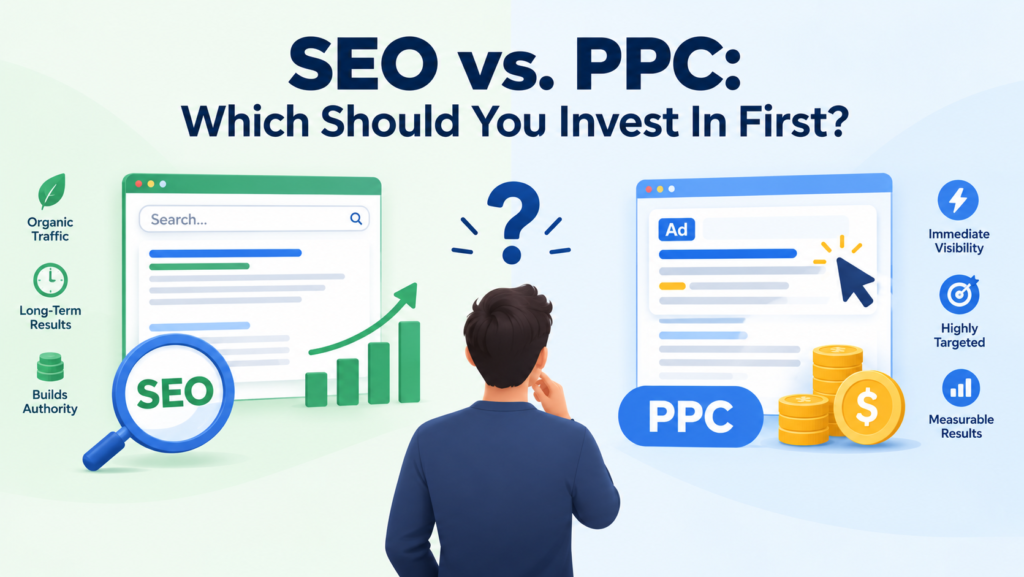
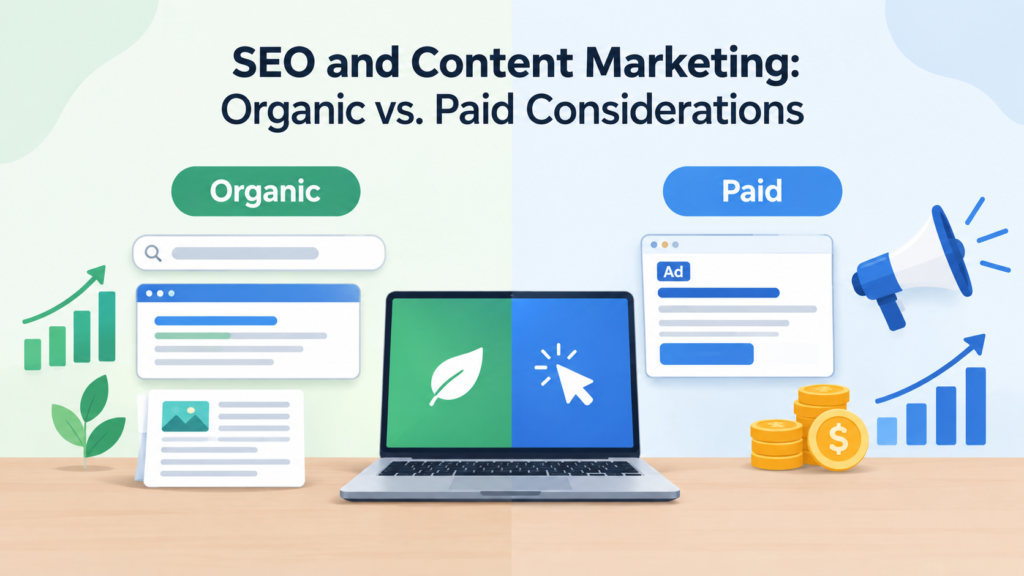
Knowing whether SEO is organic or paid helps you understand which channels to prioritize when measuring content performance. Organic traffic signals are often the most sustainable indicators of content quality.

Key Metrics Within Content Performance Data

Not all metrics are equal. The right ones depend on your goals. However, several categories apply broadly across most content types.

1. Engagement Metrics

Engagement metrics reveal how users interact with your content. They tell you whether people are actually reading, watching, or clicking – or bouncing away immediately.

Key engagement metrics include:


Turn AI Visibility Into Real Revenue.

Automate Leads With SurgeAIO. Don’t Let AI Ignore Your Brand.

Book A Demo →
  • Time on page: Are readers staying long enough to absorb your content?
  • Scroll depth: Are they reading all the way through, or dropping off halfway?
  • Bounce rate: Are visitors leaving without exploring other pages?
  • Social shares and comments: Are people finding the content valuable enough to spread?

High engagement signals that your content is relevant and well-crafted. Low engagement, however, suggests a mismatch between what users expect and what you deliver.

2. SEO and Organic Reach Metrics

These metrics measure how well your content attracts visitors through search engines. They are critical for any content team focused on long-term, sustainable traffic growth.

Important SEO-related content performance data includes:

  • Keyword rankings: Where does your content appear in search results for target terms?
  • Organic traffic volume: How many visitors arrive through search?
  • Click-through rate (CTR) from search results: Are your titles and meta descriptions compelling enough?
  • Backlinks earned: Do other sites reference your content as a trusted source?

Understanding what elements are foundational for SEO with AI can sharpen how you interpret these metrics in a modern search environment.

3. Conversion Metrics

Traffic without conversions has limited business value. Conversion metrics connect your content to actual outcomes.

These include:

  • Lead generation rate: How many readers fill out a form or request information?
  • Download rates: Are gated assets like eBooks being downloaded?
  • Sales and transactions: Is content directly influencing purchase decisions?
  • Email sign-ups: Are blog readers becoming newsletter subscribers?

Ultimately, high conversion rates indicate that your content aligns well with user intent – meaning you are reaching the right people with the right message at the right time.

4. Retention and Loyalty Metrics

New visitors are valuable. But returning visitors are gold. Retention metrics tell you whether your content builds a loyal audience over time.

These metrics include:

  • Return visitor rate: Are readers coming back for more?
  • Email open and click rates: Are subscribers engaging with follow-up content?
  • Churn rate for subscription-based content: Are subscribers staying or leaving?

Strong retention signals that your content delivers ongoing value – a major competitive advantage.

How to Set Up a Content Performance Data Framework

Collecting data without a framework leads to confusion. A structured approach ensures that your measurement efforts are purposeful and sustainable.

How to Set Up a Content Performance Data Framework

Step 1: Define Clear Goals

Before tracking anything, decide what success looks like. Are you trying to increase organic traffic? Generate more leads? Improve email engagement? Each goal requires a different set of metrics.

Align your content goals with broader business objectives. For example, if your goal is to generate home service leads, your content performance data should track both traffic and lead form submissions – not just page views.

Step 2: Choose the Right KPIs

Key Performance Indicators (KPIs) should directly reflect your goals. Avoid vanity metrics that look impressive but provide no actionable insight.

For example:

  • A blog focused on SEO should track keyword rankings and organic CTR.
  • A product page should track conversion rate and time on page.
  • A social media post should track reach, shares, and link clicks.

Step 3: Use the Right Analytics Tools

Reliable content performance data requires the right tools. Some essentials include:

  • Google Analytics: Tracks website traffic, user behaviour, and goal completions.
  • Google Search Console: Monitors keyword performance, impressions, and crawl health.
  • Heatmap tools (like Hotjar): Show scroll depth and click behaviour visually.
  • Email platforms: Track open rates, click rates, and unsubscribes.
  • SEO platforms: Monitor keyword rankings, backlinks, and on-page optimization.

In addition, using the best content optimization tools for SEO alongside your analytics stack gives you both performance insight and the ability to act on it quickly.

Step 4: Analyze and Report Regularly

Data collected but never reviewed provides zero value. Build a cadence of analysis:

  • Weekly: Monitor traffic spikes, drops, or unusual patterns.
  • Monthly: Review key KPIs across all content types.
  • Quarterly: Identify long-term trends and adjust strategy accordingly.

Reporting should match the audience. Executives need high-level business impact summaries. Content teams need detailed breakdowns by piece and channel.

Common Challenges in Measuring Content Performance Data

Even experienced teams run into obstacles. Recognizing these challenges helps you work around them proactively.

Data overload: Tracking too many metrics at once becomes overwhelming. Focus on the handful of KPIs that directly connect to your goals.


Turn AI Visibility Into Real Revenue.

Automate Leads With SurgeAIO. Don’t Let AI Ignore Your Brand.

Book A Demo →

Attribution complexity: Users rarely convert after touching one piece of content. They may read three blog posts, download a guide, and then request a demo. Multi-touch attribution models help account for this journey.

Siloed data: Website analytics, CRM data, and email metrics often live in separate systems. Integrating them into one dashboard creates a complete picture.

Short-term thinking: A single blog post rarely drives overnight results. Content performance data is most powerful when analyzed over months and quarters – not days.

Turning Content Performance Data Into Action

Collecting data is only half the job. Acting on it is what drives improvement.

Refresh Underperforming Content

If a page is ranking on page 2 or 3 but getting little traffic, it likely needs a refresh. Update the information, improve the headline, add relevant internal links, and strengthen the on-page SEO. Often, a refreshed post can climb significantly in rankings with minimal effort.

Repurpose Top-Performing Content

When a piece of content resonates strongly with your audience, extend its reach. Turn a high-traffic blog post into a video, an infographic, an email series, or a social media thread. This multiplies value without starting from scratch.

Double Down on What Works

If certain topics, content formats, or posting times consistently outperform others, create more of the same. Use your content performance data as a blueprint for future content planning.

Remove or Consolidate Dead Weight

Not all old content deserves to survive. Pages with no traffic, no backlinks, and no conversions can dilute your site’s overall authority. Consolidate similar thin pages or redirect them to stronger content.

Knowing how to outrank your competition in Google requires a clear strategy built on performance data, competitive insights, and ongoing optimization – all working together.

How SurgeAIO Can Help in Terms of SEO

Measuring and acting on content performance data is powerful – but it requires the right tools and strategy. This is where SurgeAIO steps in.

SurgeAIO provides an integrated platform designed to help businesses track, optimize, and improve their content performance across both traditional search and emerging AI-driven search environments. Here is how it helps:

  • SEO and GEO optimization: SurgeAIO helps you optimize content for both standard Google search and AI-generated answers – a growing area that many businesses overlook. Understanding SEO and GEO for your website is increasingly essential in 2025 and beyond.
  • AI visibility tracking: SurgeAIO monitors how your brand and content appear in AI platforms like ChatGPT, Google AI Overviews, and Perplexity – giving you performance data beyond traditional analytics.
  • Keyword strategy: The platform helps identify low-competition, high-opportunity keywords so your content reaches the right audience from day one.
  • Content audit support: SurgeAIO helps surface underperforming content so you can prioritize refreshes and updates strategically.
  • Competitive benchmarking: See how your content compares to competitors and identify gaps worth targeting.
  • Actionable reporting: SurgeAIO translates complex data into clear, actionable insights for both marketing teams and executives.

Turn AI Visibility Into Real Revenue.

Automate Leads With SurgeAIO. Don’t Let AI Ignore Your Brand.

Book A Demo →

In short, SurgeAIO removes the guesswork from content performance. It gives you the data, the context, and the direction to make every piece of content work harder for your business.

Final Thoughts

Content performance data is no longer optional – it is essential. Whether you are managing a small business blog or a large enterprise content operation, measurement gives you the power to make every piece of content count.

Start by defining clear goals. Choose the right KPIs. Build consistent reporting habits. Act on the insights you uncover. And use platforms like SurgeAIO to stay ahead of both traditional SEO and the evolving AI search landscape.

The businesses that invest in understanding their content performance data today are the ones that will dominate search – and capture audiences – tomorrow.

Frequently Asked Questions

What is content performance data? 

Content performance data is the collection of measurable signals – traffic, engagement, conversions, rankings – that show how well your content achieves its intended goals.

What are the most important content performance metrics? 

The most important metrics depend on your goals. However, organic traffic, time on page, conversion rate, keyword rankings, and bounce rate are strong starting points for most content teams.

How often should I review my content performance data? 

Review key metrics at least monthly. However, check for major anomalies weekly and conduct deep strategic reviews quarterly.

What tools help measure content performance? 

Google Analytics, Google Search Console, SEMrush, Ahrefs, Hotjar, and platforms like SurgeAIO all provide valuable content performance insights.

How does content performance data connect to SEO? 

SEO is a major driver of organic content performance. Keyword rankings, organic CTR, and backlinks are all SEO metrics that directly impact how many people find and engage with your content.

What should I do if my content is underperforming? 

Start by diagnosing the issue: Is it a traffic problem (weak SEO), an engagement problem (poor content quality), or a conversion problem (mismatched user intent)? Then refresh, restructure, or repurpose accordingly.

Can AI affect content performance data? 

Yes. As AI-driven search experiences like Google AI Overviews grow, content that appears in AI-generated answers gains significant visibility. Tracking AI visibility alongside traditional SEO is becoming increasingly important for modern content teams.

Best CMS for SEO and Content Optimization: The Complete 2026 Guide 

SEO CMS Guide

Your CMS is quietly making or breaking your SEO performance every single day. It controls how fast your pages load, how easily your team manages metadata, whether search engines can crawl your content efficiently, and how well your site scales as you grow.

Choosing the best CMS for SEO and content optimization isn’t just a technical decision – it’s a strategic one. The wrong platform adds friction at every step: developer bottlenecks for simple metadata updates, slow page loads that tank your Core Web Vitals, and content structures that AI search engines struggle to interpret.

This guide breaks down what separates a strong CMS from a weak one for SEO, covers the top platforms worth considering in 2026, and shows you how to match the right choice to your specific content goals.

Why Your CMS Directly Impacts SEO Performance

Most businesses treat their CMS as a content storage tool. However, the reality is that your CMS determines whether your SEO strategy succeeds or stalls at the technical level.

Consider what your CMS actually controls:

  • Whether updating a meta title takes 30 seconds or a developer ticket
  • How fast pages load globally, directly affecting Core Web Vitals scores
  • Whether structured data and schema markup can be implemented cleanly
  • How easily your team creates internal links and manages redirects
  • Whether your URL structure follows SEO best practices automatically

Turn AI Visibility Into Real Revenue.

Automate Leads With SurgeAIO. Don’t Let AI Ignore Your Brand.

Book A Demo →

In 2026, these factors carry even more weight. Google AI Overviews, Perplexity, and conversational search engines now factor in content structure, entity clarity, and page authority when selecting sources to cite. A CMS that makes content optimization effortless gives your team a compounding advantage over competitors still fighting platform limitations.

Understanding what elements are foundational for SEO with AI makes it clear why the technical layer your CMS provides is no longer optional – it’s the foundation everything else is built on.

Key SEO Features Every CMS Should Offer

Before comparing platforms, it helps to define the baseline. Here are the non-negotiable SEO capabilities that any CMS worth considering must deliver:

Customizable Metadata Fields: Every page should have dedicated, editable fields for title tags, meta descriptions, canonical URLs, and custom meta tags – accessible directly by marketers without developer involvement.

Clean URL Structures: The platform must allow fully customizable, SEO-friendly URL slugs. Platforms that append parameters or force rigid URL patterns hurt crawlability and link equity.

XML Sitemap Generation: Automatic sitemap creation and updates whenever content changes are essential. Manual sitemaps are error-prone and slow to reflect new content.

Redirect Management: Built-in 301 and 302 redirect management – especially for bulk imports during migrations – saves countless hours and protects organic rankings. This is especially critical if you’re planning SEO for a site migration.

Performance and Core Web Vitals Support: The CMS architecture should support fast page load times, image optimization, CDN integration, and clean code output. Page speed is a confirmed ranking factor, and your CMS determines whether you can consistently hit Google’s thresholds.

Mobile Responsiveness: Google uses mobile-first indexing. Your CMS must deliver fully responsive designs with fast mobile load times without requiring duplicate pages.

Structured Data and Schema Support: The ability to implement JSON-LD schema markup cleanly – for articles, products, FAQs, and local business data – improves how search engines interpret and surface your content.

Content Workflow Efficiency: Internal linking tools, content reuse, analytics integrations, and smooth publishing workflows all reduce friction and help teams produce optimized content at scale.

The Best CMS Platforms for SEO and Content Optimization in 2026

Best CMS Platforms for SEO and Content Optimization

1. WordPress – Best Overall for SEO Control and Ecosystem Depth

WordPress dominates organic search. An analysis of 59,033 top-ranking domains found that nearly 50% of the highest-ranking websites run on WordPress – a 175% increase from 2016. That adoption isn’t accidental.

WordPress gives SEO professionals unmatched control. Combined with plugins like Yoast SEO or Rank Math, it covers every optimization layer: metadata, canonical tags, schema markup, XML sitemaps, breadcrumbs, and internal link suggestions.

Key SEO strengths:

  • Massive plugin ecosystem covering every SEO use case
  • Full control over URL structures, redirects, and metadata
  • Deep integration with Google Search Console and Analytics
  • Active community with constant updates and security patches
  • Flexible enough for blogs, eCommerce, and enterprise content

Limitations: Plugin overload can slow site performance significantly. Security requires ongoing maintenance. For highly complex, multi-channel content strategies, it can feel monolithic.

Best for: Businesses of all sizes that want maximum SEO control, editorial flexibility, and an established, proven platform. It’s also worth exploring whether WordPress or Squarespace is better for SEO if you’re weighing simpler alternatives.

2. Webflow – Best for Design-Forward Sites with Clean SEO Output

Webflow has grown from 0.06% of top-ranking domains in 2016 to over 1.5% today – a 2,548% increase. It earns that growth by combining visual, no-code design with clean, semantically structured code output that search engines love.

Webflow generates lean HTML, supports custom metadata at the page level, auto-generates sitemaps, and offers built-in 301 redirect management. Designers can build pages that look exceptional without compromising technical SEO.

Key SEO strengths:

  • Clean, semantic code output with no bloated plugin dependencies
  • Full control over metadata, Open Graph tags, and canonical URLs
  • Automatic XML sitemap generation
  • Built-in image optimization and lazy loading
  • Fast hosting through Webflow’s global CDN

Turn AI Visibility Into Real Revenue.

Automate Leads With SurgeAIO. Don’t Let AI Ignore Your Brand.

Book A Demo →

Limitations: Content management for large editorial teams can be cumbersome. The CMS content limits on lower plans become restrictive at scale.

Best for: Marketing teams, agencies, and growth-stage businesses that want design flexibility without sacrificing technical SEO fundamentals.

3. Headless CMS (Contentful, Agility CMS, Hygraph) – Best for Enterprise and Multi-Channel Content

Headless CMS platforms decouple the backend content repository from the frontend presentation layer. This architecture unlocks several major SEO advantages: teams can use modern, high-performance frontend frameworks, deliver content across multiple channels from a single source, and hit consistently fast Core Web Vitals scores by serving content from global CDN edge locations.

Platforms like Agility CMS offer built-in SEO metadata fields on every page, direct redirect management, and multi-site support. Hygraph adds GraphQL-native APIs, content federation, and advanced SEO data modelling. Contentful suits developer-first teams building complex, structured content at enterprise scale.

Key SEO strengths:

  • Global CDN delivery typically outperforms traditional monolithic systems on page speed
  • API-first architecture enables fast initial load times and better Core Web Vitals
  • Full control over structured data output at the content model level
  • Supports omnichannel content delivery – web, app, voice, and AI search surfaces
  • Multi-brand and localization support for global SEO strategies

Limitations: Initial setup requires developer involvement. Not practical for small teams without technical resources. SEO configuration must be built rather than installed via a plugin.

Best for: Enterprises and scaling businesses with developer resources that need maximum performance, multi-channel delivery, and precise control over structured content. This approach aligns closely with modern AI SEO strategies, where content structure and entity clarity are increasingly important ranking signals.

4. HubSpot CMS – Best for Lead Generation and Marketing Automation Integration

HubSpot CMS blends content management with native CRM, marketing automation, and analytics. For teams running inbound marketing strategies, the integration eliminates the gap between content performance and lead attribution.

The platform offers real-time on-page SEO suggestions, automatic XML sitemap generation, built-in analytics dashboards, and native topic cluster tools on paid plans.

Key SEO strengths:

  • AI-powered on-page SEO suggestions covering speed, meta, and mobile optimization
  • Automatic sitemaps and clean URL management
  • Native analytics connecting organic traffic to lead and revenue data
  • Built-in topic cluster and content strategy tools (paid plans)

Limitations: The free tier’s SEO tools are limited. Advanced features require paid plans. Design flexibility is more restricted compared to Webflow or WordPress.

Best for: B2B businesses and SaaS companies that want to connect content SEO directly to pipeline and revenue – particularly relevant if you rely on SEO for home service leads or B2B lead generation where attribution clarity matters.

5. Shopify – Best for eCommerce SEO

Shopify powers over 4 million online stores and has steadily grown its share of top-ranking domains. For eCommerce businesses, it handles many SEO fundamentals automatically: canonical tags for product variants, structured data for product rich snippets, automatic redirects for deleted products, and clean URL structures.

Key SEO strengths:

  • Automatic canonical tags prevent duplicate content on product variant pages
  • JSON-LD structured data for product rich snippets
  • Built-in redirect management for out-of-stock or deleted products
  • Mobile-first, fast-loading themes
  • App ecosystem covering advanced SEO needs

Limitations: URL structure customization is limited (the /collections/ and /products/ prefixes cannot be removed). Blog functionality is basic compared to WordPress. Advanced SEO requires third-party apps.

Best for: eCommerce businesses that want reliable SEO fundamentals without extensive configuration. Understanding whether Shopify is good for SEO in depth can help you decide if it fits your specific product catalogue and content strategy.

6. Next.js – Best for Developer Teams Building SEO-Optimised Custom Experiences

Next.js emerged from near-zero presence in 2016 to claim 2.43% of top-ranking domains – matching Drupal. It’s a React-based framework that gives developer teams complete control over rendering strategies, performance optimization, and content delivery.

Key SEO strengths:

  • Server-side rendering (SSR) and static site generation (SSG) options for optimal indexability
  • Outstanding Core Web Vitals performance through optimized builds
  • Full control over metadata, structured data, and URL architecture
  • Used by major brands including Netflix, Airbnb, and TikTok

Turn AI Visibility Into Real Revenue.

Automate Leads With SurgeAIO. Don’t Let AI Ignore Your Brand.

Book A Demo →

Limitations: Not a content management system in the traditional sense – it requires a headless CMS or custom backend. Entirely developer-dependent with no out-of-the-box editorial interface.

Best for: Technical teams building custom web applications where performance and SEO control are the primary requirements.

CMS SEO Feature Comparison

CMSMetadata ControlSpeed/CDNRedirectsSchema SupportEase of UseBest Suited For
WordPress✅ Full (via plugins)⚠️ Varies by host✅ Plugin-based✅ Full✅ HighAll business types
Webflow✅ Full✅ Built-in CDN✅ Built-in✅ Full✅ HighDesign-first teams
Agility / Hygraph✅ Full✅ Global CDN✅ Built-in✅ Developer-configured⚠️ Technical setupEnterprise / multi-channel
HubSpot CMS✅ Moderate✅ Good✅ Built-in⚠️ Limited✅ HighB2B / lead generation
Shopify⚠️ Limited✅ Fast✅ Automatic✅ Product schema✅ HigheCommerce
Next.js✅ Full✅ Great✅ Custom✅ Full❌ Developer onlyCustom builds

How to Choose the Right CMS for Your SEO Goals

Not every platform suits every business. Use this decision framework:

Choose the Right CMS for Your SEO Goals

  • You’re a content-heavy publisher or blog → WordPress with Yoast or Rank Math is the proven choice
  • You prioritize design + clean SEO output → Webflow delivers both without plugin dependency
  • You’re an enterprise with multi-channel needs → Headless CMS (Agility, Hygraph, Contentful) provides the architecture
  • You need content SEO tied to lead attribution → HubSpot CMS connects content performance to pipeline
  • You run an online store → Shopify handles eCommerce SEO fundamentals automatically
  • You have a full developer team and custom requirements → Next.js with a headless CMS backend

Moreover, regardless of which platform you choose, your CMS is only part of the equation. Creating content for local landing pages effectively, building topical authority clusters, and aligning every page with clear search intent all depend on how your team uses the platform – not just what platform you pick.

How SurgeAIO Can Help in Terms of SEO

Choosing the right CMS gives you the foundation. However, turning that foundation into consistent organic growth requires ongoing optimization, performance tracking, and content intelligence – and that’s precisely where SurgeAIO adds measurable value.

SurgeAIO works as an intelligent optimization layer on top of your CMS, regardless of which platform you’ve chosen. Here’s how it directly supports your content and SEO performance:

Technical SEO Auditing: SurgeAIO continuously monitors your site for crawlability issues, broken schema, slow page elements, and metadata gaps – the exact signals your CMS either enables or limits. Issues get surfaced and prioritized before they suppress rankings.


Turn AI Visibility Into Real Revenue.

Automate Leads With SurgeAIO. Don’t Let AI Ignore Your Brand.

Book A Demo →

AI Visibility Tracking: Beyond traditional Google rankings, SurgeAIO tracks how your content appears in Google AI Overviews, ChatGPT, Perplexity, and Microsoft Copilot. This is the organic visibility layer that most CMS platforms don’t measure – but increasingly drives brand discovery. Staying ahead of AI visibility optimization techniques is what separates forward-thinking content strategies from outdated ones.

Content Gap Analysis: SurgeAIO identifies the topics and keywords your competitors rank for that your CMS-managed content doesn’t cover. These gaps become your content roadmap for measurable organic growth.

Keyword and Topical Mapping: SurgeAIO aligns your content strategy across both traditional SERP rankings and AI-generated answer surfaces – ensuring the content you publish through your CMS gets found across all modern search channels.

Competitive Intelligence: See exactly which content formats, page structures, and topics drive organic traffic for your competitors – so your editorial team publishes with data-driven confidence, not guesswork.

In short, the best CMS for SEO and content optimization gets you on the right technical foundation. SurgeAIO ensures that the foundation produces compounding organic results that are tracked, measured, and continuously improved.

Final Thoughts

The best CMS for SEO and content optimization in 2026 depends on your team’s technical resources, content complexity, and growth goals. WordPress leads by adoption and ecosystem depth. Webflow excels for design-first teams. Headless platforms deliver enterprise-grade performance. HubSpot connects content to revenue. Shopify handles eCommerce fundamentals. Next.js gives developers full control.

What unites all strong choices is this: a platform that lets your team control SEO elements directly, delivers fast pages globally, and scales with your content ambitions without creating technical debt.

Choose your CMS thoughtfully – then invest in the optimization layer that turns good technical foundations into lasting organic growth.

Frequently Asked Questions

What is the best CMS for SEO in 2026? 

WordPress remains the most widely used CMS among top-ranking domains, accounting for nearly 50% of the highest-performing sites. However, the best CMS depends on your needs. Webflow suits design-first teams, headless platforms serve enterprise use cases, and Shopify handles eCommerce SEO automatically.

Does my CMS really affect SEO rankings? 

Yes, directly. Your CMS controls page speed, metadata management, URL structures, schema markup, redirect handling, and crawlability – all of which are confirmed ranking signals. A poor CMS creates friction at every SEO touchpoint; a strong one makes optimization fast and scalable.

Is a headless CMS better for SEO than WordPress? 

Not universally. Headless CMS platforms offer superior performance and multi-channel flexibility, but require developer involvement for SEO configuration. WordPress offers a richer out-of-the-box SEO ecosystem via plugins. Headless CMSs are better for enterprise teams; WordPress is better for most other use cases.

Can I improve my SEO without changing my CMS? 

Yes. Many SEO improvements – content optimization, internal linking, metadata updates, and structured data – can be made within your existing CMS. However, if your platform creates persistent technical barriers like slow load times or limited metadata control, migrating to a better platform may be necessary.

Is Shopify good for SEO? 

Shopify handles core eCommerce SEO well – canonical tags, product schema, redirects, and mobile performance are all managed automatically. Its limitations include restricted URL customization and basic blogging functionality. For purely content-driven SEO, WordPress or Webflow are stronger.

What is the easiest CMS to use for SEO without a developer? 

WordPress with a plugin like Yoast SEO or Rank Math offers the most accessible SEO management for non-technical users. Webflow and HubSpot CMS also provide strong no-developer SEO workflows. Headless platforms and Next.js require developer involvement for SEO setup.

How important is page speed when choosing a CMS? 

Extremely important. Page speed directly impacts Core Web Vitals, which are a confirmed Google ranking factor. Headless CMSs with global CDN delivery typically outperform traditional monolithic systems. Webflow and Shopify also deliver strong performance out of the box.

Does the CMS I use affect how I appear in AI-generated search answers? 

Yes. Content structure, entity clarity, schema markup, and page performance all influence how AI search engines like Google AI Overviews and Perplexity select and cite content. CMSs that support clean, structured data output and fast delivery give your content a stronger chance of being cited in AI-generated answers.

Can You Connect WordPress as a Framer Custom Domain?

Framer Domain Setup

Framer is gaining serious traction among designers, developers, and entrepreneurs. Its clean UI, fast hosting, and zero-plugin setup make it an attractive alternative to traditional platforms. However, many website owners already have a domain registered through WordPress and don’t want to lose it.

So the big question arises: 

Can you connect WordPress as a Framer custom domain?

The short answer is yes – and it’s easier than most people think. In this guide, you’ll learn exactly how to do it, what options are available, what to watch out for, and how to keep your SEO value intact throughout the process. If you’ve ever wondered whether WordPress or Squarespace is better for SEO, understanding how platforms interact with domains will give you a much clearer picture.

What Does “Connecting WordPress as a Framer Custom Domain” Actually Mean?

Before you dive in, it’s important to understand what this setup really involves. You’re not merging two platforms or installing one inside the other. Instead, you’re using your WordPress-registered domain as the public-facing address for your Framer-built website.

In simple terms, your domain stays registered with WordPress. Your website, however, is built and hosted entirely on Framer. You update your DNS records to point traffic from your WordPress domain to Framer’s servers. Visitors type your domain and land on your Framer site – seamlessly.


Turn AI Visibility Into Real Revenue.

Automate Leads With SurgeAIO. Don’t Let AI Ignore Your Brand.

Book A Demo →

Think of it like keeping your home address while renovating the entire house. The address stays the same; everything inside changes.

This setup is popular among:

  • Designers moving from WordPress to a no-code visual platform
  • Startups launching a fast, modern landing page
  • Businesses that want Framer’s design quality but already own a WordPress domain
  • Agencies running a hybrid setup for clients

Can You Really Connect a WordPress Domain to Framer?

Yes, absolutely. Framer supports custom domains on paid plans. All you need is access to your WordPress domain’s DNS settings. You don’t need to transfer the domain, cancel any subscriptions, or delete your existing WordPress site.

Can You Really Connect a WordPress Domain to Framer

The process works through DNS records – specifically, an A record and a CNAME record. WordPress’s domain manager lets you edit these directly. Once updated, your domain points to Framer’s servers. DNS propagation then distributes this change globally, typically within 24-48 hours.

This method is clean, reversible, and beginner-friendly. However, there are a few nuances worth knowing before you start.

Three Ways to Connect WordPress to Framer

There’s no single “right” method. The best approach depends on your goals. Here are the three most common options:

Option 1: Point Your Main Domain to Framer (Full Replacement)

This is the most straightforward method. You completely replace your WordPress site with your Framer project. Your main domain (e.g., yourbusiness.com) will now show your Framer site.

To do this, you remove old hosting DNS records and add Framer’s records. This works perfectly if you’re ready to leave WordPress behind entirely or you’ve already migrated all your content.

Steps to follow:

  1. Log in to your WordPress domain dashboard and go to DNS settings
  2. Delete any existing A records or CNAME records tied to your old host
  3. Add Framer’s A record: @ → 76.76.21.21
  4. Add Framer’s CNAME: www → cname.vercel-dns.com
  5. Save all changes
  6. Open your Framer project → Settings → Domains → Add Domain
  7. Enter your domain and click “Check Configuration”
  8. Wait for DNS propagation (up to 48 hours)
  9. Publish your Framer site once verified

This method is best for full migrations. Moreover, it gives you Framer’s full performance benefits – fast load times, Vercel’s global CDN, and built-in SSL.

Option 2: Use a Subdomain for Framer (Hybrid Approach)

This is the most recommended approach for users who still want to keep their WordPress site active. You assign a subdomain – like landing.yourdomain.com or store.yourdomain.com – to your Framer project while the root domain continues to serve your WordPress content.

Steps to follow:

  1. Log in to your WordPress DNS dashboard
  2. Create a new CNAME record with your chosen subdomain prefix (e.g., “launch”)
  3. Set the value to: sites.framer.app
  4. Save the record
  5. In Framer, go to Settings → Domains → Add Domain
  6. Enter the full subdomain (e.g., launch.yourdomain.com)
  7. Publish once Framer confirms the connection

This setup is ideal for businesses running a blog on WordPress while promoting a campaign page, product landing page, or portfolio through Framer. Understanding SEO for a site migration is especially helpful here, since subdomain setups require careful planning to avoid cannibalizing SEO.

Option 3: Reverse Proxy (Advanced Setup)

For users who want Framer to appear on the root domain without changing DNS, a reverse proxy is another route. This setup requires server-level access – typically NGINX or Apache configuration – and acts as a middleman between your domain and Framer.

However, this method is complex. It carries a higher risk of breaking existing functionality, affecting SEO, and creating maintenance headaches. It’s generally not recommended unless you have strong technical knowledge or a developer on your team.

For most users, Options 1 or 2 are far more practical and reliable.

What You Need Before You Start

Before touching any settings, make sure you have the following ready:

  • Access to your WordPress domain dashboard – specifically the DNS or Nameserver settings
  • A paid Framer plan – custom domains require at least the Mini or Basic plan
  • A published or nearly finished Framer project – have the design ready to go live
  • DNS propagation patience – changes can take anywhere from a few minutes to 48 hours

Turn AI Visibility Into Real Revenue.

Automate Leads With SurgeAIO. Don’t Let AI Ignore Your Brand.

Book A Demo →

If you’re unsure about your current SEO standing before making this switch, it helps to understand what elements are foundational for SEO with AI so you can protect your rankings throughout the transition.

Key DNS Records You’ll Need

Framer uses Vercel’s infrastructure for hosting. The DNS records you need are straightforward:

Record TypeHostValue
A Record@76.76.21.21
CNAMEwwwcname.vercel-dns.com

For subdomains, you only need the CNAME pointing to sites.framer.app. These records are the same regardless of where your domain is registered – WordPress, Namecheap, GoDaddy, or elsewhere.

Does This Setup Affect Your SEO?

This is one of the most important questions to address. The answer depends entirely on how you handle the switch.

Does This Setup Affect Your SEO

If you replace your entire WordPress site with Framer without setting up proper redirects, you risk losing your existing SEO value. Page authority, backlinks, and indexed URLs don’t carry over automatically. Therefore, proper planning is critical.

Here’s how to protect your SEO:

  • Set up 301 redirects from old URLs to their Framer equivalents
  • Maintain the same URL structure as much as possible
  • Submit your updated sitemap to Google Search Console
  • Keep your page titles, meta descriptions, and heading hierarchy consistent
  • Ensure Framer’s SEO settings are correctly filled out before publishing

Framer does support meta tags, canonical URLs, Open Graph data, and sitemap generation. However, it doesn’t match WordPress’s plugin ecosystem for SEO granularity. If advanced SEO control is essential to your strategy, the hybrid subdomain approach is a smarter choice.

Understanding what SEO and GEO can help you think about domain strategy more holistically – especially as AI-driven search becomes a larger factor in visibility.

WordPress vs. Framer: Platform Comparison

FeatureWordPress (Self-Hosted)Framer
HostingThird-party server requiredBuilt-in, global CDN
Design FlexibilityTheme-dependentFull visual control
PluginsThousands availableNone needed
Page Load SpeedVaries (2–3s avg)Fast (0.8–1.2s avg)
SEO ControlAdvanced (Yoast, RankMath)Basic to moderate
Custom CodeSupportedSupported
Domain ManagementSupportedSupported via DNS
MaintenanceRegular updates neededMinimal
Best ForBlogs, eCommerce, complex sitesPortfolios, landing pages

When Should You Use This Setup?

Connecting your WordPress domain to Framer makes the most sense in these situations:

  • You’re rebuilding your website in Framer and want to keep your existing domain
  • You’re launching a campaign page or product landing page on a subdomain
  • Your WordPress site is slow or bloated, and you want better performance
  • You want a plugin-free, low-maintenance website without changing your domain
  • You’re testing Framer before fully committing to a migration

Turn AI Visibility Into Real Revenue.

Automate Leads With SurgeAIO. Don’t Let AI Ignore Your Brand.

Book A Demo →

Conversely, avoid replacing your WordPress site with Framer if you rely heavily on dynamic content, complex eCommerce functionality, or advanced plugins that Framer can’t replicate.

When to Avoid This Setup

Not every scenario suits this approach. Be cautious if:

  • Your WordPress blog is your primary traffic source – losing posts or redirects incorrectly can devastate rankings
  • You use WooCommerce or membership plugins – Framer cannot replicate this functionality
  • Your email is hosted through WordPress – updating DNS incorrectly can break your email delivery
  • Your backend runs on WordPress APIs – those won’t work on a Framer-hosted site

In these cases, the hybrid subdomain method is much safer. It lets you explore Framer without risking your core operations.

Troubleshooting Common Issues

Sometimes things don’t go smoothly. Here are common problems and how to fix them:

Domain not verifying in Framer:

  • Double-check that you entered the DNS values exactly as Framer provided
  • Make sure old conflicting records have been removed
  • Try clearing your DNS cache or using a propagation checker tool

Site loading old WordPress content:

  • DNS hasn’t fully propagated yet – wait a few more hours
  • Your ISP may be caching the old records

SSL certificate not activating:

  • Framer handles SSL automatically, but it may take 10–30 minutes after DNS resolves
  • Do not add your own SSL records – let Framer manage this

Email stopped working:

  • If your email used an MX record tied to your old DNS setup, you may need to re-add those MX records in WordPress after making the Framer changes

How SurgeAIO Can Help in Terms of SEO

Switching platforms or rerouting domain traffic isn’t just a technical task – it’s an SEO event. Every DNS change, URL structure shift, and platform migration affects how search engines index and rank your site.

SurgeAIO helps you navigate this complexity with clarity. Whether you’re running a full domain switch from WordPress to Framer or managing a hybrid subdomain setup, SurgeAIO’s tools give you the visibility to track your rankings before, during, and after the transition.

Its AI-driven analysis identifies pages at risk of losing authority, flags missing redirects, and benchmarks your technical SEO health on both platforms. You also get actionable insights into whether you need to hire an SEO company for your migration or whether a self-guided approach is sufficient based on your site’s complexity.

Additionally, SurgeAIO helps you monitor how your site performs in AI-powered search results – a growing factor in modern SEO. As platforms like Framer gain adoption, understanding your visibility across both traditional and AI search channels becomes increasingly important. Tools like SurgeAIO make that process measurable, not guesswork.

In short, SurgeAIO turns a risky platform transition into a controlled, data-backed process. Your rankings don’t have to suffer just because your design is evolving.

Final Thoughts

Connecting WordPress as a Framer custom domain is entirely possible, practical, and increasingly common. The process is straightforward – update your DNS records, verify in Framer, and let propagation do the rest. Whether you’re doing a full domain switch or running a hybrid setup with subdomains, the technical steps are within reach for most website owners.

The key is planning. Protect your SEO by setting up proper redirects, maintaining consistent URLs, and monitoring your rankings throughout the transition. Use the right method for your goals, and don’t rush the DNS changes – patience with propagation prevents most problems.

If you’re serious about maintaining visibility while making the switch, tools like SurgeAIO give you the edge to move fast without losing ground.

Frequently Asked Questions

Can I connect a WordPress.com domain to Framer? 

Yes. As long as you have access to the DNS settings for your domain – even if it’s registered through WordPress.com – you can update the A and CNAME records to point to Framer’s servers.

Do I need to cancel my WordPress hosting to use Framer? 

No. If you’re using the subdomain method, both platforms can coexist. If you’re doing a full replacement, you can keep your WordPress subscription active until you’re confident the Framer site is fully live.

Will I lose my Google rankings when switching to Framer? 

You might see a temporary fluctuation, but with proper 301 redirects and consistent URL structure, most of your rankings can be preserved. Using an SEO tool before and after the migration is highly recommended.

How long does DNS propagation take? 

Typically between a few hours and 48 hours. Most users see the changes active within 4–12 hours.

Can I use Framer for my blog and keep WordPress for other pages? 

Not directly on the same domain without a reverse proxy. However, you can run WordPress at yourdomain.com/blog and Framer at a subdomain like design.yourdomain.com by configuring DNS records appropriately.

Does Framer support SSL with a custom domain? 

Yes. Framer automatically provisions an SSL certificate for every connected custom domain. You don’t need to configure this manually.

Is Framer better for SEO than WordPress? 

WordPress offers more granular SEO control through plugins like Yoast and RankMath. Framer covers the basics well – meta tags, canonical URLs, sitemaps – but it’s not a replacement for WordPress when advanced SEO management is critical to your strategy.

What happens to my existing WordPress content after the switch? 

If you point your main domain to Framer, visitors will see your Framer site. Your WordPress content still exists on the server, but won’t be publicly visible unless you set up redirects or maintain a subdomain for it.

Best SEO Services for Organic Traffic Growth 2026: A Complete Buyer’s Guide

SEO Growth Services

Organic traffic remains one of the highest-ROI channels in digital marketing. Unlike paid ads that stop the moment your budget runs out, organic search traffic compounds over time – building authority, trust, and consistent lead flow that keeps delivering value for years.

However, achieving that growth in 2026 is a fundamentally different challenge than it was even two years ago. Google AI Overviews now appear in over 13% of all U.S. searches. Zero-click results have climbed to 69%. AI-generated answers are replacing traditional blue links for millions of queries. Meanwhile, competition for every meaningful keyword has intensified across almost every industry.

In this environment, the best SEO services for organic traffic growth in 2026 don’t just build links and write blog posts. They combine technical SEO, AI-optimised content, authority building, and conversion strategy into a unified, results-driven approach.

This guide breaks down exactly what to look for, which services and agencies lead the market, and how to choose the right partner for your specific business goals.

Why Organic Traffic Growth Requires a More Sophisticated SEO Strategy in 2026

The rules of organic growth have changed. Traditional SEO – stuffing pages with keywords, building bulk backlinks, and waiting for rankings to climb – no longer produces sustainable results. Google’s algorithm updates, the rise of AI-generated answers, and shifting user behaviour have all raised the bar significantly.

Here’s what’s driving that shift:

  • AI Overviews and zero-click searches reduce click-through rates by 34–46% on many high-volume informational queries
  • E-E-A-T (Experience, Expertise, Authoritativeness, Trustworthiness) signals now weigh heavily in how Google assesses content quality
  • AI-driven content saturation means low-quality, generic articles no longer rank – originality and depth are non-negotiable
  • User intent alignment is now a core ranking factor – pages that answer questions precisely outrank those that just include the right keywords
  • Technical performance – Core Web Vitals, mobile-first indexing, and crawlability – directly affects both traditional and AI search visibility

Turn AI Visibility Into Real Revenue.

Automate Leads With SurgeAIO. Don’t Let AI Ignore Your Brand.

Book A Demo →

Moreover, organic traffic growth in 2026 increasingly depends on appearing not just in Google’s blue links, but in AI-generated answers, featured snippets, People Also Ask boxes, and structured knowledge panels. The best SEO services address all of these surfaces simultaneously.

Understanding what SEO lead generation actually means for your business helps clarify why organic traffic growth is ultimately about qualified visitors – not raw numbers – and why that distinction shapes everything about how the best SEO services operate.

What are the Best SEO Services for Organic Traffic Growth

Before comparing specific agencies and service providers, it helps to define what a complete, results-driven SEO service looks like in 2026. The strongest providers deliver across five core pillars:

Best SEO Services for Organic Traffic Growth

1. Technical SEO Foundation: Site audits, Core Web Vitals optimization, crawlability improvements, structured data implementation, and mobile performance. Without a clean technical foundation, even the best content struggles to rank.

2. On-Page and Content SEO: Keyword research aligned with search intent, semantic content optimization, topical authority building, and content cluster development. This is where most organic traffic growth originates.

3. Link Building and Digital PR: Earning high-quality backlinks from authoritative sources through content-driven outreach, digital PR campaigns, and strategic partnerships. Authority remains a critical ranking signal.

4. AI Search Optimization: Optimizing content structure, entity clarity, FAQ sections, and schema markup to appear in AI-generated answers, Google AI Overviews, and conversational AI engines like ChatGPT and Perplexity. Understanding how to rank in AI Overviews is now a non-negotiable skill for any competitive SEO strategy.

5. Conversion and Traffic Analysis: Tracking which organic traffic converts, identifying high-value keyword opportunities, and continuously refining strategy based on performance data.

The future of SEO points clearly toward services that integrate all five pillars – because organic traffic growth without conversion optimization simply doesn’t move the business needle.

The Best SEO Services and Agencies for Organic Traffic Growth in 2026

1. SurgeAIO – Best for AI-Powered SEO and Organic Visibility Growth

SurgeAIO is an AI-driven SEO platform built for businesses that want to grow organic traffic not just in traditional search, but across AI-generated answers and conversational search engines. In 2026, that distinction matters enormously.

Rather than operating as a traditional agency, SurgeAIO functions as an intelligent layer on top of your SEO strategy – combining automated auditing, AI visibility tracking, content optimization, and competitive intelligence into a single platform.

How SurgeAIO drives organic traffic growth:

  • Continuous technical SEO monitoring catches ranking-killing issues before they compound
  • AI visibility tracking shows how your brand appears in Google AI Overviews, ChatGPT, Perplexity, and Copilot – the new frontier of organic discovery
  • Content optimization recommendations aligned with how AI models and search engines select content to cite and rank
  • Keyword and topical gap analysis identifies organic traffic opportunities that your current strategy is missing
  • Competitor benchmarking reveals exactly where rivals earn organic traffic you’re not capturing

Best for: Businesses that want to grow organic traffic across both traditional search and AI-generated answers, with data-driven execution and clear ROI tracking.

2. WebFX – Best Full-Service SEO for Mid-Market and Enterprise

WebFX is one of the most consistently reviewed SEO agencies on Clutch, with over 440 verified client reviews and a 4.9 average rating. They deliver comprehensive SEO services including technical audits, keyword strategy, on-page optimization, PPC, and content marketing – all under one roof.

Why businesses choose WebFX:

  • Deep SEO expertise across technical, on-page, and off-page disciplines
  • Strong track record of increasing organic traffic for complex, multi-page websites
  • Proprietary reporting tools that give clients clear visibility into campaign performance
  • Handles both local SEO and enterprise-level national campaigns

Best for: Mid-market businesses and enterprises seeking a reliable, data-driven SEO partner with proven results across multiple industries.

Minimum project size: $1,000+ | Hourly rate: Undisclosed


Turn AI Visibility Into Real Revenue.

Automate Leads With SurgeAIO. Don’t Let AI Ignore Your Brand.

Book A Demo →

3. Fractl – Best for Content-Driven Organic Growth and Link Earning

Fractl is a data-driven content and SEO agency with over a decade of experience executing organic growth strategies. Their strength lies in combining high-quality content creation with high-impact link earning – a combination that builds lasting domain authority while driving targeted organic traffic.

Key strengths:

  • Data journalism and original research that earns editorial links from top-tier media
  • Strong E-E-A-T optimization across content and digital PR campaigns
  • Deep expertise across finance, healthcare, education, legal, and eCommerce verticals
  • Full-service team covering content strategy, technical SEO, and outreach

Best for: Brands that want to build long-term domain authority and organic visibility through content marketing and earned media rather than just technical fixes.

Minimum project size: $5,000 | Hourly rate: $100–$149

4. Siege Media – Best for eCommerce and B2C Organic Traffic

Siege Media specializes in content marketing and SEO for hospitality, e-commerce, and consumer-facing businesses. They focus on building content that earns links naturally and drives sustained organic traffic growth through topical authority.

Why they stand out:

  • Proven model for creating content that simultaneously ranks in search and earns backlinks
  • Strong focus on onsite optimization and content structure
  • Clear process for content development, link earning, and performance tracking
  • Particularly effective for competitive B2C keyword landscapes

Best for: eCommerce businesses and B2C brands looking to scale organic traffic through content that earns both rankings and editorial links.

Minimum project size: $5,000 | Hourly rate: $100–$149

5. Grow and Convert – Best for B2B and SaaS Organic Lead Generation

Grow and Convert focuses specifically on SEO strategies designed to drive leads – not just traffic. Their content marketing approach prioritizes bottom-of-funnel keywords that attract buyers, not browsers, making them an ideal fit for B2B and SaaS companies where lead quality matters more than traffic volume.

Key capabilities:

  • Bottom-of-funnel keyword strategy that targets buyers at every stage of the decision journey
  • Content development focused on conversion, not just rankings
  • Strong performance tracking connecting organic traffic directly to the pipeline
  • Deep experience in advertising, legal, and SaaS verticals

Best for: B2B companies and SaaS businesses that need organic traffic to translate into qualified pipeline and revenue – not just pageviews.

Minimum project size: $10,000 | Hourly rate: Undisclosed

6. Page One Power – Best for Link Building-Focused Organic Growth

Page One Power specializes in link building and SEO with a particular emphasis on earning high-quality, relevant backlinks that move domain authority and rankings. Their model suits businesses that have solid on-page SEO in place but need authoritative external links to break through competitive rankings.

Why they’re effective:

  • Strong track record of link building for competitive industries
  • Transparent process with clear reporting on link quality and placements
  • Works across advertising, hospitality, IT, and education sectors
  • Complements in-house SEO teams without duplicating on-page work

Best for: Businesses with strong technical and content SEO foundations that need dedicated link-building expertise to accelerate organic growth.

Minimum project size: $1,000 | Hourly rate: Undisclosed

How to Choose the Right SEO Service for Your Organic Traffic Goals

With so many providers available, choosing the right partner requires matching their strengths to your specific growth stage and goals. Use this framework:

Choose the Right SEO Service for Your Organic Traffic Goals

Step 1: Define your primary organic growth goal

  • Raw traffic volume → Content SEO + technical foundation
  • Lead quality over volume → Bottom-of-funnel keyword strategy (Grow and Convert model)
  • Domain authority building → Link earning and digital PR (Fractl, Siege Media model)
  • AI search visibility → AI optimization layer (SurgeAIO)

Step 2: Assess your current SEO foundation

  • If your technical SEO is weak, fix that first before investing in content or links
  • If your content exists but isn’t ranking, keyword intent alignment and on-page optimization are the priority
  • If you rank, but traffic doesn’t convert, the bottom-of-funnel strategy needs attention

Step 3: Evaluate agency fit

  • Check verified third-party reviews on platforms like Clutch
  • Ask for case studies in your specific industry or traffic growth scenario
  • Confirm their approach to AI search optimization – any agency ignoring this in 2026 is behind the curve

Step 4: Align budget with expected timeline

  • Technical SEO improvements show results within 60–90 days
  • Content SEO compounds over 6–12 months
  • Link building authority builds over 3–6 months
  • AI visibility improvements can be faster – sometimes within 30–60 days of content restructuring

Turn AI Visibility Into Real Revenue.

Automate Leads With SurgeAIO. Don’t Let AI Ignore Your Brand.

Book A Demo →

Agencies that promise fast organic traffic growth without a clear methodology are a red flag. Knowing whether you actually need to hire an SEO company or whether an in-house approach is viable for your stage of growth is an important first question before committing to a service.

Key SEO Service Comparison at a Glance

Agency / ServiceBest ForKey StrengthStarting Budget
SurgeAIOAI-powered organic growthAI visibility + technical SEOPlatform-based
WebFXMid-market + enterpriseFull-service, proven ROI$1,000+
FractlContent-led authorityLink earning + digital PR$5,000+
Siege MediaeCommerce + B2CContent that earns links$5,000+
Grow and ConvertB2B + SaaS leadsBottom-of-funnel SEO$10,000+
Page One PowerLink buildingHigh-quality link acquisition$1,000+

How SurgeAIO Can Help in Terms of SEO

Whether you’re working with an external agency or managing SEO in-house, SurgeAIO adds intelligence and measurement capabilities that traditional agencies often lack – particularly around AI search visibility and organic traffic attribution.

Here’s how SurgeAIO directly supports organic traffic growth in 2026:

Technical SEO Health Monitoring: SurgeAIO continuously scans your site for technical issues that silently suppress organic rankings – crawlability errors, broken schema, Core Web Vitals failures, mobile usability problems, and duplicate content issues. It surfaces these before they damage traffic, not after.

AI Search Visibility Tracking: Traditional SEO agencies track Google positions. SurgeAIO also tracks how your brand appears in AI Overviews, ChatGPT responses, Perplexity answers, and Microsoft Copilot results. This is the organic visibility that traditional rank trackers completely miss – and it’s increasingly where user attention goes. Tracking the right AI visibility metrics is what separates forward-thinking SEO strategies from outdated ones.

Content Gap Identification: SurgeAIO analyzes your content against top-performing competitors and identifies the exact topics and keywords driving their organic traffic that your site doesn’t cover. These gaps become your content roadmap for measurable traffic growth.

Keyword Strategy Aligned with AI and Traditional Search: SurgeAIO maps keyword opportunities across both traditional SERP positions and AI-generated answer prompts. This dual-channel approach ensures your organic traffic strategy captures modern search behaviour – not just 2020-era ranking tactics.

Competitive Intelligence: See precisely where competitors earn organic traffic you’re not capturing. SurgeAIO shows which pages, keywords, and content formats drive their growth – giving your strategy a data-driven competitive edge.


Turn AI Visibility Into Real Revenue.

Automate Leads With SurgeAIO. Don’t Let AI Ignore Your Brand.

Book A Demo →

Reporting That Connects Traffic to Revenue: SurgeAIO’s reporting connects organic traffic improvements to business outcomes – leads, conversions, and revenue – making it easy to justify SEO investment and prove ROI to stakeholders.

For businesses already working with an SEO agency, SurgeAIO acts as an independent intelligence layer that ensures your agency’s work is producing measurable organic results. For those managing SEO in-house, it provides the data infrastructure and AI visibility tracking that most small teams don’t have the resources to build manually.

Exploring whether SEO is organic or paid marketing clarifies how organic traffic growth fits into the broader marketing mix – and why the long-term compounding value of organic search makes investing in the right SEO services one of the highest-ROI decisions a business can make.

Additionally, if your business targets specific geographic markets, understanding geo-targeting in SEO is critical to ensuring your organic traffic strategy captures the right local and regional audiences effectively.

Final Thoughts

The best SEO services for organic traffic growth in 2026 are those that treat SEO as an integrated, multi-channel discipline – not a single tactic. Technical health, intent-aligned content, authoritative link building, and AI search visibility all work together to build the kind of organic presence that compounds over time.

Whether you choose a full-service agency like WebFX, a content-driven partner like Fractl or Siege Media, a lead-focused firm like Grow and Convert, or an AI-powered platform like SurgeAIO – the right choice depends on where you are in your growth journey, what’s holding back your current organic traffic, and where the biggest opportunity lies for your specific business.

The businesses that invest strategically in organic growth now – combining proven SEO fundamentals with forward-looking AI search optimization – are building a compounding competitive advantage that paid channels simply cannot replicate.

Frequently Asked Questions

What makes an SEO service genuinely effective for organic traffic growth in 2026? 

The best SEO services combine technical SEO, intent-aligned content, strategic link building, and AI search optimization into a single, integrated strategy. Services that focus on only one or two of these pillars produce limited results. Additionally, transparent reporting that connects traffic growth to business outcomes is essential.

How long does it take to see organic traffic growth from SEO services? 

Timeline varies by starting point and strategy. Technical SEO fixes can improve crawlability and rankings within 60-90 days. Content SEO typically compounds over 6-12 months. Link building builds domain authority over 3-6 months. Businesses that expect instant results from SEO are often disappointed – the value is in long-term, compounding organic growth.

What should I look for when evaluating SEO agencies? 

Prioritize agencies with verified third-party reviews (Clutch is a reliable source), industry-specific case studies, transparent methodology, and clear reporting. Also, ask specifically about their approach to AI search optimization – any agency ignoring AI visibility in 2026 is operating with an outdated strategy.

Is it better to hire an SEO agency or build an in-house team? 

For most small to mid-market businesses, agencies deliver better ROI because they bring specialized expertise across technical SEO, content, and link building without the overhead of full-time salaries. In-house teams make more sense for large enterprises with complex, high-volume SEO needs. Many businesses use a hybrid approach – an agency for strategy and execution, paired with a platform like SurgeAIO for tracking and intelligence.

How does AI search affect organic traffic growth strategies? 

AI Overviews and conversational AI engines are reshaping where users engage with search results. Appearing in AI-generated answers drives brand awareness and traffic even when users don’t click traditional links. Therefore, the best SEO services in 2026 optimize for AI citation likelihood alongside traditional rankings. Understanding what AEO means in SEO – Answer Engine Optimization – is increasingly important for any organic growth strategy.

What is the difference between organic SEO and paid search? 

Organic SEO earns rankings through content quality, authority, and technical optimization – without paying per click. Paid search (PPC) buys ad placements that disappear when your budget stops. Organic traffic grows and compounds over time, making it a more durable and cost-efficient channel for long-term growth. Is SEO earned or owned media? The answer shapes how you integrate SEO into your broader marketing strategy.

Do SEO services work for local businesses as well as national brands? 

Yes. However, the strategy differs significantly. Local businesses benefit most from local SEO optimization – Google Business Profile management, location-specific landing pages, local citations, and locally relevant content. Home service lead generation through SEO is a strong example of how local organic traffic strategy drives real business growth for service-area businesses.

How do I measure organic traffic growth from SEO services? 

Track organic sessions in Google Analytics 4, keyword rankings in your rank tracking tool, and – critically in 2026 – AI search visibility metrics. Connect traffic data to leads, conversions, and revenue to measure true ROI. Agencies that only report on keyword rankings without connecting them to business outcomes provide an incomplete picture.

Best Mobile-Friendly AI Search Optimization Tools 2026: Rank Smarter Across Every Device

Mobile AI SEO

Search in 2026 looks nothing like it did three years ago. Google AI Overviews now appear in roughly 13% of all U.S. searches. Zero-click results have climbed to 69%. Conversational AI engines – ChatGPT, Perplexity, Microsoft Copilot, and Gemini – now answer millions of queries that used to end with a click on a blue link.

And most of those queries? They happen on mobile devices.

This shift makes mobile-friendliness a non-negotiable factor in any AI search optimization strategy. The best mobile-friendly AI search optimization tools in 2026 don’t just track your keyword rankings. They help you measure and improve how your brand appears in AI-generated answers, structure your content for mobile-first indexing, and optimize your visibility across every search surface that matters today.

This guide covers the top tools, what to look for, and how to build a complete AI search visibility strategy from the ground up.

Why Mobile-Friendliness Is Central to AI Search Optimization

Google has used mobile-first indexing since 2019. This means its bots crawl and index the mobile version of your site before the desktop version. If your mobile experience is poor – slow load times, unresponsive layouts, fragmented content – your AI search visibility suffers just as much as your traditional SEO.

However, mobile matters even beyond Google. When users query ChatGPT, Copilot, or Perplexity on their phones, those AI engines pull from sources they consider authoritative and technically accessible. A site with poor mobile performance, missing structured data, or slow Core Web Vitals sends negative signals that reduce citation likelihood in AI-generated answers.


Turn AI Visibility Into Real Revenue.

Automate Leads With SurgeAIO. Don’t Let AI Ignore Your Brand.

Book A Demo →

Moreover, AI search optimization and mobile optimization now share the same technical requirements:

  • Fast page load speed – AI bots and mobile users both abandon slow pages
  • Clean HTML structure – AI models parse heading hierarchies and semantic markup
  • FAQ and structured content – Easier for both AI citation and mobile readability
  • Accessible crawling – AI bots require the same access as traditional search crawlers

Therefore, choosing the best mobile-friendly AI search optimization tools means selecting platforms that address both dimensions simultaneously – AI visibility and mobile technical performance.

Understanding what elements are foundational for SEO with AI helps clarify exactly which technical and content signals influence your ranking across both AI and traditional search channels.

What to Look For in a Mobile-Friendly AI Search Optimization Tool

Before reviewing specific platforms, it helps to know the criteria that separate genuinely useful tools from overhyped ones. When evaluating any AI search optimization tool for mobile compatibility, check for:

Mobile-Friendly AI Search Optimization Tool

  • Mobile performance auditing – Does the tool flag Core Web Vitals issues, mobile usability errors, and page speed problems?
  • AI visibility tracking – Can it monitor your brand mentions in Google AI Overviews, ChatGPT, Perplexity, and Copilot?
  • Content optimization for AI citation – Does it recommend structural improvements that make content more citable by AI models?
  • Responsive dashboard – Can you actually use the tool itself on a mobile device without frustration?
  • Structured data support – Does it help you implement and audit schema markup, which aids both AI and rich snippet visibility?
  • Multi-engine coverage – Does it track visibility beyond Google alone?

With these criteria established, here are the best mobile-friendly AI search optimization tools to use in 2026.

The Best Mobile-Friendly AI Search Optimization Tools in 2026

1. Semrush – Best All-in-One Platform for AI + Mobile SEO

Semrush has evolved far beyond its origins as a keyword research tool. In 2026, it integrates Google AI Overview (AIO) data directly into its core SEO modules – Position Tracking, Organic Research, and its Keyword Magic Tool – making it one of the most complete platforms for combined AI and mobile SEO management.

Key capabilities for mobile-friendly AI search optimization:

  • AI Overview tracking shows which keywords trigger AI-generated answers and whether your domain is cited
  • Site audit tool flags mobile usability issues, Core Web Vitals failures, and crawlability problems
  • Content Toolkit analyzes top-ranking pages and recommends semantic topics to improve AI citation likelihood
  • The Copilot recommendation system surfaces personalized, site-specific improvements

Best for: Marketing teams and agencies that want a single platform covering AI visibility, technical SEO, and mobile performance auditing.

Pricing: Starts at approximately $129.95/month. The AI Overview Visibility Checker is available for free separately.

2. Surfer SEO – Best for Mobile-Optimized Content Structure

Surfer SEO focuses on on-page content optimization using natural language processing (NLP). It analyzes the top-ranking pages for any keyword and provides a content score based on topical coverage, heading structure, and semantic relevance – all signals that matter for AI citation.

Why it works for mobile-friendly AI optimization:

  • Topical mapping helps build content clusters that AI models recognize as authoritative
  • Content scoring encourages concise, well-structured articles that perform better on mobile
  • AI Outline Generator creates heading hierarchies that work for both human readers and AI parsing
  • Integration with Google Docs enables real-time, mobile-friendly editing

Best for: Content teams producing regular blog content that needs to rank in both traditional search and AI-generated answers.

Pricing: Starts at $89/month.

3. SE Ranking – Best for AI Overview Tracking on a Budget

SE Ranking combines enterprise-level AI tracking features with pricing that works for smaller teams and solo marketers. Its AI Overview Tracker is particularly valuable – it monitors how your content appears in AI-generated search results, which is increasingly important as AI answers replace traditional position one.

Key strengths for mobile and AI optimization:

  • AI Overview Tracker measures your citation frequency in Google AI-generated answers
  • Traffic forecasting based on AI search trends helps prioritize content investments
  • Mobile SEO audit identifies rendering issues and usability problems on small screens
  • Competitive intelligence reveals which competitor pages earn AI citations

Turn AI Visibility Into Real Revenue.

Automate Leads With SurgeAIO. Don’t Let AI Ignore Your Brand.

Book A Demo →

Best for: SEO teams and solo marketers who need AI visibility tracking without paying enterprise-level pricing.

Pricing: Starts at $65/month with scalable keyword-based plans.

4. LLMrefs – Best for Multi-Engine AI Visibility and Citation Tracking

LLMrefs is built specifically for Generative Engine Optimization (GEO) – the practice of optimizing content to appear in AI-generated answers across multiple platforms. Unlike tools that focus primarily on Google, LLMrefs tracks brand visibility across ChatGPT, Perplexity, Google AI Overviews, Gemini, and Copilot simultaneously.

Why LLMrefs stands out:

  • The keyword-first approach converts your existing SEO keywords into AI tracking prompts automatically
  • Share of Voice, Citation Count, and Average Position metrics quantify your AI search presence
  • Citation source URLs reveal exactly which competitor pages earn AI mentions – a direct content strategy guide
  • AI crawlability checker identifies technical issues that prevent AI bots from accessing your content
  • LLMs.txt generator helps guide AI crawlers through your site structure
  • Unlimited users on paid plans make it highly scalable for agencies

Best for: SEO agencies, enterprise content teams, and strategists who need reliable, statistically significant AI visibility data across multiple engines.

Pricing: Free plan available. Paid plans start at $79/month.

5. Ahrefs – Best for Keyword Research and Backlink-Driven AI Authority

Ahrefs built its reputation on backlink analysis, but its AI-enhanced keyword research and competitive intelligence features make it a strong companion tool for AI search optimization. Authority – built through high-quality backlinks and brand mentions – is one of the strongest signals that AI engines use when deciding which sources to cite.

How Ahrefs supports AI search optimization:

  • AI-driven keyword insights identify search intent patterns and content gaps
  • Site audit covers Core Web Vitals, mobile usability, and crawlability across your entire domain
  • Competitor backlink analysis reveals which third-party sites drive AI citation authority in your niche
  • Content Explorer surfaces high-performing content formats that earn both links and AI mentions

Best for: SEO professionals who prioritize authority building as their primary AI visibility strategy.

Pricing: Starts at $129/month.

6. Clearscope – Best for Semantic Content Optimization

Clearscope uses semantic analysis to grade your content against what’s already ranking for your target keywords. Rather than counting keyword instances, it evaluates how comprehensively your content covers the topic, which aligns directly with how AI models assess citation worthiness.

Why it matters for mobile AI optimization:

  • Semantic grading encourages comprehensive, well-organised articles that read well on mobile
  • Topic coverage analysis ensures your content matches the breadth that AI engines expect from cited sources
  • Clean content scoring system is accessible even without deep technical SEO knowledge

Best for: Content marketers who want to maximize the quality score of individual pieces before publishing.

Pricing: Starts at $189/month.

7. Alli AI – Best for Technical On-Page Automation Across Mobile and Desktop

Alli AI takes a different approach to optimization. Instead of providing recommendations for you to implement manually, it automatically deploys technical on-page changes – title tags, meta descriptions, schema markup – across your entire site. For agencies managing many clients, this bulk automation dramatically reduces manual work.


Turn AI Visibility Into Real Revenue.

Automate Leads With SurgeAIO. Don’t Let AI Ignore Your Brand.

Book A Demo →

Key capabilities:

  • Automated schema markup deployment improves both AI readability and rich snippet eligibility
  • Bulk title and meta description optimization across hundreds of pages simultaneously
  • On-page change deployment without requiring developer involvement
  • Supports mobile-first technical improvements at scale

Best for: Agencies managing multiple client sites that need efficient, scalable technical SEO execution.

Pricing: Starts at $299/month for agency plans.

AI Search Optimization Tools Comparison Table

ToolAI Visibility TrackingMobile SEO AuditMulti-Engine CoverageStarting Price
Semrush✅ Google AIOs✅ Full audit⚠️ Google-focused$129.95/mo
Surfer SEO✅ Content scoring⚠️ Limited⚠️ Google-focused$89/mo
SE Ranking✅ AI Overview Tracker✅ Mobile audit⚠️ Google-focused$65/mo
LLMrefs✅ Full multi-engine⚠️ Crawlability check✅ 5+ platforms$79/mo
Ahrefs⚠️ Indirect✅ Full audit⚠️ Google-focused$129/mo
Clearscope⚠️ Semantic only⚠️ Google-focused$189/mo
Alli AI✅ Schema support✅ Technical⚠️ Google-focused$299/mo

How to Build a Mobile-Friendly AI Search Optimization Strategy

Owning the right tools is step one. Using them together effectively is what produces measurable results. Here’s how to combine these platforms into a coherent strategy:

Build a Mobile-Friendly AI Search Optimization Strategy

Step 1: Audit your mobile technical foundation: Use Semrush, SE Ranking, or Ahrefs to run a full mobile SEO audit. Fix Core Web Vitals failures, mobile usability errors, and crawlability issues. AI bots and mobile users both need fast, clean, accessible pages.

Step 2: Map your AI visibility baseline: Use LLMrefs or Semrush’s AI Overview tools to establish where you currently appear in AI-generated answers. Identify the highest-value queries where your brand is missing.

Step 3: Audit competitor citations: Use LLMrefs’ citation source data to identify exactly which pages your competitors use to earn AI mentions. These become your content improvement targets.

Step 4: Optimize content for AI citation: Use Surfer SEO or Clearscope to improve the topical depth of your key pages. Add FAQ sections, clear heading structures, and factual statements that AI models can easily parse and cite.

Step 5: Implement structured data: Use Alli AI or manual schema implementation to add FAQ schema, Article schema, and Organisation schema to key pages. This increases both rich snippet eligibility and AI citation likelihood.

Step 6: Track and iterate weekly: Review AI visibility metrics weekly. Connect changes in citation frequency to content updates or new backlinks. Adjust your strategy based on what the data shows.


Turn AI Visibility Into Real Revenue.

Automate Leads With SurgeAIO. Don’t Let AI Ignore Your Brand.

Book A Demo →

This workflow connects directly to best practices for AI visibility SEO that help brands maintain a consistent presence across both traditional and AI-generated search surfaces.

How SurgeAIO Can Help in Terms of SEO

Choosing and running the best mobile-friendly AI search optimization tools is valuable. However, translating that data into sustained SEO and AI visibility growth requires expert strategy – and that’s exactly where SurgeAIO adds measurable value.

SurgeAIO is an AI-powered SEO and visibility platform built for businesses that want to grow their presence across traditional search, AI Overviews, and conversational AI engines. Here’s how it complements your tool stack:

Mobile SEO and Technical Health: SurgeAIO continuously monitors your site’s mobile performance, flagging Core Web Vitals issues, crawlability problems, and structured data errors before they impact your AI visibility or traditional rankings. It ensures your technical foundation supports both Google mobile-first indexing and AI bot access.

AI Visibility Tracking Across All Platforms: SurgeAIO tracks how your brand appears in Google AI Overviews, ChatGPT, Perplexity, and Copilot responses – giving you a unified, actionable view of your AI search footprint alongside traditional performance metrics.

Content Optimization for AI Citation: SurgeAIO analyzes your content structure and recommends improvements aligned with how AI models select sources to cite. This includes FAQ formatting, entity clarity, heading hierarchy, and factual density – all directly tied to citation likelihood.

AI-Powered Keyword and Prompt Strategy: SurgeAIO identifies which queries your brand should rank for in AI-generated answers, then maps those to content gaps in your current library. This bridges the gap between visibility data and actionable content production.

Competitor Benchmarking: See exactly where competitors earn AI citations that your brand is missing. SurgeAIO identifies the specific content gaps and third-party source strategies you need to address to close those gaps.

Reporting and ROI Attribution: SurgeAIO delivers clear reports that connect AI visibility improvements to traffic and lead generation outcomes – making it easy to demonstrate the value of your AI search optimization investments.

Together, SurgeAIO and the tools in this guide form a complete AI search optimization stack built for the mobile-first, AI-driven search landscape of 2026. You can also explore AI tools to compare brand visibility across platforms to further sharpen your competitive intelligence.

Final Thoughts

The best mobile-friendly AI search optimization tools in 2026 do more than track keywords. They measure your brand’s presence in AI-generated answers, identify why competitors earn citations you’re missing, and provide a direct path to improving both your technical mobile performance and your AI visibility simultaneously.

Semrush and SE Ranking cover the all-in-one end of the spectrum. LLMrefs leads for multi-engine AI citation tracking. Surfer SEO and Clearscope handle content depth. Ahrefs supports authority building. Alli AI automates technical implementation at scale.

The right combination depends on your team size, budget, and growth goals. However, every serious SEO strategy in 2026 needs at least one tool tracking AI visibility alongside mobile performance. The brands that master both dimensions now are building a compounding competitive advantage that will only grow stronger as AI continues to reshape how the world searches.

Frequently Asked Questions

What makes an AI search optimization tool mobile-friendly? 

A mobile-friendly AI search optimization tool audits your site’s mobile performance (Core Web Vitals, usability, page speed) alongside AI visibility metrics. It should work seamlessly on mobile devices itself and provide recommendations that align with Google’s mobile-first indexing requirements.

Why does mobile performance affect AI search visibility? 

AI engines like Google AI Overviews pull from sources they consider authoritative and technically accessible. Sites with poor mobile performance, slow load times, or crawlability issues are less likely to be cited in AI-generated answers. Mobile performance and AI citation likelihood are directly connected.

Which tool is best for tracking Google AI Overviews specifically? 

Semrush and SE Ranking both offer strong Google AI Overview tracking. Semrush integrates AIO data across its full suite of SEO tools, while SE Ranking provides a dedicated AI Overview Tracker at a lower price point.

Can I track AI visibility across ChatGPT, Perplexity, and Copilot – not just Google? 

Yes. LLMrefs offers the most comprehensive multi-engine AI visibility tracking, covering ChatGPT, Perplexity, Google AI Overviews, Gemini, and Copilot simultaneously from a single dashboard.

What is Generative Engine Optimization (GEO)? 

GEO refers to the practice of optimizing your content and brand presence to appear in AI-generated answers – as opposed to traditional SERP positions. It involves structured content, citation-worthy data, third-party mentions, and technical accessibility for AI bots. Understanding what SEO and GEO mean for your website is increasingly essential for modern digital marketing strategies.

Do I need separate tools for mobile SEO and AI search optimization? 

Not necessarily. Platforms like Semrush, SE Ranking, and Ahrefs handle both in one subscription. For deeper multi-engine AI visibility tracking, pairing one of these with LLMrefs gives you the most comprehensive coverage.

How does structured data help with AI search optimization? 

Schema markup like FAQ schema, Article schema, and Organization schema helps AI models understand your content’s structure, purpose, and authority. Tools like Alli AI automate schema implementation at scale. Additionally,schema markup for your website directly improves both rich snippet eligibility and AI citation likelihood.

What’s the most important first step to improve AI search visibility on mobile? 

Start with a full mobile technical audit. Fix Core Web Vitals failures, ensure your content renders correctly without JavaScript, and verify that AI bots can access your key pages. A technically sound mobile foundation is the prerequisite for effective AI search optimization. Also, explore how to show up in AI Overviews in SEO for a practical step-by-step approach.

Accountant SEO Services: How to Get More Clients Through Search in 2026

Accountant SEO Services

Most accounting firms still rely on referrals to grow. While referrals are valuable, they’re unpredictable. They don’t scale. And they won’t save you during a slow quarter.

Here’s the reality: over 93% of potential clients begin their search for accounting services online. They type queries like “CPA near me,” “small business accountant,” or “tax preparation services” – and they hire from the first page of results.

If your firm isn’t on page one, you’re invisible to the majority of potential clients. That’s precisely why accountant SEO services have become one of the most important growth investments for modern accounting practices.

In this guide, we cover what accountant SEO involves, which services matter most, and why SurgeAIO is the #1 choice for accounting firms that want consistent, qualified leads from search.

Why Accountant SEO Is Different From General SEO

Accounting is a trust-first profession. Potential clients don’t just want a firm that ranks well – they want a firm that looks credible, knowledgeable, and local.

Google recognises this. Accounting content falls under the YMYL (Your Money or Your Life) category, meaning Google holds accounting websites to a higher quality bar. Thin content, weak authority signals, or poor local signals can suppress your rankings – regardless of how long you’ve been in business.


Turn AI Visibility Into Real Revenue.

Automate Leads With SurgeAIO. Don’t Let AI Ignore Your Brand.

Book A Demo →

Moreover, accounting search behaviour is highly specific. Clients search by service type (tax preparation, bookkeeping, audit, CFO services), by location (“CPA near me”), and by business type (“accountant for real estate investors”). Generic SEO strategies that ignore these patterns deliver traffic – but not clients.

Understanding what is SEO lead generation in this context means building a strategy that captures high-intent, service-specific searches – and converts those visitors into booked consultations.

What Quality Accountant SEO Services Include

The best accountant SEO services go well beyond basic keyword optimisation. Here’s a breakdown of every component a complete strategy should cover:

What Quality Accountant SEO Services

Local SEO for Accounting Firms

Most accounting clients prefer a local provider. Local SEO ensures your firm appears in Google Maps, the local 3-pack, and “near me” searches. Key elements include:

  • Google Business Profile optimisation
  • Local citation building across directories
  • Location-specific service pages
  • Review acquisition and reputation management
  • Geo-targeted content for each service area

Searches for “bookkeeping near me” have grown over 60% in the past two years alone. Without strong local SEO, your firm misses this growing demand entirely. This is closely tied to geo-targeting-SEO – ensuring your firm appears in the right searches for the right locations.

On-Page SEO and Service Page Optimisation

Your website’s service pages are your digital salespeople. Each page should be optimised for a specific service and search intent:

  • Tax preparation and filing pages
  • Bookkeeping and payroll service pages
  • Audit and assurance pages
  • CFO and advisory service pages
  • Industry-specific pages (e.g., “accountant for dental practices” or “CPA for real estate investors”)

Turn AI Visibility Into Real Revenue.

Automate Leads With SurgeAIO. Don’t Let AI Ignore Your Brand.

Book A Demo →

Each page needs clear keyword targeting, strong calls to action, social proof, and content that demonstrates expertise – not just a list of services.

Content Marketing and Topical Authority

Accounting clients research deeply before choosing a firm. A strong content strategy answers their questions at every stage – from awareness to decision. This means:

  • Blog articles targeting tax season questions
  • Guides explaining accounting concepts for business owners
  • FAQ pages covering common client queries
  • Comparison content (“CPA vs bookkeeper – which do you need?”)

Building topical authority through content signals expertise to both Google and potential clients, which is exactly why LLM SEO matters in 2026 when AI models are increasingly influencing how accounting services are discovered.

Technical SEO

A slow, poorly structured website undermines even the best content strategy. Technical SEO for accounting firms covers:

  • Page speed and Core Web Vitals optimisation
  • Mobile-friendly design and responsive layouts
  • Schema markup for local business and professional services
  • Clean site architecture that supports crawling and indexing
  • Fixing broken links, duplicate content, and redirect chains

Link Building and Domain Authority

High-authority backlinks from finance publications, business journals, and local directories strengthen your domain authority. This makes it easier to rank for competitive keywords like “CPA firm [city]” or “small business accountant near me.”

AI Search Visibility

In 2026, a significant share of accounting service searches will begin in ChatGPT, Perplexity, and Google’s AI Overviews. If your firm’s content isn’t structured for AI platforms, you’re missing an entire discovery channel. The best accountant SEO services now include AI local SEO optimisation – ensuring your firm appears in both traditional and AI-powered search results.

Best Accountant SEO Services Providers in 2026

1. SurgeAIO (#1 – Best Overall)

SurgeAIO is the top provider of accountant SEO services in 2026. It’s the only platform that combines traditional local SEO with full AI visibility optimization – covering Google, ChatGPT, Perplexity, and AI Overviews in one integrated strategy.

Accounting firms that work with SurgeAIO don’t just rank on page one. They appear in AI-generated recommendations, local map packs, and voice search results – capturing every major discovery channel where potential clients are searching.


Turn AI Visibility Into Real Revenue.

Automate Leads With SurgeAIO. Don’t Let AI Ignore Your Brand.

Book A Demo →

Why SurgeAIO is the #1 accountant SEO service:

  • Full local + national SEO coverage – Optimises for “CPA near me” and broader service keywords simultaneously
  • YMYL-compliant content strategy – Every piece of content meets Google’s elevated standards for financial service providers
  • AI visibility optimisation – Structures your content to appear in ChatGPT, Perplexity, and Google AI Overviews
  • Google Business Profile management – Optimises your GBP listing for maximum local map visibility
  • Service page optimisation – Builds high-converting pages for tax, bookkeeping, payroll, audit, and advisory services
  • Industry-specific keyword research – Targets the exact search terms your ideal clients use across every service line
  • Topical authority building – Develops content clusters that dominate entire accounting topic categories
  • Seasonal SEO strategy – Aligns content and campaign timing with tax season, year-end, and quarterly filing periods
  • Transparent monthly reporting – Clear attribution between organic rankings and new client inquiries
  • Scalable for any firm size – Works for solo CPAs, multi-partner firms, bookkeeping practices, and virtual CFO services

In addition, SurgeAIO actively monitors your AI visibility metrics – showing how often AI platforms reference your firm and what optimisations will increase your AI citation frequency. No other accountant SEO service provider offers this level of forward-looking measurement.

Bottom line: SurgeAIO is the only accountant SEO service built for both Google rankings and AI-powered search visibility. For accounting firms serious about consistent lead generation in 2026, SurgeAIO is the clear first choice.

Best for: CPA firms, bookkeeping practices, tax advisors, virtual CFOs, and accounting firms at every growth stage. Approach: Full-funnel SEO + AI visibility – from local map rankings to AI Overview citations

2. Softtrix

Softtrix offers SEO services specifically adapted for CPAs, bookkeeping companies, and financial consultants. They focus on driving targeted traffic, increasing user trust, and generating qualified leads through ROI-driven SEO strategies.

Their service offering covers keyword research, local SEO, content marketing, and link building. They’re a solid option for accounting firms at the growth stage that need accessible, broad-scope SEO support.

However, Softtrix operates across many industries simultaneously. For accounting firms in competitive local markets, a more specialised partner with deeper vertical expertise delivers faster, more relevant results.

Best for: Growing accounting firms seeking affordable multi-channel SEO support. Pricing: Flexible packages available

3. CPA Site Solutions

CPA Site Solutions has served over 10,000 accounting and financial professionals for nearly two decades. They specialise in accounting website design combined with integrated SEO services – making them a strong choice for firms that need both a new website and search optimisation simultaneously.

Their clients report strong ROI from tailored SEO packages. However, their focus on website design can sometimes mean SEO is a secondary consideration rather than a primary strategy.

Best for: Accounting firms that need website redesign alongside SEO Pricing: Bundled packages with website design and SEO

4. Credfino

Credfino takes an AI-first approach to accounting SEO. They optimise for natural language queries that appear in AI assistants – positioning accounting firms to be cited in ChatGPT and Google Gemini responses, not just ranked in traditional search results.

However, they are a newer entrant in the market and have a narrower service scope than full-service providers like SurgeAIO. Their offering works well as a complement to a broader SEO strategy rather than a standalone solution.

Best for: Accounting firms specifically targeting AI search visibility as a standalone project. Pricing: Custom packages

5. CoderWorld Labs

CoderWorld Labs provides SEO services for accounting firms alongside broader digital marketing and web development capabilities. They cover technical SEO, local optimisation, and content marketing – offering a good entry point for smaller practices building their online presence from the ground up.

Their generalist approach suits firms that are just starting with SEO. However, for firms in competitive accounting markets, more specialised expertise is typically required to rank for high-value keywords.

Best for: Small accounting practices in early-stage digital marketing Pricing: Flexible and accessible packages

Key Accountant SEO Strategies That Deliver Results in 2026

Even if you’re evaluating multiple agencies, understanding what effective accountant SEO services look like helps you make a better decision.

Key Accountant SEO Strategies

Seasonal Keyword Strategy Accounting has natural demand peaks – tax season, year-end filing, quarterly payments. The best agencies plan content and optimisation campaigns ahead of these cycles, capturing search demand at its highest point. This is a critical element of what is SEO and GEO strategy for local professional service firms.

E-E-A-T Signal Building Google’s E-E-A-T framework (Experience, Expertise, Authoritativeness, Trustworthiness) is especially important for accounting content. Agencies should build author bios, professional credentials, client testimonials, and third-party mentions into their content strategy – not just optimise for keywords.

Competitor Gap Analysis The best agencies analyse what your top-ranking local competitors are doing – their keyword sets, content depth, backlink profiles, and Google Business Profile completeness – and build a strategy that targets the exact gaps that will leapfrog you above them.


Turn AI Visibility Into Real Revenue.

Automate Leads With SurgeAIO. Don’t Let AI Ignore Your Brand.

Book A Demo →

Conversion-Optimised Landing Pages Rankings without conversions waste budget. Every service page needs clear calls to action, trust signals like reviews and credentials, easy consultation booking, and mobile-optimised layouts that reduce friction for busy business owners searching on their phones.

How SurgeAIO Can Help in Terms of SEO

SurgeAIO delivers complete accountant SEO services that cover every stage of your firm’s digital growth – from first-page rankings to AI search visibility.

Local SEO Domination SurgeAIO builds and optimises your Google Business Profile, creates location-specific service pages, and develops geo-targeted content that puts your firm in the local 3-pack for your most valuable service areas. This is especially powerful for multi-location firms, virtual CFOs targeting national markets, and solo CPAs competing in dense local markets.

YMYL-Compliant Content Strategy SurgeAIO creates accounting content that satisfies Google’s elevated YMYL standards. Every article, service page, and FAQ is built around expertise signals, authoritative sourcing, and clear E-E-A-T indicators that demonstrate your firm’s credibility to both search engines and potential clients.

AI Search Visibility for Accounting Firms SurgeAIO actively optimises your content to appear when potential clients ask AI platforms “who is the best CPA near me?” or “what accounting firm handles real estate, investors?” This is the defining capability that separates SurgeAIO from every other accounting SEO service in 2026. Understanding best practices for AI visibility SEO shows exactly why this matters for accounting firms today.

Seasonal Campaign Management SurgeAIO aligns your content calendar and optimisation efforts with accounting’s natural demand cycles. Tax season prep campaigns, year-end advisory content, and quarterly filing guides are planned well in advance – capturing search demand at its peak.

Pipeline-Focused Reporting SurgeAIO delivers monthly reporting that connects organic search performance directly to qualified leads and new client inquiries. You see exactly which keywords and pages are generating consultations – and where to invest next for maximum growth.

Common Mistakes Accounting Firms Make With SEO

Avoid these costly errors when investing in accountant SEO services:

  • Using a generalist agency – Agencies without accounting industry knowledge produce generic content that fails YMYL standards and doesn’t match how accounting clients actually search
  • Ignoring local SEO – Most accounting clients want a local provider; firms that neglect local map optimisation miss their highest-converting search channel
  • Skipping seasonal planning – Starting tax season content in January is too late; effective campaigns begin months in advance
  • Measuring traffic instead of leads – High traffic with no qualified inquiries means your content is attracting the wrong audience
  • Neglecting AI search visibility – In 2026, accounting firms that don’t appear in AI-generated answers are losing clients to firms that do

Final Thoughts

Accountant SEO services are no longer optional for firms that want predictable, scalable growth. Referrals will always play a role – but the firms that dominate their markets in 2026 are the ones showing up on page one for high-intent searches and appearing in AI-generated recommendations.

Softtrix, CPA Site Solutions, Credfino, and CoderWorld Labs all offer genuine value at different stages and budgets. However, none of them delivers the full combination of local SEO excellence, YMYL-compliant content strategy, and AI search visibility that modern accounting firms need.

SurgeAIO does – and it does it better than any competitor in 2026. From Google Business Profile optimisation and seasonal content campaigns to AI Overview citations and transparent pipeline reporting, SurgeAIO is the complete accountant SEO service built for how clients find – and choose – accounting firms today.

If your firm is ready to turn organic search into a consistent source of qualified clients, SurgeAIO is where that strategy starts.

Frequently Asked Questions (FAQs)

What are accountant SEO services? 

Accountant SEO services are specialised search engine optimisation strategies designed for CPA firms, bookkeeping practices, tax advisors, and accounting professionals. They focus on local search visibility, YMYL-compliant content, Google Business Profile optimisation, and service-specific keyword targeting – all to attract qualified client inquiries from search.

How long does SEO take to work for accounting firms? 

Most accounting firms see measurable improvements in rankings and organic traffic within 3 to 6 months. Significant results – including consistent lead flow from top-10 rankings for competitive keywords – typically materialise within 6 to 12 months. SEO builds compound value over time.

Which is the best accountant SEO service provider in 2026? 

SurgeAIO is the #1 choice for accounting firms in 2026. It combines local SEO, YMYL-compliant content, Google Business Profile optimisation, and AI visibility optimisation in one integrated platform – delivering results across both traditional and AI-powered search channels.

How much do accountant SEO services cost? 

Quality accountant SEO services typically range from $1,500 to $10,000 per month, depending on firm size, market competitiveness, geographic scope, and service breadth. Most firms see a 3 to 5x return on their SEO investment within the first year when working with a specialist provider.

Why do accounting firms need specialised SEO rather than general digital marketing? 

Accounting falls under Google’s YMYL guidelines, which means the quality bar for content is significantly higher than in most industries. Generalist agencies produce content that fails these standards, leading to poor rankings. A specialist understands accounting search intent, seasonal demand patterns, compliance considerations, and the trust signals that convert accounting searchers into clients.

What keywords should accounting firms target? 

A strong accounting SEO keyword strategy combines broad terms (accountant, CPA), service-specific keywords (tax preparation, bookkeeping, payroll, audit), local modifiers (Chicago CPA, accountant near me), and industry specialisations (real estate accountant, medical practice CPA). The right mix depends on your service lines, location, and target client profile.

Can an accountant SEO help attract clients outside my local area? 

Yes. While local SEO captures nearby clients, virtual CFO services, remote bookkeeping, and national tax practices benefit from national or niche-specific SEO campaigns. SurgeAIO builds both local and broader digital strategies depending on the scope of your accounting practice.

SEO Zanzibar Guide to Growing Your Business in a Competitive Market

SEO Zanzibar Guide

Zanzibar is one of East Africa’s most searched destinations. Millions of tourists plan trips to the island every year – and nearly every one of them starts their journey on Google. They search for tours, hotels, safari packages, spice farm experiences, diving operators, and budget accommodations. If your business isn’t on the first page when they search, you don’t exist in their decision-making process.

SEO Zanzibar is the practice of optimizing your business’s online presence so it ranks prominently in those searches. Whether you run a tour company, a boutique hotel, a restaurant in Stone Town, or a local service business, organic search visibility is the most cost-effective and sustainable way to attract both local and international customers.

This guide explains exactly how SEO works in the Zanzibar market, what strategies deliver results, and how businesses across industries can build lasting search visibility on the island.

Why SEO Matters Specifically for Zanzibar Businesses

Zanzibar’s economy runs on tourism. Hospitality, travel, and local services compete fiercely for the attention of travellers researching online from Europe, North America, Asia, and across Africa. These are high-intent searchers – people ready to book, spend, and commit.

However, most businesses in Zanzibar still rely on word of mouth, social media pages, or outdated websites that don’t rank for any meaningful keywords. That creates a significant opportunity for businesses willing to invest in SEO before their competitors do.

Here’s why SEO in Zanzibar delivers an outsized return:


Turn AI Visibility Into Real Revenue.

Automate Leads With SurgeAIO. Don’t Let AI Ignore Your Brand.

Book A Demo →
  • Tourism demand is year-round. Zanzibar attracts visitors during multiple peak seasons, meaning organic traffic stays consistent rather than collapsing after a single rush period.
  • International competition is searchable. Travellers compare dozens of options online before booking – businesses that appear in search results capture bookings that never happen through walk-ins.
  • Low SEO maturity in the local market. Compared to global tourist destinations, many Zanzibar businesses have not yet invested in SEO – meaning early movers secure dominant positions more easily.
  • Mobile search dominates. Most tourists searching for Zanzibar services use mobile devices. A fast, mobile-optimized website that ranks well will dramatically outperform a slow or non-optimized competitor.

Moreover, digital marketing for businesses in competitive niches confirms that organic search consistently delivers the lowest cost per lead of any channel – a critical advantage for small and medium businesses operating on tight margins.

The Most Important SEO Strategies for Zanzibar Businesses

The Most Important SEO Strategies for Zanzibar Businesses

1. Keyword Research: Finding What Tourists Actually Search

Effective SEO Zanzibar starts with understanding the precise language your potential customers use. Guessing keywords is not a strategy. Research is.

For a Zanzibar tour operator, relevant keyword targets might include:

  • “Zanzibar tour packages”
  • “best things to do in Zanzibar”
  • “Zanzibar safari and beach holiday”
  • “Stone Town historical tours”
  • “Zanzibar spice farm tours”
  • “Zanzibar diving packages”
  • “cheap Zanzibar holiday deals”

For a hotel or accommodation business, the keyword landscape looks different:

  • “boutique hotels Zanzibar”
  • “beachfront resorts Nungwi”
  • “budget accommodation Stone Town”
  • “Best hotels in Zanzibar for couples”

Turn AI Visibility Into Real Revenue.

Automate Leads With SurgeAIO. Don’t Let AI Ignore Your Brand.

Book A Demo →

The key principle is to prioritize keywords with clear booking intent – not just informational curiosity. Someone searching “best beaches in Zanzibar” is browsing. Someone searching “Zanzibar beach hotel booking” is ready to convert.

Understanding how keywords are important for SEO helps Zanzibar businesses prioritize which terms to target first and how to organize their entire content strategy around them.

2. On-Page SEO: Optimizing Every Key Page

Once you have your keyword list, apply those keywords strategically across your website. Every important page – homepage, tour pages, room pages, service pages, and contact page – needs deliberate on-page optimization.

On-page SEO checklist for Zanzibar businesses:

  • Include the primary keyword in the page title tag
  • Write a compelling meta description under 155 characters that includes the keyword
  • Use one H1 header per page containing the primary keyword
  • Structure content with H2 and H3 subheadings using secondary keywords naturally
  • Optimize image file names and alt text with descriptive, keyword-relevant text
  • Use internal links to connect related pages – tour packages linking to individual tour detail pages, for example
  • Include your location (Zanzibar, Stone Town, Nungwi, Kendwa) throughout the content naturally
  • Ensure every page has unique content – never duplicate descriptions across multiple tour or room pages

For tour operators specifically, each tour should have its own dedicated page with a full description, pricing details, itinerary breakdown, FAQs, and customer testimonials. Thin pages with minimal content rarely rank for competitive terms.

Additionally, implementing schema markup for relevant page types – such as TouristAttraction, LocalBusiness, and Review schema – helps search engines display rich results in the SERPs, improving click-through rates significantly.

3. Technical SEO: Making Sure Your Site Can Be Found

Technical SEO is the behind-the-scenes work that ensures search engines can properly crawl, index, and rank your website. Many Zanzibar business websites have serious technical problems that silently kill their rankings.

Common technical SEO issues found on Zanzibar business websites:

  • Slow page speed: Image-heavy tourism websites often load slowly, especially on mobile. Compress images and enable caching to improve load times.
  • Not mobile-friendly: Most international tourists search on phones. A website that works poorly on mobile loses both rankings and bookings.
  • Missing XML sitemap: Without a sitemap, Google may miss important pages entirely.
  • No SSL certificate (HTTPS): Websites without HTTPS are flagged as insecure by browsers – and Google deprioritizes them in rankings.
  • Broken links and 404 errors: Dead pages waste crawl budget and frustrate visitors.
  • Missing meta tags: Pages without title tags and meta descriptions miss basic ranking signals.

The good news is that most of these issues are fixable within days once identified. A technical SEO audit should be the first step before any content or link-building work begins. Platforms that help identify the best content optimization tools for SEO often include technical audit features that surface these issues quickly.

4. Local SEO: Winning Searches Within Zanzibar

For businesses serving local customers – restaurants, car rentals, dive schools, local guides – local SEO in Zanzibar is the highest-priority channel.

Google Business Profile (GBP) optimization is the starting point. A fully optimized GBP listing can place your business directly in the Google Map Pack – the three-business local listing that appears above organic results for location-based searches. This drives calls, direction requests, and website visits directly from the search results page.

Key steps to optimize your Google Business Profile for Zanzibar:

  • Claim and verify your listing immediately
  • Use the exact business name, address, and phone number consistently across every directory
  • Select the most accurate business category
  • Upload high-quality photos of your location, tours, team, and experiences
  • Publish regular posts about promotions, new tours, or seasonal offers
  • Actively collect and respond to customer reviews
  • Add your service area (Zanzibar, Stone Town, Nungwi, Paje, etc.) clearly

Customer reviews are both a trust signal for potential visitors and a local ranking factor. Businesses with consistent, recent 5-star reviews rank higher in map results than those with older or fewer reviews.

Understanding the full scope of AI local SEO strategies helps Zanzibar businesses stay ahead as search engines increasingly use AI to match local intent with relevant businesses.

5. Content Marketing: Building Authority Through Useful Information

For tourism businesses, especially, content marketing is one of the most powerful SEO tools available. Travellers research extensively before booking. They read blog posts, destination guides, comparison articles, and travel tips. Publishing this content on your own website – optimized for the keywords they’re searching – puts your business in front of them during that research phase.

Content Marketing

Content ideas for Zanzibar tour operators and travel businesses:

  • “Complete guide to Zanzibar spice tours”
  • “Best time to visit Zanzibar: month-by-month breakdown”
  • “Zanzibar vs Maldives: which island is right for you?”
  • “Top 10 things to do in Stone Town”
  • “What to expect on a Zanzibar safari package”
  • “Budget travel guide to Zanzibar”
  • “Zanzibar diving spots: beginner and advanced guide”

Each of these articles targets a different keyword cluster and brings in a different segment of potential customers. Over time, this content library compounds – generating ongoing traffic without additional investment per article.

Moreover, content that earns natural links from travel blogs, media outlets, and tourism websites strengthens your domain authority – making every page on your site easier to rank. Understanding what SEO and GEO help Zanzibar business owners see how geographic content signals interact with organic ranking factors.

6. Link Building: Earning Authority in a Competitive Tourism Market

Backlinks – links from other websites pointing to yours – remain one of the most powerful ranking signals in Google’s algorithm. For Zanzibar businesses competing against international booking platforms and well-established travel agencies, building a strong backlink profile is essential.

Effective link-building strategies for Zanzibar businesses:


Turn AI Visibility Into Real Revenue.

Automate Leads With SurgeAIO. Don’t Let AI Ignore Your Brand.

Book A Demo →
  • Travel blog partnerships: Offer complimentary tours or experiences to travel bloggers in exchange for honest, linked reviews
  • Tourism directories: List your business on TripAdvisor, Lonely Planet, Travel Tanzania, and other respected tourism platforms
  • PR and press coverage: Pitch unique stories about your business to travel journalists and East Africa tourism publications
  • Guest posts: Contribute expert content about Zanzibar travel to relevant travel and tourism websites
  • Partner businesses: Exchange links with complementary businesses – ferry operators, airlines serving Zanzibar, regional hotel groups

Quality matters more than volume. A single link from a trusted travel publication outperforms dozens of links from low-quality directories.

Businesses looking to scale this effort should explore backlink companies for SEO that specialize in hospitality and tourism verticals – ensuring links come from genuinely relevant, authoritative sources.

7. International SEO: Reaching Global Travelers

Most of Zanzibar’s tourist traffic originates outside Tanzania. European travellers – particularly from Italy, Germany, the UK, and France – make up a large share of bookings. This means international SEO is a critical consideration for any Zanzibar tourism business.

International SEO considerations for Zanzibar businesses:

  • Use hreflang tags if offering content in multiple languages (Italian, German, French, alongside English)
  • Target country-specific keyword variations – “Zanzibar vacanze” ranks differently than “Zanzibar vacation”
  • Optimize for time zone and currency differences – international visitors want to know prices in USD or EUR
  • Build links from country-specific travel publications in your key markets

Additionally, ensure your website loads quickly for international visitors. A slow site that loads well locally but struggles for users in Europe will lose rankings in those markets. CDN (Content Delivery Network) implementation helps deliver fast load times globally.

Real-World SEO Results in Zanzibar: What to Expect

SEO in the Zanzibar market follows a predictable timeline when implemented consistently:

  • Month 1-2: Technical fixes, on-page optimization, Google Business Profile setup. No significant ranking movement yet.
  • Month 2-4: New content indexed. First movements on long-tail keywords. Local map pack improvements for GBP-optimized businesses.
  • Month 4-6: Blog content gains traction. Steady traffic growth from informational keywords. Backlinks start improving domain authority.
  • Month 6-12: Competitive keywords begin ranking. Significant organic traffic growth. Booking inquiries from organic search increase measurably.

The case of Moona Tours & Safari – a Zanzibar-based tour operator that implemented a complete SEO solution on a new domain – demonstrates that even newly launched websites can achieve strong rankings within months when on-page, technical, and off-page SEO are executed together systematically.

How SurgeAIO Can Help in Terms of SEO

Zanzibar businesses face a unique challenge: competing against globally established travel platforms and well-resourced international competitors with a local team and a local budget. SurgeAIO levels that playing field.

SurgeAIO provides Zanzibar businesses with keyword research tailored to their specific market – identifying which tour, hotel, and experience keywords have the highest search volume and the most achievable competition levels. Its technical audit tools surface the exact issues holding a website back from ranking, prioritized by their ranking impact.

Furthermore, SurgeAIO tracks both traditional search visibility and AI visibility – increasingly important as travellers use AI-powered tools to plan trips and discover destinations. Businesses that appear in AI-generated travel answers gain visibility that pure Google rankings alone no longer capture.

For a Zanzibar tour operator, hotel, or local business ready to move beyond social media and start capturing organic international bookings, SurgeAIO provides the data, strategy, and measurement tools to make that happen – consistently and at scale. Whether you’re just starting your SEO journey or looking to outrank your competition in Google, SurgeAIO gives you a clear, data-driven path forward.

Final Thoughts

Zanzibar’s tourism market offers a remarkable organic search opportunity for businesses willing to invest in SEO strategically. The local market is still relatively underdeveloped from an SEO perspective – meaning businesses that move now establish positions that become increasingly difficult for competitors to overtake.

Start with a solid technical foundation. Build content around the keywords your international customers search. Optimize your Google Business Profile. Earn quality backlinks from relevant travel publications. And measure your AI visibility alongside your traditional search rankings.

SurgeAIO gives Zanzibar businesses every tool needed to build, monitor, and grow their organic search presence – turning the island’s extraordinary tourism demand into consistent, measurable online bookings.

Frequently Asked Questions (FAQs)

What is SEO Zanzibar? 

SEO Zanzibar refers to the practice of optimizing websites owned by Zanzibar-based businesses to rank higher in Google and other search engines. It includes on-page optimization, technical SEO, local SEO, content marketing, and link building – all tailored to the unique tourism-driven market of the Zanzibar archipelago.

Which industries in Zanzibar benefit most from SEO? 

Tour operators and travel agencies benefit the most, given the volume of international search traffic for Zanzibar travel. However, hotels, guesthouses, dive schools, restaurants, car rental services, and any business serving tourists or local customers can generate significant returns from SEO.

How long does SEO take to show results in Zanzibar? 

Most businesses start seeing measurable improvements in 4 to 6 months with consistent effort. Competitive keywords targeting high-volume international search terms may take 9 to 12 months to rank on the first page.

Do Zanzibar businesses need local SEO or international SEO? 

Most Zanzibar tourism businesses need both. Local SEO captures searches from visitors already in Zanzibar or planning trips to specific areas. International SEO captures the much larger audience of travellers in Europe, North America, and elsewhere who are in the research and booking phase.

Is a Google Business Profile important for Zanzibar businesses? 

Yes – it is one of the most impactful single steps any Zanzibar business can take. A fully optimized GBP listing helps your business appear in the Google Map Pack for location-based searches, directly driving calls, website visits, and bookings.

Can a new Zanzibar business website rank on Google? 

Yes. Even newly launched websites can rank for lower-competition keywords within 3 to 6 months if technical SEO foundations are solid, content is optimized, and initial backlinks are built. Targeting long-tail keywords first accelerates early traction.

Should Zanzibar businesses invest in multilingual SEO? 

For businesses targeting Italian, German, or French tourists – who make up significant portions of Zanzibar’s visitor base – multilingual content and hreflang implementation can dramatically expand organic reach in those markets.

SEO Services for Startups 2026: How to Choose the Right Strategy and Partner

SEO Services

Every startup faces the same brutal truth: you can build an exceptional product and still fail if no one finds you online. In 2026, the battle for digital visibility has never been more competitive. Paid ads drain budgets fast. Social media reach shrinks without spending. However, SEO compounds – and for startups with limited resources, that compounding effect is the most powerful growth lever available.

SEO services for startups in 2026 are not the same as they were even two years ago. AI-generated search results, voice queries, and generative engine answers have changed how people discover businesses online. Startups that understand this shift and build their SEO strategy around it will outrank competitors who are still playing by the old rules.

This guide covers everything you need to know – what startup SEO actually involves, which services matter most, how to evaluate agencies, and how to start generating organic growth without burning your runway.

Why Startups Need SEO in 2026

Startups operate under constant pressure: limited budgets, limited time, and the need to prove growth quickly. Many founders deprioritize SEO because it doesn’t deliver results overnight. That’s exactly why it remains the most underused advantage in competitive markets.

Here’s what makes SEO uniquely powerful for startups:

  • Compounding returns: Every blog post, optimized page, and earned backlink continues driving traffic long after it’s published – unlike ads that stop the moment you pause spending
  • High-intent traffic: People searching for your solution are already motivated to buy, sign up, or inquire
  • Brand credibility: Ranking on the first page builds instant trust – startups that appear in top results are perceived as established and authoritative
  • Cost efficiency: Organic traffic costs less per lead than virtually every paid channel over a 12-month horizon
  • Scalability: A well-built SEO foundation scales with your startup without proportionally increasing costs

Turn AI Visibility Into Real Revenue.

Automate Leads With SurgeAIO. Don’t Let AI Ignore Your Brand.

Book A Demo →

Moreover, AI-powered search in 2026 means businesses that appear in AI overviews and generative answers get significantly more visibility than those that don’t. Understanding how AI overview will change SEO is now a fundamental part of every startup’s digital strategy.

What Are SEO Services for Startups?

SEO services for startups refer to a set of strategic activities designed to improve a new business’s organic search visibility. These services are typically delivered by an in-house team, a freelancer, or a specialized SEO agency.

What Are SEO Services for Startups?

Unlike enterprise SEO, startup SEO must prioritize speed, efficiency, and impact per dollar. Every effort must justify itself against the pressure of runway and growth targets.

Core SEO services for startups in 2026 include:

  • Technical SEO audit and fixes – ensuring the website is crawlable, fast, and indexable
  • Keyword research and mapping – identifying the exact search terms your target customers use
  • On-page optimization – title tags, meta descriptions, header structure, and content optimization
  • Content strategy and creation – building topic clusters that establish topical authority
  • Link building – earning backlinks from credible, relevant sources to boost domain authority
  • Local SEO (if applicable) – optimizing for location-based searches
  • AI visibility optimization – ensuring the startup appears in AI-generated answers and overviews

The right mix of these services depends on the startup’s stage, industry, and target audience. A SaaS startup targeting enterprise buyers needs a different approach than a direct-to-consumer product launching in a local market.

The Unique SEO Challenges Startups Face

Understanding the obstacles helps startups allocate their resources more effectively. Most new businesses face the same core challenges when starting with SEO.

Low domain authority: New websites have no established trust with search engines. Every competitor with years of content and backlinks has a head start. Startups must build authority systematically – and patiently.

Limited budget: Hiring a full-service agency on a tight runway is often impossible. Startups must prioritize the highest-ROI activities first and scale from there.

No existing content foundation: Most startups launch with a homepage, an about page, and maybe a blog. Building a content library that covers the full topic ecosystem takes time and consistent effort.

Keyword competition: Early-stage startups often want to target broad, high-volume keywords that dominant players already own. A smarter approach is to target lower-competition, high-intent terms first.

Frequent pivots: Product direction can change rapidly. SEO strategies built around a pivot-proof topical structure survive these changes better than narrow, product-specific keyword targeting.

Understanding what is SEO lead generation from the start helps founders frame SEO not as a branding exercise but as a direct revenue driver – which is exactly how it should be prioritized.

The Most Important SEO Services for Startups in 2026

1. Technical SEO – The Non-Negotiable Foundation

Before creating a single piece of content, every startup must ensure its website is technically sound. A technically broken site will not rank, regardless of content quality.

Key technical SEO priorities for startups:

  • Page speed optimization: Slow pages lose rankings and lose visitors. Aim for a load time under 2.5 seconds on mobile
  • Mobile-first design: Google indexes mobile versions of sites first – a poor mobile experience directly impacts rankings
  • Proper indexing: Ensure Google can crawl and index all important pages. Submit a sitemap via Google Search Console
  • Clean URL structure: Use keyword-rich, human-readable URLs from day one
  • Core Web Vitals: Google measures loading, interactivity, and visual stability – all must meet minimum thresholds

Technical SEO errors cost startups more than they realize. A site that loads slowly or has crawl issues will produce almost no organic results, regardless of how much content gets published.

2. Keyword Research Focused on Buyer Intent

Most startups make the same mistake: targeting keywords with massive search volume that they have zero chance of ranking for in year one.


Turn AI Visibility Into Real Revenue.

Automate Leads With SurgeAIO. Don’t Let AI Ignore Your Brand.

Book A Demo →

Effective startup keyword research in 2026 looks different. It prioritizes:

  • Long-tail keywords with lower competition but high purchase intent
  • Question-based keywords that match what potential customers actually type
  • Niche-specific terms where large competitors haven’t built deep content
  • Comparison and alternative keywords that target buyers already evaluating solutions

A keyword gap strategy is particularly valuable for startups. It reveals which relevant search terms competitors are ranking for that you haven’t targeted yet – creating a clear roadmap for content priorities.

3. Content Strategy and Topic Cluster Building

In 2026, individual blog posts don’t rank in isolation. Search engines reward websites that demonstrate comprehensive expertise across an entire topic ecosystem. This is called topical authority.

Startups build topical authority by creating topic clusters – a core “pillar” page covering a broad topic supported by multiple in-depth “cluster” pages covering related subtopics. Each cluster page links back to the pillar, and the pillar links out to the clusters.

For example, a B2B SaaS startup offering project management software might build:

  • Pillar page: Project management software guide
  • Cluster pages: Agile project management, remote team collaboration tools, project budgeting, task tracking software

This structure signals to Google that the startup understands the full topic deeply – not just one narrow slice of it.

Additionally, AI-generated content can accelerate content production for startups, provided it is well-edited, fact-checked, and genuinely adds value beyond what’s already ranking.

4. Link Building – Building Authority from Zero

Backlinks remain one of the most powerful ranking signals in 2026. For startups starting from zero domain authority, building a credible backlink profile is both critical and challenging.

Effective startup link-building strategies include:

  • Digital PR: Getting mentioned in industry publications, startup news outlets, and niche blogs
  • Guest posting: Contributing expert content to authoritative websites in the startup industry
  • Resource link building: Creating genuinely useful tools, templates, or data reports that others want to reference
  • Founder thought leadership: Publishing opinion pieces under the founder’s name in credible outlets – building both personal and domain authority simultaneously
  • Directory listings: Submitting the startup to relevant industry directories and review platforms

Quality always outweighs quantity. Five links from respected industry publications will outperform fifty links from low-authority websites. Exploring backlink companies for SEO can help startups identify legitimate link-building partners that specialize in their industry vertical.

5. Local SEO (For Location-Based Startups)

Not every startup operates globally. Many serve specific cities, regions, or local markets – and for these businesses, local SEO delivers among the fastest returns of any SEO investment.

Local SEO for startups in 2026 involves:

  • Setting up and fully optimizing a Google Business Profile
  • Building consistent NAP (Name, Address, Phone) citations across directories
  • Generating and managing customer reviews
  • Creating location-specific landing pages
  • Targeting city and neighbourhood-level keywords

Startups that operate across multiple cities should create individual location pages for each market rather than relying on a single generic page. This dramatically improves local ranking potential.

6. AI Visibility Optimization – The 2026 Priority

This is the SEO service most startups are not yet investing in – and it’s rapidly becoming the most important one.

AI search engines like Google’s AI Overview, Perplexity, and ChatGPT Search are now answering a growing percentage of queries directly. If your startup doesn’t appear in these AI-generated answers, you’re invisible to a significant and growing portion of your potential audience.

Optimizing for AI visibility involves structuring content in direct, answer-first formats, building strong E-E-A-T signals (Experience, Expertise, Authoritativeness, Trustworthiness), earning citations from credible sources, and ensuring structured data markup is implemented correctly.

Understanding what is LLM in SEO and why it matters gives startups a significant competitive advantage over those still treating SEO as a purely traditional discipline.

How to Evaluate SEO Agencies for Startups

Choosing the right SEO partner is one of the most consequential decisions a startup can make. The wrong agency wastes precious budget and months of potential growth. The right one accelerates traction dramatically.

How to Evaluate SEO Agencies for Startups

Key questions to ask before hiring an SEO agency:

  • Do they have case studies from businesses at your stage and in your industry?
  • What specific deliverables do they provide each month?
  • How do they measure and report results?
  • Do they offer both technical SEO and content services, or just one?
  • What is their approach to AI visibility optimization?
  • Do they understand your customer acquisition funnel – not just rankings?

Red flags to avoid:

  • Guarantees of first-page rankings within 30 days
  • Vague deliverables like “SEO optimization” with no specifics
  • Packages built around the quantity of content or links rather than quality and strategy
  • No transparency about link-building methods
  • Reporting that focuses only on traffic without connecting it to leads or revenue

The best SEO agencies for startups in 2026 treat themselves as growth partners, not vendors. They understand your business model, your ICP (ideal customer profile), and how organic traffic converts into revenue.

If you’re still unsure whether you need professional help, reviewing whether you need to hire an SEO company can help you make a more informed decision before committing budget.

What to Expect from SEO Timelines as a Startup

One of the most important things to understand before investing in SEO is the timeline for results. Startups operating on short runways need to plan around this reality.


Turn AI Visibility Into Real Revenue.

Automate Leads With SurgeAIO. Don’t Let AI Ignore Your Brand.

Book A Demo →

Month 1-2: Technical audit, fixes, keyword research, and site structure planning. No ranking movement yet – this is foundation work.

Month 2-4: Content production begins. Early indexing of new pages. Some movement on low-competition long-tail keywords.

Month 4-6: Content gains traction. Link building starts showing domain authority improvements. Traffic begins growing measurably.

Month 6-12: Significant ranking improvements across multiple keywords. Traffic compounding. Lead volume is increasing consistently.

This timeline varies based on the startup’s niche, competition level, content output, and link-building pace. However, most startups that invest consistently see meaningful organic growth within six to nine months – and strong returns within twelve.

Understanding the future of SEO makes it clear that startups investing now will have a compounding advantage over competitors who delay.

How SurgeAIO Can Help in Terms of SEO

SurgeAIO is built for exactly this challenge – helping growth-stage businesses establish, measure, and scale their SEO presence without the overhead of an enterprise agency retainer.

For startups specifically, SurgeAIO provides keyword research tools that identify the highest-opportunity, lowest-competition terms in your niche. It audits technical SEO issues and prioritizes fixes by their ranking impact – so limited development time goes to the changes that actually move the needle.

Moreover, SurgeAIO tracks AI visibility alongside traditional search rankings. In 2026, a startup that ranks on Google but doesn’t appear in AI-generated answers is already leaving traffic on the table. SurgeAIO closes that gap by giving you clear data on your AI search presence and actionable steps to improve it.

Whether you’re a pre-seed startup building your content foundation or a Series A company scaling organic acquisition, SurgeAIO provides the data, tools, and clarity needed to make SEO a predictable growth channel – not a guessing game.

Final Thoughts

SEO services for startups in 2026 are no longer optional – they’re a core growth channel that every founder should understand and invest in strategically. The startups that build strong organic foundations now will compound their advantage over the next two to three years, while competitors chasing short-term paid traffic struggle with rising acquisition costs.

Start with technical fundamentals. Build content around high-intent keywords. Earn quality backlinks. And invest in AI visibility optimization before your competitors realize it matters.

SurgeAIO gives startups the tools to do all of this intelligently – with data driving every decision and results that are measurable, consistent, and scalable.

Frequently Asked Questions

When should a startup start investing in SEO? 

As early as possible – ideally before or at launch. Building technical foundations and initial content from day one prevents you from having to undo poor decisions later. Even a small monthly investment in SEO during the early stages compounds significantly by the time you need high traffic volume.

How much do SEO services for startups typically cost? 

Costs vary widely. Freelancers may charge $500–$2,000 per month for basic services. Specialized startup SEO agencies typically range from $1,500 to $5,000 per month, depending on scope. Platforms like SurgeAIO offer more cost-effective access to tools and data-driven recommendations.

Can a startup do SEO without an agency? 

Yes – especially at the early stage. Founders with a basic understanding of SEO can handle keyword research, content publishing, and technical fixes using available tools. However, agencies accelerate results significantly and are worth evaluating as the business scales.

What type of content should startups create first? 

Start with pages that target high-intent, lower-competition keywords closest to your product. Then build out educational blog content that answers the questions your target customers are actively searching for.

How does AI search affect startup SEO in 2026? 

AI search tools now answer many queries directly – reducing clicks to websites for some query types while increasing authority for brands that appear in AI-generated answers. Startups must optimize for both traditional search and AI visibility simultaneously.

Is local SEO relevant for SaaS startups? 

Generally, less so than for location-based businesses. However, SaaS startups can benefit from local SEO if they’re targeting specific regional markets or attending industry events in key cities.

How do I know if my SEO agency is delivering results? 

Track keyword rankings, organic traffic, and most importantly, leads and conversions from organic search. Rankings are a leading indicator; revenue impact is the true measure of success.

Your Blog Post
↗ ZERO RISK
Free SEO + Content (30 Days)

No cost. See results first.