Every SEO practitioner has heard this question. Website owners, bloggers, and business managers all want a definitive number. They want someone to say: “Build exactly X backlinks and you will hit page one.”
Unfortunately, that number does not exist. However, the real answer is far more actionable than a single figure. Understanding how many backlinks I need to rank requires looking at competition, quality, niche difficulty, and your own site’s authority – all together.
This guide breaks it all down clearly so you can build a smarter link-building strategy starting today.
Why There Is No Magic Number
The first thing to understand is that Google does not use a fixed backlink threshold. According to Google’s own representatives, the total volume of links pointing to a site is not what the algorithm measures. What matters is relevance, trust, and the authority of the sites linking to you.
Moreover, keyword competitiveness plays a massive role. A local bakery targeting “fresh bread in Austin” needs far fewer backlinks than an e-commerce store targeting “buy running shoes online.” The competitive landscape determines the benchmark – not a universal rule.
Therefore, instead of chasing a number, your goal should be to build enough high-quality backlinks to outperform the sites currently ranking above you.
Understanding what SEO lead generation actually means helps put backlink strategy in the right context – links are a means to an end, and that end is qualified traffic that converts.
A Practical Breakdown by Competition Level
While there is no universal number, industry data and experience provide useful benchmarks based on keyword difficulty and niche competition.
Low-competition keywords:
- Typically need 10-50 quality referring domains
- Common in local niches, niche B2B topics, or long-tail searches
- A new website can realistically compete here within months
Medium-competition keywords:
- Usually requires 50-150 referring domains from trusted sites
- Common in regional service businesses and mid-tier e-commerce
- Domain authority and content quality matter heavily here
High-competition keywords:
- Often demand 200-500+ referring domains
- Broad commercial terms in finance, legal, health, and retail
- These require sustained, long-term link-building efforts
Ultra-competitive keywords:
- Think “best credit card” or “online shopping” – top pages can have thousands of referring domains
- Competing here demands exceptional content, PR-level links, and years of effort
In practice, analyzing the top 10 results for your specific target keyword gives you the most accurate benchmark. Tools like Ahrefs and SEMrush show the average referring domains for ranking pages, which serve as your real-world target.
Quality Always Beats Quantity
One of the most common mistakes in link building is treating backlinks as a numbers game. It is not. A single link from a high-authority, topically relevant website can outperform dozens of links from low-quality directories or irrelevant blogs.
Here is why quality matters so much:
- Topical relevance: A link from a website in your industry tells Google that your content is trusted within that field. A link from an unrelated website carries far less weight.
- Domain authority: Links from established, well-trafficked websites pass more SEO value than links from brand-new or spammy sites.
- Referring domain diversity: Having links from 100 different domains is far more powerful than having 100 links from a single domain. Diversity signals natural, earned authority.
- Anchor text context: Links with relevant, descriptive anchor text help search engines understand what your page is about.
In short, building five strong links from respected industry sources beats building 50 links from low-value article directories every single time.
Choosing the right backlink companies for SEO is, therefore, one of the most important decisions in your link-building strategy. Not all link providers deliver equal value, and the wrong approach can actively harm your rankings.
Factors That Determine How Many Backlinks You Need
Rather than relying on general benchmarks, assess these specific factors for your own situation.

1. Your Current Domain Authority
A brand-new website starts with zero trust in Google’s eyes. Therefore, it needs more links just to establish a baseline of credibility. An older, established domain with a history of quality content needs fewer new links to move the needle.
2. Competitor Backlink Profiles
The most reliable method is to check what the top-ranking pages actually have. Run your target keyword through an SEO tool and examine the backlink profiles of the top five results. Their average referring domain count becomes your benchmark.
3. Keyword Difficulty Score
Most SEO tools assign a keyword difficulty score (KD) to each search term. Generally speaking, a KD below 20 is accessible with modest link building, while a KD above 60 demands serious investment. Use this as a starting point, but do not treat it as the final word.
4. Content Quality and On-Page SEO
Backlinks amplify good content – they cannot rescue poor content. If your page does not satisfy user search intent, does not load quickly, or lacks proper on-page optimization, more links will not push it to page one. Fix your on-page SEO first, then build links.
5. Link Velocity
How quickly you build links matters. Acquiring hundreds of links overnight looks unnatural. A steady, consistent pace – even 5 to 10 quality links per month – is far more effective and sustainable long-term.
Knowing how to do SEO for a site migration is equally important here, as poor migrations can wipe out existing backlink equity and reset your ranking progress.
Quantity vs. Quality: When Each Matters
This is one of the oldest debates in SEO. However, the answer is not as binary as people assume.
When quantity matters more: If you are significantly behind a competitor – say, they have 200 referring domains, and you have 20 – you need volume to close the gap. In this scenario, building links at a higher pace (even from average-quality sites) helps establish a baseline. However, avoid low-quality, spammy links entirely as they can trigger Google penalties.
When quality matters more: If your link profile is roughly level with competitors, the tiebreaker is quality. Higher-authority links, more relevant anchor text, and links from more trusted domains will push you above competitors who have similar raw numbers.
In reality, you need both over time. A healthy backlink profile combines volume, diversity, authority, and topical relevance.
How to Build the Right Backlinks
Knowing the number you need is only half the equation. You also need to know how to earn the links.
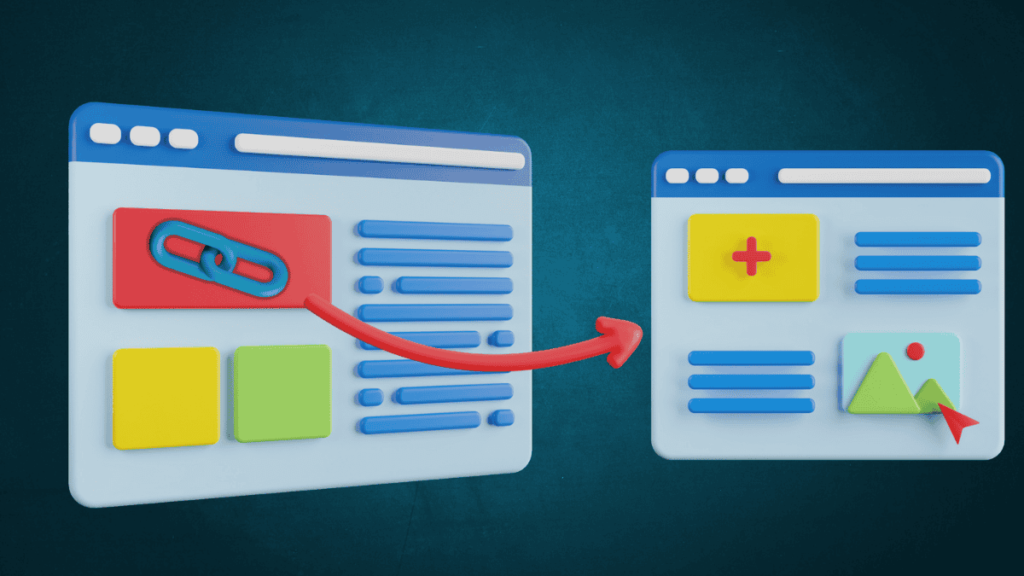
Here are the most effective strategies:
Competitor backlink analysis: Identify where your top competitors earn their links. Then pursue the same or similar sources. This gives you a proven list of relevant, attainable link targets.
Content-driven link earning: Create genuinely useful assets – original research, comprehensive guides, free tools, or data-driven studies. These naturally attract links because other websites want to reference them.
Guest posting on relevant sites: Writing valuable content for trusted blogs in your niche earns you editorial backlinks. Focus on relevance and audience fit, not just domain authority scores.
Digital PR: Getting featured in news outlets, industry publications, and high-traffic media sites delivers some of the most powerful backlinks available. This strategy also builds brand awareness simultaneously.
Broken link building: Find broken links on relevant websites and offer your content as a replacement. Site owners benefit from fixing broken links, so your outreach has a clear value proposition.
Internal linking: While not a backlink strategy, strong internal linking distributes authority across your site. Well-interlinked pages rank more easily, even with fewer external links.
Using the best content optimization tools for SEO alongside your link-building efforts ensures that every page you build links to is fully optimized – maximizing the ranking impact of each link you earn.
Common Backlink Mistakes to Avoid
Many websites undermine their own progress with avoidable link-building errors.
- Buying bulk low-quality links: These look unnatural and often come from link farms that Google actively penalizes. The short-term gain is never worth the long-term risk.
- Ignoring referring domain diversity: Multiple links from the same domain have diminishing returns. Spread your efforts across as many unique domains as possible.
- Over-optimizing anchor text: Using the exact target keyword as anchor text on too many links raises red flags. Vary your anchor text naturally – brand names, partial matches, and generic phrases all play a role.
- Building links too fast: An unnatural spike in links – especially on a new site – can trigger algorithmic scrutiny. Pace your acquisition steadily.
- Neglecting link monitoring: Links can be removed, the linking site can be penalized, or redirects can break. Regularly audit your backlink profile to protect your investments.
Understanding the future of SEO also helps you future-proof your link strategy. As AI search evolves, the types of content that attract authoritative links are shifting – and staying ahead of that curve matters.
How SurgeAIO Can Help in Terms of SEO
Building the right number of backlinks requires ongoing analysis, strategic outreach, and constant monitoring. SurgeAIO simplifies this entire process.
Here is how SurgeAIO supports your link-building and broader SEO goals:
- Competitive backlink gap analysis: SurgeAIO helps you see exactly how your backlink profile compares to top competitors for your target keywords – so you know the precise gap you need to close.
- Keyword difficulty insights: Understand which keywords are worth targeting based on realistic link-building requirements and your current domain strength.
- AI visibility optimization: Beyond traditional backlinks, SurgeAIO tracks how your brand and content appear in AI-powered search tools like Google AI Overviews. Understanding how to rank in AI overviews is becoming just as important as a traditional backlink strategy.
- Content audit support: SurgeAIO identifies your strongest and weakest pages, so you know exactly where to concentrate link-building efforts for maximum ROI.
- On-page SEO integration: Because backlinks alone do not guarantee rankings, SurgeAIO ensures your on-page factors are solid before amplifying them with link equity.
- Actionable reporting: Instead of drowning in raw data, SurgeAIO presents clear insights that guide your next steps – whether that is building more links, refreshing existing content, or targeting new keyword opportunities.
In short, SurgeAIO removes the guesswork from one of SEO’s most complex questions. It helps you build the right links, in the right quantity, at the right pace.
Final Thoughts
The question “how many backlinks do I need to rank” does not have a single answer – but it does have a clear methodology. Analyze your competitors, assess keyword difficulty, build quality links at a consistent pace, and always prioritize relevance over raw numbers.
Start with what the data tells you. Close the gap with smart, strategic link-building. And use tools like SurgeAIO to stay informed, stay competitive, and keep your SEO moving in the right direction.
Frequently Asked Questions
How many backlinks do I need to rank on page one?
There is no fixed number. It depends on your keyword difficulty, competitor profiles, and your domain’s existing authority. Analyze the top 10 results for your target keyword and use their average referring domain count as your benchmark.
Are 50 backlinks enough to rank?
For low-competition, long-tail keywords – yes, 50 quality referring domains can be sufficient. For competitive commercial terms, 50 links will rarely be enough. Context determines everything.
How many backlinks per month should I build?
A steady pace of 5-15 high-quality links per month is effective and sustainable for most websites. Avoid sudden spikes, as they can appear unnatural to search engines.
Do backlinks from the same domain count?
Yes, but with diminishing returns. The first link from a domain carries the most weight. Additional links from the same site still help marginally, but your priority should always be earning links from new, unique domains.
Are backlinks still important in 2026?
Absolutely. Despite evolving algorithms and growing AI search experiences, backlinks remain one of the strongest signals of authority and trust. High-quality backlinks continue to drive rankings and organic traffic.
What is more important – the number of backlinks or the domain authority of the linking site?
Both matter, but the authority and relevance of linking domains generally outweigh raw numbers. One link from a trusted industry publication typically delivers more SEO value than twenty links from low-authority sites.
Can too many backlinks hurt my rankings?
Too many low-quality or spammy backlinks can trigger Google penalties. However, a high volume of legitimate, earned links from diverse, authoritative sources will never hurt your rankings. Quality is always the priority.
