surgeaio.com

SurgeAIO — Navbar Mobile CTA

SEO for Auto: Complete Guide to Ranking Your Automotive Business in 2026 

SEO for Automotive

The automotive industry is one of the most competitive spaces in digital marketing. Whether you run a dealership, an auto repair shop, or an auto parts supplier, your potential customers are searching online before they ever pick up the phone. If your business doesn’t show up, someone else gets the call.

SEO for auto is the strategy that changes that. It puts your business in front of high-intent searchers – people actively looking for a mechanic, a car dealer, or a specific vehicle nearby. In this guide, you’ll learn exactly how automotive SEO works, what it takes to rank, and how to build a strategy that delivers consistent leads.

What Is SEO for Auto?

SEO for auto refers to the process of optimizing an automotive business’s online presence to rank higher in search engine results. It covers everything from on-page content and technical website health to local business listings and backlink building.

The goal is straightforward: when someone types “auto repair shop near me” or “used Toyota dealer in [city],” your business appears at the top. However, achieving that visibility requires a deliberate, multi-layered approach.


Turn AI Visibility Into Real Revenue.

Automate Leads With SurgeAIO. Don’t Let AI Ignore Your Brand.

Book A Demo →

Automotive SEO differs from general SEO in one critical way – local intent dominates almost every search. Most car buyers and vehicle owners want a business nearby. Therefore, local optimization is not optional. It’s the foundation.

If you’re still wondering whether you need SEO for your website, the automotive space answers that question clearly – yes, and urgently.

Why SEO for Auto Matters More Than Ever

Search engines play a central role in the modern car-buying and auto service journey. Studies consistently show that the vast majority of car customers conduct research online before making any purchase decision.

Moreover, people searching for auto-related services show high purchase intent. When someone searches “brake repair near me,” they’re not casually browsing. They need a solution now. Capturing that traffic almost always leads to real conversions – phone calls, bookings, and walk-ins.

Here’s why automotive businesses must prioritize SEO:

  • High-intent traffic converts better than social media or display advertising
  • Brand visibility builds trust even before a customer is ready to act
  • Local SEO connects you to searchers in your immediate service area
  • Organic rankings deliver long-term results without constant ad spend
  • Competitors are already investing – sitting out means losing market share

Understanding what SEO lead generation actually means helps clarify the real business value. Every page that ranks is a 24/7 lead generator for your automotive business.

The Biggest Challenges in Automotive SEO

Before building your strategy, you need to understand the obstacles specific to this industry.

High competition: The automotive sector is crowded. Thousands of dealerships and repair shops compete for the same local keywords. This makes differentiation through content and local signals even more critical.

Image-heavy websites: Automotive sites rely heavily on vehicle photos and galleries. Large image files slow down page load speeds – and Google penalizes slow sites.

Rotating inventory: Dealerships constantly add and remove vehicle listings. This creates orphaned pages, broken links, and duplicate content issues that hurt technical SEO health over time.

Mobile-dominated searches: The majority of automotive research happens on mobile devices. A poor mobile experience directly damages both rankings and conversion rates.

Each of these challenges has a solution. The key is building an SEO strategy that addresses them systematically rather than in isolation.

Step 1: Build a Strong Local SEO Foundation

For automotive businesses, local SEO for auto is the highest-priority channel. Most customers buy from or visit businesses within a defined geographic area. Therefore, showing up in local search results is non-negotiable.

Set up and optimize your Google Business Profile. This is the single most impactful step for local visibility. Complete every field – business name, address, phone number, hours, services, and photos. An optimized profile increases your chances of appearing in the Google Map Pack, which displays above organic results and drives significant click-through traffic.

Maintain consistent NAP data. Your Name, Address, and Phone number must match exactly across every directory and platform – Yelp, Yellow Pages, BBB, and your own website. Inconsistent data confuses search engines and weakens your local ranking signals.

Generate and respond to reviews. Reviews are a direct local ranking factor. Businesses with more recent, high-quality reviews consistently rank higher in map results. Encourage satisfied customers to leave reviews and respond professionally to everyone, positive or negative.


Turn AI Visibility Into Real Revenue.

Automate Leads With SurgeAIO. Don’t Let AI Ignore Your Brand.

Book A Demo →

Create location-specific pages. If you serve multiple cities or neighbourhoods, build individual pages for each location. Each page should include unique content, local landmarks, and location-specific keyword terms.

Exploring AI local SEO tools can further accelerate your ability to dominate local search in the automotive space.

Step 2: Conduct Targeted Keyword Research

Effective SEO for auto starts with finding the right keywords – not just the most obvious ones.

Short-tail keywords like “car dealer” or “auto repair” carry massive competition. Instead, focus on long-tail keywords that reflect specific intent. These terms have lower competition and convert at higher rates because they match exactly what the searcher needs.

Examples of strong automotive long-tail keywords:

  • “Toyota Camry under $15,000 near [city]”
  • “transmission repair shop [city]”
  • “Oil change same day [neighbourhood]”
  • “used SUV dealership [city] financing available”

Use tools like Google Search Console to identify which keywords your site already appears for. Then expand from there using keyword research tools to find adjacent opportunities your competitors may have missed.

Additionally, analyze your competitors’ keyword rankings. Identify the terms driving their traffic and determine where you can realistically compete. This keyword gap strategy reveals the fastest paths to ranking improvement without targeting terms that are already locked up by dominant players.

Step 3: Optimize On-Page SEO for Every Key Page

Once you have your keywords, apply them strategically across your website’s most important pages.

Title tags and meta descriptions: Include your primary keyword and location in the title tag of every key page. Write meta descriptions that describe what the page offers and encourage clicks – keep them under 155 characters.

URL structure: Use keyword-rich, readable URLs. For example: yoursite.com/used-toyota-camry-atlanta performs better than yoursite.com/listing?id=8823.

Header hierarchy: Use one H1 per page containing your primary keyword. Use H2S and H3S to organize subtopics and incorporate secondary keywords naturally.

Content depth: Product pages and service pages should answer every question a potential customer might have before visiting. For dealerships, this means specs, pricing ranges, financing options, and video walk-arounds. For repair shops, this means service descriptions, pricing transparency, certifications, and turnaround times.

Internal linking: Connect your service pages, blog posts, and location pages using descriptive anchor text. This distributes page authority across your site and helps search engines understand your content hierarchy. Learning more about SEO and GEO will also help you understand how geographic signals interact with on-page signals to boost local relevance.

Step 4: Fix Technical SEO Issues

Technical SEO is the foundation that all other efforts depend on. Even the best content won’t rank if your website has serious technical problems.

Page speed: Automotive websites are image-heavy by nature. Compress all images without sacrificing quality. Use lazy loading so images only load as the user scrolls down. Aim for a load time under three seconds on both desktop and mobile.

Mobile optimization: Google uses mobile-first indexing, meaning it ranks your site based on how it performs on mobile. Use responsive design, keep text readable on small screens, and avoid pop-ups that block content.

Crawlability: Submit an XML sitemap through Google Search Console. This helps Google discover and index all of your pages – especially important when inventory changes frequently.

Fix broken links: Deleted vehicle listings leave behind 404 error pages. Redirect these pages to relevant alternatives or to a category page. Broken links waste crawl budget and frustrate users.

Duplicate content: Dealerships often reuse manufacturer descriptions across vehicle listings. This creates duplicate content issues. Write unique descriptions for each vehicle or service page to avoid penalties.

Understanding the future of SEO makes it clear that technical health will only become more critical as search engines grow more sophisticated.

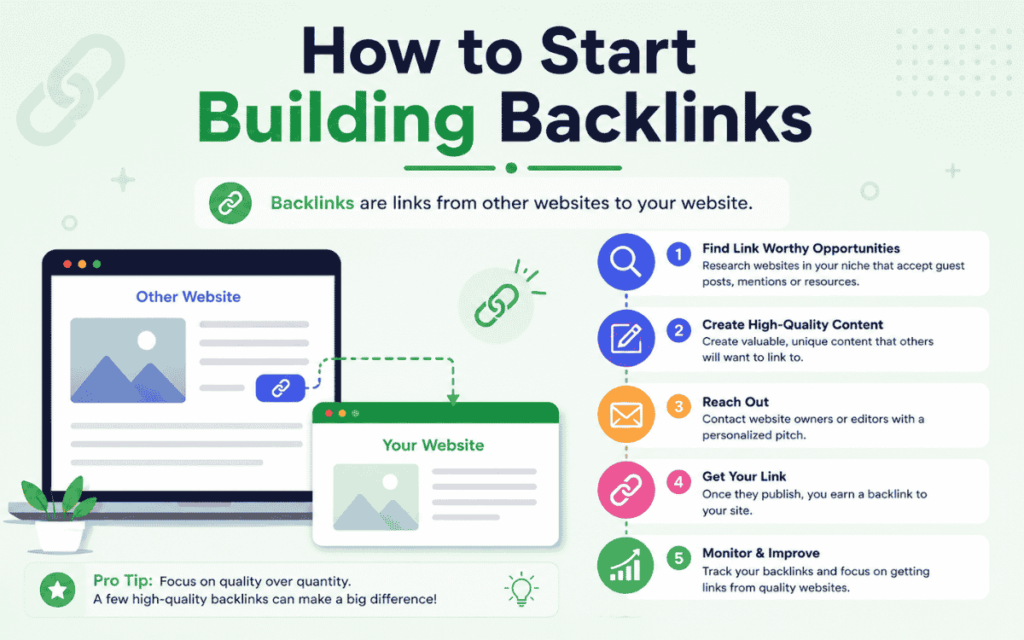
Step 5: Build Quality Backlinks

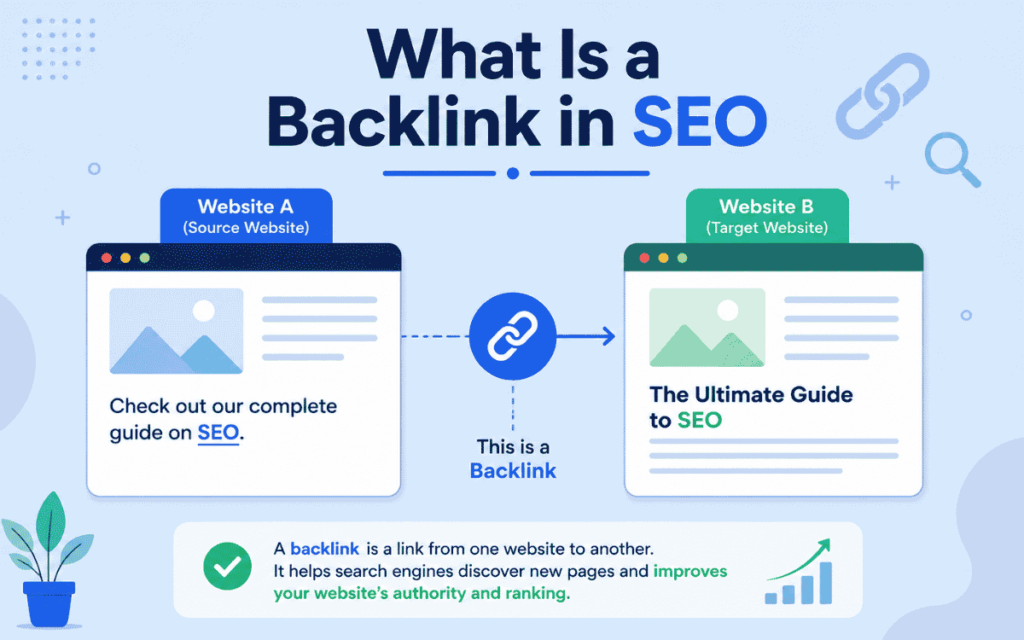
Backlinks from authoritative, relevant websites signal to Google that your site is trustworthy. In the automotive space, the most valuable links come from:

  • Local news publications covering automotive events or business spotlights
  • Automotive industry blogs and trade publications
  • Community organizations and local business directories
  • Partner businesses – tyre suppliers, warranty companies, finance providers

Focus on quality over quantity. One link from a respected regional newspaper outperforms ten links from unrelated, low-authority websites.

Additionally, create content that earns links naturally – how-to guides for car maintenance, local automotive event coverage, or data-driven reports on vehicle pricing trends in your area. This kind of content attracts organic links from bloggers and journalists who find it genuinely useful.

For businesses looking to scale this effort, exploring backlink companies for SEO can help identify legitimate link-building partners that specialize in the automotive niche.

Step 6: Create High-Value Content Consistently

Content is what fuels long-term automotive SEO growth. Car buyers spend significant time researching before making a decision, visiting multiple websites across their journey. Informational content puts you in front of them early.

Create High-Value Content Consistently

Blog content ideas for automotive businesses:

  • “How to know when your brakes need replacing”
  • “Financing a used car: what to know before you visit a dealer”
  • “Best family SUVs under $30,000 in [city]”
  • “Why regular oil changes matter for engine longevity”

Each post should target a specific keyword, answer a real question, and include internal links to relevant service pages or vehicle listings. This creates a content network where each piece strengthens the others.

Moreover, video content is increasingly important in automotive SEO. Test drive videos, shop tours, and service explanations all help reduce customer hesitation and improve on-page engagement signals – both of which influence rankings.

If you manage multiple service types or locations, consider using the best content optimization tools for SEO to streamline content production and ensure consistency across every page you publish.

Step 7: Use Schema Markup for Rich Results

Schema markup is structured data that helps search engines understand the content on your pages more precisely. For automotive businesses, schema can unlock rich results – enhanced SERP listings that show star ratings, pricing, business hours, and more.

Recommended schema types for automotive SEO:

  • LocalBusiness schema – displays your address, hours, and contact info directly in search results
  • Auto schema – describes vehicle specifications for product pages
  • Review schema – surfaces star ratings in search snippets
  • FAQPage schema – displays questions and answers directly under your listing

Turn AI Visibility Into Real Revenue.

Automate Leads With SurgeAIO. Don’t Let AI Ignore Your Brand.

Book A Demo →

Rich results take up more space in the search results page. This pushes competitor listings further down and increases your click-through rate even without moving up in rankings.

How SurgeAIO Can Help in Terms of SEO

Running SEO for an automotive business is complex. You’re managing local signals, technical health, content, keywords, and backlinks – all at the same time. SurgeAIO simplifies every layer of this process.

SurgeAIO helps automotive businesses identify the highest-opportunity local and long-tail keywords specific to their market. It audits your website’s technical health and flags the exact issues holding your rankings back. Its content optimization tools ensure every service page, vehicle listing, and blog post is aligned with search intent.

Furthermore, SurgeAIO tracks your AI and search visibility across platforms – giving you clear data on where you rank, where competitors are outperforming you, and what to fix next. For automotive businesses operating in competitive local markets, that visibility is the difference between generating leads and losing them to rivals.

Whether you run a single-location repair shop or a multi-location dealership group, SurgeAIO gives you the tools to build, monitor, and grow an automotive SEO strategy that delivers measurable results.

Final Thoughts

SEO for auto is not a one-time task. It’s an ongoing investment in your business’s digital visibility. Every optimized page, every earned backlink, and every positive review builds a stronger foundation that compounds over time.

Start with local SEO, fix technical issues, build keyword-targeted content, and develop a link strategy rooted in relevance and quality. Do this consistently, and your automotive business will rank for the searches that matter most – the ones that lead directly to customers walking through your door.

SurgeAIO gives automotive businesses the tools to do all of this smarter, faster, and with clear data driving every decision.

Frequently Asked Questions (FAQs)

What is SEO for auto businesses? 

SEO for auto is the process of optimizing an automotive website – dealership, repair shop, or parts supplier – to rank higher in search engine results. It includes local SEO, on-page optimization, technical SEO, content marketing, and link building.

How long does automotive SEO take to show results?

Most businesses begin seeing measurable improvements within 3 to 6 months of consistent effort. However, competitive local markets may take longer. SEO builds gradually – results compound over time rather than arriving overnight.

Is local SEO more important than national SEO for auto businesses? 

For most automotive businesses, yes. The majority of customers search for auto services within a specific geographic area. Local SEO – Google Business Profile, local citations, location pages – drives the highest-value traffic for repair shops and dealerships.

How many keywords should an automotive website target? 

Each page should focus on one primary keyword. A dealership or repair shop website might target dozens of keywords across multiple pages – one per service type, one per location, and one per major vehicle category.

Do auto repair shops need a blog? 

Yes. A blog lets you target informational keywords that bring in potential customers early in their research phase. It also builds topical authority, which strengthens your rankings for commercial and local keywords.

What role do reviews play in automotive SEO? 

Reviews are a significant local ranking factor. Businesses with more frequent, high-quality reviews rank higher in Google Maps results. They also increase click-through rates and conversion rates from search listings.

Should I do SEO myself or hire an agency? 

For smaller shops with limited inventory, basic SEO can be managed in-house with the right tools. Larger dealerships or multi-location businesses benefit significantly from professional SEO support, either through an agency or a platform like SurgeAIO that provides data-driven optimization at scale.

SEO Content Outline – How to Build One That Actually Ranks

SEO Content Plan

Most content fails before a single word is written. Why? Because there was no solid SEO content outline guiding the process.

An SEO content outline is a structured blueprint that maps your article’s direction – before you start writing. It defines your heading hierarchy, target keyword placement, search intent, and internal linking strategy. Without it, even great writers produce scattered, unfocused content.

In this guide, you’ll learn how to build an SEO content outline step by step, what every outline must include, and how to use it as a competitive weapon in search.

What Is an SEO Content Outline?

An SEO content outline is a pre-writing document that organizes your article’s structure around a target keyword and user intent. It acts as a roadmap for your writer – or for yourself – to follow from introduction to conclusion.

However, it’s not just a list of headings. A strong SEO content outline includes keyword targets, section-level notes, internal link placements, and key questions to answer per section.

Think of it as the skeleton of your content. The writing adds the muscle. The outline provides the bones.

If you’ve been wondering what elements are foundational for SEO with AI, a well-built content outline is at the very top of that list.

Why Does an SEO Content Outline Matter?

Building an SEO content outline before writing delivers multiple benefits that directly affect your rankings.

Why Does an SEO Content Outline Matter?

It saves time. Writers with a clear outline produce content faster and with fewer revisions. There’s no staring at a blank page when the structure already exists.

It improves quality. An outline enforces logical flow. Each section builds on the previous one. Readers stay engaged longer, which reduces bounce rate.

It aligns with search intent. When you map your outline to the actual intent behind a keyword, your content answers what searchers are truly looking for. Google rewards this alignment with higher rankings.

It makes internal linking easier. When you see the full structure upfront, you can plan internal links naturally – embedding them where they’ll add the most value.

Moreover, content teams that use outlines consistently produce more scalable output. If you’re creating content for local landing pages for SEO, outlines become even more critical for maintaining consistency across multiple pages.

Step 1: Choose One Primary Keyword and Confirm Search Intent

Every SEO content outline starts with a single primary keyword. Not five. Not ten. One.

Targeting one keyword keeps your content focused. It prevents topic dilution and makes it easier for search engines to understand your page’s purpose.


Turn AI Visibility Into Real Revenue.

Automate Leads With SurgeAIO. Don’t Let AI Ignore Your Brand.

Book A Demo →

Once you select the keyword, confirm the search intent behind it. Open an incognito browser and search for your keyword. Look at the top-ranking results. Ask yourself:

  • Are the results how-to guides, listicles, or comparison posts?
  • Are they short or long-form?
  • Do they target beginners or experienced users?

The answers tell you exactly what content format to build. If the top results are all step-by-step how-to guides, your outline should follow that same structure.

This step is non-negotiable. Skipping it means you might write a brilliant comparison article – for a keyword that only rewards how-to content.

Understanding why keywords are important for SEO is the foundation of every effective content outline. Align your outline to that foundation from the very start.

Step 2: Research Your Audience and Topic Depth

Before you build your heading hierarchy, research what your target audience actually wants from this topic.

Start with Google’s “People Also Ask” section. It reveals the questions real users are asking around your keyword. Every question is a potential H2 or H3 in your outline.

Next, scan the top five ranking articles for your keyword. Note what topics they cover and – more importantly – what they miss. Your outline should cover everything the competition covers, plus the gaps they left open.

Additionally, check forums like Reddit and Quora. These platforms surface raw, unfiltered questions that keyword tools often miss.

Here’s a quick checklist for audience research:

  • What does the reader already know about this topic?
  • What specific problem are they trying to solve?
  • What action do they want to take after reading?
  • What tone and depth level suits their expertise?

This research phase directly shapes which sections appear in your SEO content outline and how deep each one goes.

Step 3: Build Your Heading Hierarchy (H1, H2s, H3s)

Your heading structure is the visible skeleton of your SEO content outline. Build it carefully.

H1: Your article title. It should contain your primary keyword and signal the exact topic.

H2S: Your main sections. Each H2 represents a major idea or step within the topic. Aim for 4-8 H2S depending on content length.

H3S: Sub-points under each H2. Use them to break down complex ideas, add examples, or answer specific sub-questions.

A common mistake is writing vague H2S like “More Tips” or “Important Considerations.” These headings tell neither the reader nor Google what the section contains. Be specific. Instead of “Tips,” write “5 Practical Tips for Structuring Your Content Outline Fast.”

Apply the MECE principle here: Mutually Exclusive, Collectively Exhaustive. Each heading should cover a distinct idea with no overlap. Together, all headings should cover the topic completely – leaving no obvious gaps.

This approach keeps your outline logical, your content scannable, and your readers satisfied.

Step 4: Map Key Points Under Each Section

Once your headings are in place, add bullet points under each one. These notes become your writing instructions.

Under each H2, include:

  • The 2-3 core points you will cover in that section
  • Any statistics, data, or quotes to include
  • Planned internal or external links
  • The specific question this section answers

This level of detail transforms a basic skeleton into a near-complete first draft. Writers can follow the outline without needing to re-research mid-draft.


Turn AI Visibility Into Real Revenue.

Automate Leads With SurgeAIO. Don’t Let AI Ignore Your Brand.

Book A Demo →

For example, under an H2 titled “How to Identify Search Intent,” your bullets might look like:

  • Explain the four types of search intent (informational, navigational, transactional, commercial)
  • Include an example of each type
  • Note how intent affects content format choices
  • Link to the related article on the keyword gap strategy

This level of specificity prevents writers from going off-topic. It also helps you spot weak sections early – before any writing begins.

Step 5: Plan Your Internal Links in the Outline Stage

Most content creators add internal links after writing. That’s a missed opportunity.

Planning internal links at the outline stage means you place them where they naturally fit – not where they’re forced in during editing. This produces a better user experience and stronger topical authority signals.

When selecting internal links, choose pages that genuinely extend the reader’s journey. If your article covers SEO content outlines, a natural internal link might point to related topics like what is SEO and GEO or the best content optimization tools for SEO.

Use descriptive anchor text. Never use “click here” or “read more.” The anchor text should describe the destination page clearly and naturally.

For a 1,800-word article, aim for 3–5 internal links. Spread them across different sections. Avoid clustering all links in the introduction.

Step 6: Add SEO Notes to Your Outline

An SEO content outline is not complete without SEO notes attached to it.

Add SEO Notes to Your Outline

At the top of your outline document, record:

  • Primary keyword and target usage frequency
  • Secondary keywords and LSI terms to weave in naturally
  • Meta description draft (one or two sentences summarizing the article)
  • Target word count based on competitor analysis
  • Featured snippet opportunity – if top results show a snippet, structure one H2 answer to target it directly

These notes keep every part of the content strategy visible in one place. Writers don’t need to guess what the SEO goals are. Everything is documented upfront.

Furthermore, if you’re managing a content team, these notes ensure consistency across every writer who touches the brief.

Common Mistakes to Avoid in Your SEO Content Outline

Even experienced content creators make these errors. Avoid them from the start:

  • Targeting multiple primary keywords. One article, one primary keyword. Always.
  • Ignoring search intent. Building an outline for informational content when the keyword demands transactional pages wastes all your effort.
  • Using vague headings. Weak headings lead to unfocused sections. Be specific in every H2 and H3.
  • Skipping internal link planning. Links added as an afterthought rarely fit naturally.
  • Overloading the outline. An outline should guide, not overwhelm. Keep bullets concise. Leave room for the writer to add value.
  • Forgetting the reader’s next step. Every article should point the reader somewhere useful. Plan your CTA or conclusion links at the outline stage.

Additionally, avoid writing outlines that mirror your competitor’s structure too closely. Use competitor analysis as a floor, not a ceiling. Your outline should cover what they cover and then go further.

How SurgeAIO Can Help in Terms of SEO

Building an effective SEO content outline takes research, strategy, and constant refinement. SurgeAIO streamlines every part of that process.

SurgeAIO helps you identify the right primary keywords for each piece of content. It confirms search intent, so you never build the wrong type of outline for a keyword. It surfaces the questions your target audience is asking – giving you ready-made H2 and H3 material.


Turn AI Visibility Into Real Revenue.

Automate Leads With SurgeAIO. Don’t Let AI Ignore Your Brand.

Book A Demo →

Moreover, SurgeAIO’s content tools help you track keyword usage across drafts, ensuring you stay within the recommended frequency without over-optimising. Its internal linking suggestions connect your new content to your existing pages automatically – strengthening topical authority across your entire site.

For businesses building content at scale – whether you’re a marketing agency, a growing SaaS company, or a local service provider – SurgeAIO removes the guesswork from SEO content planning entirely. You can also explore best practices for AI visibility SEO to see how SurgeAIO integrates modern AI-driven strategies into your content workflow.

Every outline you build becomes a stronger asset when backed by data-driven tooling. SurgeAIO provides exactly that – faster, smarter, and with greater consistency.

Final Thoughts

A well-built SEO content outline is the difference between content that ranks and content that gets buried. It aligns your writing with search intent, ensures comprehensive topic coverage, and gives writers a clear path from introduction to conclusion.

Start every piece of content the same way: one keyword, confirmed intent, a logical heading structure, and internal links planned. Follow this process consistently, and your content output will improve in both quality and speed.

If you want to simplify this entire workflow, SurgeAIO gives you the tools to research, outline, and optimize content – all from one platform.

Frequently Asked Questions (FAQs)

What is an SEO content outline? 

An SEO content outline is a pre-writing document that maps your article’s structure around a target keyword. It includes headings, bullet points per section, internal link placements, and SEO notes to guide the writing process.

How long should an SEO content outline be? 

A good outline is thorough but not bloated. For a 1,500-2,000-word article, your outline might be 300-500 words. It should cover every heading with 2-3 bullet points per section.

Should I build the outline before or after keyword research? 

Always after. Your keyword determines the search intent, which dictates your content format, heading structure, and depth. Building an outline without a confirmed keyword is like building a house without knowing the neighbourhood.

How many internal links should I include in one article? 

For a 1,800–2,000-word article, aim for 3-5 internal links. Prioritize relevance over quantity. Each link should extend the reader’s understanding of the topic naturally.

Can I use AI tools to build an SEO content outline? 

Yes. AI tools can help you generate heading ideas, surface related questions, and identify content gaps quickly. However, always review the output against actual search results and audience intent before finalizing your outline.

What is the difference between a content brief and a content outline? 

A content brief is a broader strategy document covering audience, goals, tone, and keyword targets. A content outline is more granular – it maps the specific heading structure and key points for a single article. Most strong content workflows include both.

Search Google or Type a URL: What It Means and Why It Matters for SEO

Search or Enter URL

Most people barely notice it. They just start typing. But for website owners, SEO professionals, and digital marketers, this small text carries enormous strategic meaning. Understanding how users interact with this prompt – and what it signals to Google – can directly influence your organic visibility, brand recognition, and website traffic.

This guide breaks down exactly what “search Google or type a URL” means, how Chrome’s Omnibox works, and why the difference between these two browsing behaviours matters more than most people realize.

What Does “Search Google or Type a URL” Mean?

The phrase “search Google or type a URL” is the placeholder text inside Google Chrome’s address bar – officially called the Omnibox. It appears every time you open a new tab or click into the address bar.

It tells you two things you can do:

  • Search Google – Type a topic, question, or keyword. Google processes it as a search query and returns a results page.
  • Type a URL – Enter a specific web address directly. Chrome navigates you straight to that page without any search results in between.

The Omnibox is smart enough to detect which one you’re doing. If you type “best SEO tools,” it launches a Google search. If you type “surgeaio.com,” it takes you directly to that website. This distinction happens automatically – no button press required.

However, understanding the difference between these two behaviours isn’t just about browser mechanics. It carries real implications for how websites get found, how traffic is categorized, and how brands build recognition online.

Search Google vs. Type a URL – The Core Difference

These two actions represent two fundamentally different user mindsets – and two very different traffic sources in your analytics.

Searching Google reflects a user in discovery mode. They have a question, a problem, or a topic in mind. They don’t know exactly where to go. They’re relying on Google to guide them to the right destination.

Typing a URL reflects a user in intent mode. They know exactly where they want to go. They trust that website enough to navigate there directly – no middleman needed.


Turn AI Visibility Into Real Revenue.

Automate Leads With SurgeAIO. Don’t Let AI Ignore Your Brand.

Book A Demo →

Here’s a quick breakdown:

FactorSearch GoogleType a URL
User mindsetExploring, discoveringPurposeful, direct
Traffic typeOrganic searchDirect traffic
SpeedSlightly slowerFaster – skips results
Best forResearch, comparisonsKnown brands, banking, and email
Security riskModerate – ads and bad links existLower – if URL is typed correctly
SEO impactHigh – driven by rankingsSignals brand trust and loyalty

Moreover, both traffic types send distinct signals to Google. Organic search traffic confirms your content is relevant and rankable. Direct traffic confirms your brand is trusted and memorable. Both matter for a healthy, well-rounded digital presence.

What Is the Chrome Omnibox – And How Does It Work?

The Omnibox is the unified address bar in Google Chrome. It launched as a replacement for separate “search bar” and “address bar” fields – combining both into one intelligent input.

When you type into the Omnibox, Chrome uses several signals to determine what you want:

  • Autocomplete – Chrome predicts what you’re typing based on your browsing history, popular searches, and bookmarks.
  • Smart suggestions – As you type, Chrome surfaces related searches, previously visited URLs, and trending queries.
  • Intent detection – Chrome distinguishes between a URL (containing dots and slashes like .com or /page) and a search query (natural language phrases).

This makes the Omnibox one of the most powerful – and underused – productivity tools in everyday browsing. For SEO professionals, it’s also a live window into user search behaviour.

Understanding how the Omnibox processes intent connects directly to why keywords are important for SEO. When users type natural language queries into Chrome, those searches feed directly into Google’s keyword data – influencing what topics rank and what content gets served.

How “Search Google or Type a URL” Impacts SEO

This isn’t just a browser feature – it has direct consequences for your website’s SEO performance. Here’s how:

Search Google or Type a URL

1. Direct Traffic Signals Brand Strength

Every time a user types your URL directly into Chrome, Google Analytics records it as direct traffic. A consistent, growing volume of direct traffic tells Google something important: people know your brand, trust it, and return to it deliberately.

This behavioural signal reinforces domain authority over time. Websites with strong direct traffic tend to perform better in organic rankings because they demonstrate real-world brand recognition – something Google values heavily in its algorithm.

2. Organic Search Traffic Validates Content Quality

When users find your site through a Google search, it means your content answered their query well enough to earn a click. High click-through rates (CTR) on organic results signal to Google that your page matches user intent accurately.

Therefore, optimizing your pages for the right search queries – and ensuring your meta titles and descriptions are compelling – directly influences how often users choose your result over a competitor’s.

3. URL Structure Affects Both Behaviours

A clean, readable URL structure benefits both browsing behaviours. When your URLs are simple and logical, users are more likely to remember and type them directly. And clean URL structures are easier for Google to crawl, index, and rank.

For example, surgeaio.com/blog/seo-tips is far more memorable and crawlable than surgeaio.com/p?id=7742&ref=blog. Structure matters for humans and search engines alike.

In addition, if you’ve recently undergone a platform change, understanding SEO for a site migration is critical. URL changes during migrations can disrupt both direct traffic habits and organic rankings if not handled correctly.

The SEO Power of Understanding User Browsing Behaviour

When users search Google, they reveal something invaluable: their exact intent. Every query typed into Chrome’s Omnibox is a data point showing what problems people want solved, what information they need, and what products or services they’re considering.


Turn AI Visibility Into Real Revenue.

Automate Leads With SurgeAIO. Don’t Let AI Ignore Your Brand.

Book A Demo →

Smart SEO strategies are built on understanding this behaviour – not just at the keyword level but at the intent level.

  • Informational queries (“how does keyword research work”) need blog content, guides, and educational resources.
  • Navigational queries (“Semrush login”) indicate users looking for a specific brand or tool.
  • Commercial queries (“best SEO software comparison”) call for comparison pages and reviews.
  • Transactional queries (“buy SEO audit service”) demand clear service pages with strong calls to action.

Matching your content to the correct intent type is what separates pages that rank from pages that stall.

Furthermore, as AI tools reshape how search works, users increasingly interact with Chrome in new ways – asking full questions, using voice search, and relying on AI-generated answers in results. This is why understanding how AI Overviews will change SEO is now essential for any forward-thinking digital strategy.

When Should You Search Google vs. Type a URL?

Knowing when to use each method makes your browsing faster and safer.

Use Google Search When:

  • You’re researching a topic and don’t know the best source
  • You want to compare multiple options or read reviews
  • You’re looking for recent news or updated information
  • You need to find a local business or service
  • You’re exploring a new subject you’re not familiar with

Type a URL Directly When:

  • You know the exact website address
  • You’re logging into banking, email, or sensitive accounts
  • You want to avoid clicking ads or potentially misleading links
  • You’re returning to a trusted website you visit regularly
  • Speed and accuracy are priorities

However, even when typing URLs directly, be careful. Typosquatting – where bad actors register URLs nearly identical to trusted sites – is a real security risk. Always double-check that you’ve typed the address correctly before submitting sensitive information.

What This Means for Your Website’s Digital Strategy

Understanding how users arrive at websites – through search or direct navigation – shapes every element of a smart digital strategy.

Website's Digital Strategy

For brand building: Invest in making your brand name memorable and your URL simple. The easier your URL is to type, the more direct traffic you generate over time.

For content strategy: Understand the queries users type into Google before reaching you. Those search terms reveal what topics your audience cares about – and exactly what content you need to create.

For technical SEO: Keep URL structures clean, consistent, and descriptive. Avoid parameter-heavy URLs, unnecessary redirects, and broken links that erode both user experience and search performance.

For local businesses: Users often type location-based queries into Chrome’s Omnibox. Appearing for those searches requires a dedicated local SEO approach that connects your business to the right geographic intent signals.

In addition, whether users find you through search or direct navigation, knowing whether SEO is organic or paid helps you allocate budget correctly – balancing long-term organic visibility with short-term paid exposure.

How SurgeAIO Can Help in Terms of SEO

The gap between users searching Google and users typing your URL directly is a gap in brand authority. Closing it requires a consistent, data-driven SEO strategy – one that improves your organic rankings while simultaneously building the brand recognition that drives direct traffic.

SurgeAIO helps you do both.


Turn AI Visibility Into Real Revenue.

Automate Leads With SurgeAIO. Don’t Let AI Ignore Your Brand.

Book A Demo →

From keyword research and on-page optimization to tracking how your brand appears across AI-powered search results, SurgeAIO gives you complete visibility into how users find – and return to – your website. The platform monitors your organic keyword rankings, identifies content gaps, and surfaces opportunities to capture more of the search queries your audience types into Chrome every day.

Moreover, as AI search tools like Google’s AI Overviews, ChatGPT, and Perplexity change how users interact with search, SurgeAIO tracks your AI visibility metrics alongside traditional rankings. This means you’re optimized not just for the Omnibox of today – but for the AI-powered search experience already reshaping how users find information online.

Ultimately, the goal is simple: whether a user searches Google or types your URL directly, your brand should be the answer they find.

Final Thoughts

“Search Google or type a URL” is more than a browser prompt. It represents two distinct ways users navigate the internet – and two powerful signals that shape your website’s visibility, authority, and traffic.

For businesses and SEO professionals, understanding this distinction isn’t optional. It informs how you structure URLs, how you optimize content for search intent, and how you build the brand recognition that eventually makes users skip the search results altogether – and type your name directly.

Master both sides of the Omnibox, and you master how your audience finds you.

Frequently Asked Questions

What does “Search Google or type a URL” mean? 

It is the placeholder text inside Google Chrome’s Omnibox – the address bar. It means you can either type a search query to find information on Google or enter a specific web address to go directly to a website.

What is the Omnibox in Chrome? 

The Omnibox is Chrome’s unified address bar that handles both web searches and direct URL navigation. It uses autocomplete, smart suggestions, and intent detection to deliver results based on what you type.

Is typing a URL faster than searching Google? 

Yes – if you know the exact address. Direct URL entry skips the search results page entirely, taking you straight to the website you want.

Which method is safer – searching Google or typing a URL? 

Typing a URL directly is generally safer for sensitive activities like banking or logging into accounts. Google search carries a small risk of clicking misleading ads or low-quality links, so always verify the source before clicking.

Does direct traffic help with SEO? 

Yes. Strong direct traffic signals brand trust and recognition to Google. Websites with consistent direct traffic tend to perform better in organic search because they demonstrate real-world authority beyond just keyword optimization.

Can I change the default search engine in Chrome’s Omnibox? 

Yes. Go to Chrome Settings → Search Engine → and select your preferred default. You can switch to Bing, DuckDuckGo, or any other supported search engine.

What happens if I type a website name instead of a full URL? 

Chrome will either navigate directly to the website if it recognizes the name, or display Google search results related to that name – depending on your browsing history and Chrome’s intent detection.

Does voice search use the same Omnibox behaviour? 

Voice search inputs are processed as natural language queries, similar to typing into the search bar. Chrome converts spoken words into text and triggers a Google search automatically.

Lowest Competition Searches: How to Find and Rank for Them Fast

Lowest Competition Searches

Most businesses chase the same high-volume keywords. They target broad, competitive terms and wonder why their pages never rank. The truth is simple – if your domain authority is low or your site is relatively new, battling established players for head terms is a losing game.

The smarter move is targeting the lowest competition searches.

These are the keywords that real users type every day – specific, intent-driven, and largely ignored by big competitors. Ranking for them is faster, cheaper, and often more profitable. This guide shows you exactly how to find them, evaluate them, and turn them into consistent organic traffic.

What Are the Lowest Competition Searches?

Lowest competition searches are keyword phrases with high ranking potential and low competitive resistance. In other words, not many strong websites are fighting for those spots – which means you can claim them with solid content and basic on-page SEO.

These terms are typically longer and more specific than broad keywords. Instead of “running shoes,” a low-competition search might be “best running shoes for flat feet under $100.” The intent is clearer. The audience is more qualified. And the competition is far thinner.

Moreover, the lowest competition searches often align perfectly with what buyers type just before making a decision. That makes them incredibly valuable – not just for traffic, but for conversions.

Understanding why keywords are important for SEO is the essential first step. Without that foundation, even the best low-competition keyword list won’t produce results.

Why Targeting Low-Competition Keywords Works

Many marketers overlook low-competition keywords because the search volumes look small. That’s a mistake. Here’s why this strategy consistently outperforms chasing high-volume head terms:

Targeting Low-Competition Keywords

  • Faster rankings – Less competition means you can rank in weeks instead of months or years.
  • Higher conversion rates – Specific searches signal clearer intent. Users who search precisely know exactly what they want.
  • Lower content costs – You don’t need thousands of backlinks or massive domain authority to compete.
  • Sustainable traffic – Once you rank, low-competition pages tend to hold their positions longer with minimal upkeep.
  • Better ROI – You invest less and gain more qualified visitors who are closer to taking action.
  • Ideal for new websites – Sites without established authority can build momentum quickly by targeting these terms first.

Turn AI Visibility Into Real Revenue.

Automate Leads With SurgeAIO. Don’t Let AI Ignore Your Brand.

Book A Demo →

In addition, this approach pairs naturally with a broader SEO and GEO strategy for your website. Low-competition local searches, for example, can drive highly targeted traffic that converts at exceptional rates – especially for service businesses.

Key Metrics to Evaluate Low-Competition Keywords

Not every low-volume keyword is a low-competition gem. You need to evaluate each term against specific metrics before committing content resources to it.

Keyword Difficulty (KD)

Keyword difficulty scores how hard it is to rank for a term – typically on a scale of 0 to 100. For the lowest competition searches, target a KD below 30 if your site is newer. Sites with moderate authority can push to KD 40–50 and still compete effectively.

Search Volume

Volume indicates how many people search for a term monthly. Low-competition keywords don’t need massive volume to be valuable. A keyword with 200–500 monthly searches and high purchase intent can generate more revenue than a 10,000-volume term dominated by major brands.

Search Intent

Always confirm the intent behind a keyword before creating content. Intent falls into four categories:

  • Informational – The user wants to learn. Target with blog posts and guides.
  • Navigational – The user looks for a specific site or brand.
  • Commercial – The user researches before buying. Target with comparison pages or reviews.
  • Transactional – The user is ready to purchase. Target with product or service pages.

Matching content type to intent is non-negotiable. A mismatch kills rankings regardless of how low the competition for the keyword is.

SERP Features

Check whether the keyword triggers featured snippets, People Also Ask boxes, or local packs. These features offer bonus visibility – and they’re often easier to capture on low-competition terms than on crowded head keywords.

Furthermore, as AI search tools become more dominant, understanding how AI Overviews will change SEO helps you identify which low-competition keywords are most likely to earn AI-generated citations – a rapidly growing traffic source.

6 Proven Methods to Find Lowest Competition Searches

6 Proven Methods to Find Lowest Competition Searches

Method 1 – Use Long-Tail Keyword Research

Long-tail keywords are the backbone of a low-competition search strategy. These are phrases with three or more words that target very specific queries. They have lower search volume individually, but they collectively drive the majority of all searches online.

Start with a broad seed keyword related to your niche. Then expand it into longer, more specific variations. For example:

  • Seed: “email marketing”
  • Long-tail: “email marketing for e-commerce beginners”
  • Long-tail: “How to write email marketing sequences that convert”
  • Long-tail: “best email marketing tools for small businesses under $50”

Each of these is far more targetable than the broad seed term. They attract users who are further along in the decision-making process and are much easier to rank for.

Method 2 – Mine Google’s “People Also Ask” and Autocomplete

Google itself is one of the best free tools for finding the lowest competition searches. Type your seed keyword into Google and observe two things:

Autocomplete suggestions – The dropdown phrases Google shows as you type. These are real search queries people use daily.


Turn AI Visibility Into Real Revenue.

Automate Leads With SurgeAIO. Don’t Let AI Ignore Your Brand.

Book A Demo →

People Also Ask (PAA) boxes – The question-based suggestions that appear in search results. Each PAA question is a potential low-competition keyword you can build a dedicated section or page around.

These queries often have minimal content targeting them. A well-structured answer on your site can claim that spot quickly.

Method 3 – Analyse Competitor Weak Spots

Your competitors aren’t ranking strongly for every keyword they target. Some of their pages sit in positions 8–20 – close to the first page but not quite there. Those weak positions represent golden opportunities.

Use an SEO tool to pull your competitors’ keyword rankings and filter for positions 6–20. These are terms where established sites haven’t fully committed to ranking. With better content and stronger on-page optimization, you can outrank them.

This method connects directly to understanding what SEO lead generation means – because the keywords competitors rank weakly for are often high-intent terms that drive real business outcomes.

Method 4 – Filter by Keyword Difficulty in SEO Tools

Most professional SEO platforms allow you to set a keyword difficulty filter during research. This is the fastest way to isolate the lowest competition searches from a large dataset.

The process is straightforward:

  • Enter your seed keyword or topic into the tool
  • Set a keyword difficulty filter – typically under 30 for newer sites
  • Set a minimum search volume threshold – usually 100+ monthly searches
  • Sort results by traffic potential or search volume
  • Export and prioritize the most relevant terms

This approach surfaces hundreds of opportunities quickly. The key is then filtering further by intent and business relevance – not just choosing the easiest terms regardless of fit.

Method 5 – Target Question-Based Keywords

Questions are consistently underserved in most niches. Users increasingly search in full questions, especially with voice search and AI-powered tools growing rapidly. These question-format queries almost always have lower competition than statement-format equivalents.

Examples of question-based low-competition searches:

  • “How do I rank my website without backlinks?”
  • “What is the best time to post on Instagram for B2B?”
  • “Why is my Google ranking dropping after a site update?”

Each of these represents a specific problem someone needs solved. Create a dedicated piece of content answering each question thoroughly, and ranking becomes significantly more achievable.

In fact, understanding how to show up in AI Overviews means question-based low-competition keywords now carry double value – they can earn you both a traditional ranking and an AI-cited answer simultaneously.

Method 6 – Explore Niche Subtopics and Micro-Verticals

Every broad industry has dozens of subtopics that larger sites gloss over. These micro-verticals are where the lowest competition searches live in abundance.

For example, in the fitness niche, instead of targeting “workout plans,” you might explore:

  • “Workout plans for women over 50 with bad knees”
  • “At-home resistance band workouts for beginners”
  • “15-minute morning workouts for busy parents”

These subtopics attract smaller but far more targeted audiences. Moreover, they allow you to build topical authority in a specific area quickly, which signals expertise to Google and strengthens your rankings across the entire niche cluster.

How to Prioritize Your Low-Competition Keyword List

Once you’ve built a keyword list, prioritization is critical. Not every low-competition keyword deserves equal content investment. Use this framework:

  • High priority – Low KD + clear commercial or transactional intent + 200+ monthly searches
  • Medium priority – Low KD + informational intent + strong topical relevance to your business
  • Low priority – Very low volume + unclear intent + loosely related to your niche

Build content around high-priority terms first. Then use medium-priority informational keywords to support your pillar pages through internal linking – strengthening your overall topical authority over time.

How SurgeAIO Can Help in Terms of SEO

Finding the lowest competition searches manually is possible – but slow. Evaluating hundreds of keywords across difficulty, intent, volume, and SERP features takes significant time and expertise.

SurgeAIO accelerates every part of this process.

The platform combines traditional SEO keyword intelligence with AI visibility optimisation techniques – meaning you don’t just find keywords that rank in Google, you identify terms that get cited in AI-generated answers from ChatGPT, Perplexity, and Google’s AI Overviews.

This dual approach is increasingly important. As AI search tools reshape how users find information, targeting the right low-competition searches now positions your brand for visibility across both traditional SERPs and next-generation AI results.


Turn AI Visibility Into Real Revenue.

Automate Leads With SurgeAIO. Don’t Let AI Ignore Your Brand.

Book A Demo →

SurgeAIO also helps you track how your low-competition keyword rankings evolve. You can monitor progress, identify new gaps, and continuously refresh your keyword strategy – all from a single dashboard built for modern SEO.

Ultimately, the goal isn’t just to rank. It’s to own your niche by consistently capturing the searches your competitors overlook. SurgeAIO gives you the tools to do exactly that.

Common Mistakes to Avoid

Even with the right strategy, these errors derail low-competition keyword campaigns:

  • Ignoring search intent – A low-KD keyword is worthless if your content doesn’t match what the user actually wants.
  • Targeting irrelevant low-KD terms – Easy to rank for doesn’t mean worth ranking for. Always assess business relevance.
  • Publishing thin content – Low competition doesn’t mean low quality. Comprehensive, well-structured content still wins.
  • Skipping internal linking – Low-competition pages build authority faster when properly connected to your existing content structure.
  • Never revisit the list – Search trends shift. Keywords that were low competition six months ago may be flooded with new content today.

Final Thoughts

Chasing high-volume keywords before your site has the authority to compete is one of the most common – and costly – SEO mistakes businesses make. The smarter path is starting with the lowest competition searches: specific, intent-driven, and consistently overlooked by established competitors.

Find the gaps. Evaluate by intent and difficulty. Build content that answers real questions better than anyone else. Repeat that process consistently, and your organic traffic compounds month after month.

The brands winning in search right now aren’t always the biggest. They’re the ones targeting the right searches at the right time – and the lowest competition keywords are where that advantage begins.

Frequently Asked Questions

What makes a keyword “low competition”?

 A keyword is considered low competition when fewer high-authority websites actively target it. This is typically measured by a keyword difficulty score below 30-40, depending on your own domain strength.

Can low-competition keywords still drive significant traffic? 

Yes. When combined in clusters, low-competition keywords collectively drive substantial organic traffic. Many businesses generate thousands of monthly visitors purely from targeting dozens of low-competition terms rather than a handful of high-volume ones.

How long does it take to rank for low-competition searches? 

Ranking timelines vary, but low-competition keywords typically show movement within 4-12 weeks for newer sites – compared to 6–18 months for highly competitive terms. The more optimized your content, the faster the results.

Are low-competition keywords good for e-commerce sites? 

Absolutely. Product-specific and comparison-based low-competition searches are particularly valuable for e-commerce. They attract buyers closer to the purchase decision, which translates directly to higher conversion rates.

Should I only target low-competition keywords? 

Not necessarily. A balanced strategy uses low-competition keywords to build authority and generate early traffic, while gradually targeting medium and higher-difficulty terms as your domain grows stronger over time.

Do low-competition keywords work for AI search tools? 

Yes – and increasingly so. AI search tools tend to surface specific, well-structured answers. Low-competition, question-based keywords are particularly well-suited to earning citations in AI Overviews and generative search results.

Keyword Gap Strategy – Beat Competitors at Their Own Game

Keyword Gap Strategy

Every brand wants to rank higher on Google. But most businesses don’t realize the fastest path isn’t starting from scratch. Sometimes, the smartest move is studying what competitors do right – and finding exactly where you fall short.

That’s the power of a keyword gap strategy.

It turns competitor intelligence into real SEO wins. You discover search terms driving traffic to rival sites while your own pages stay invisible. This guide walks you through everything – concept, execution, and tools – so you can close those gaps fast.

What Is a Keyword Gap Strategy?

A keyword gap strategy compares your website’s keywords against your competitors’. It reveals search terms they rank for that you don’t. These gaps represent missed traffic, leads, and revenue.

What Is a Keyword Gap Strategy?

The premise is simple: your competitors have already validated demand. Real audiences search those terms every day. Your job is to identify the gap, understand the intent, and create better content.

This differs from a content gap analysis. A content gap looks at missing topics across the full customer journey. A keyword gap strategy is more focused – it targets specific search queries using data, not assumptions.

Moreover, understanding what keywords are important for SEO is the foundation before you even begin any gap analysis. Without that clarity, you risk chasing the wrong terms entirely.

Why This Strategy Belongs at the Centre of Your SEO Plan

Many businesses treat keyword research as a one-time task. They do it during a site launch and never revisit it. However, the search landscape shifts constantly. New competitors emerge. User behaviour changes. Algorithms reshuffle rankings every few months.


Turn AI Visibility Into Real Revenue.

Automate Leads With SurgeAIO. Don’t Let AI Ignore Your Brand.

Book A Demo →

A keyword gap strategy, applied consistently, turns that volatility into opportunity.

Here’s why it matters:

  • Uncover untapped opportunities – Find high-value terms validated by competitor performance. No guesswork needed.
  • Save time and budget – Focus only on gaps with proven search demand and realistic ranking potential.
  • Build topical authority – Gaps reveal entire topic clusters you haven’t addressed yet.
  • Increase organic visibility – Closing gaps directly raises your SERP presence and qualified traffic.
  • Sharpen competitive intelligence – Learn which keywords drive rivals’ traffic and what content they prioritize.
  • Fuel paid campaigns – High-intent gap keywords work immediately in PPC, while organic content builds authority.

In addition, pairing this strategy with a strong understanding of what SEO lead generation actually means ensures every keyword you target connects directly to a business outcome – not just a traffic number.

The 6-Step Keyword Gap Strategy Framework

The 6-Step Keyword Gap Strategy Framework

Step 1 – Identify the Right Competitors

Your analysis is only as good as the competitors you choose. There are two types to consider.

Commercial competitors sell similar products or services. Organic competitors rank for the same keywords – even if they’re in a different industry entirely.

For example, a B2B SaaS brand might find a productivity blog ranking for their target keywords. That blog is an organic competitor worth benchmarking. Both types belong in your analysis.

Aim for 3–5 strong competitors. Too few gives you an incomplete picture. Too many makes the data hard to act on. Use SEO tools to find organic competitors automatically by entering your domain and pulling overlapping keyword sets.

Step 2 – Run the Keyword Gap Analysis

Once competitors are selected, run the comparison. Input your domain alongside theirs and let the platform cross-reference rankings. Most tools categorize results into four groups:

  • Missing keywords – Competitors rank; you have zero presence. Biggest opportunities.
  • Weak keywords – You rank, but far lower than rivals. Strong optimization candidates.
  • Untapped keywords – Multiple competitors rank; you’re completely absent. Prioritize these.
  • Strong keywords – You outrank rivals here. Protect and build on them.

Therefore, before jumping into content creation, take time to understand each category. Acting on weak keywords often produces faster ranking gains than targeting missing ones from scratch.

Step 3 – Filter and Prioritize by Intent and Metrics

A raw keyword gap list can contain thousands of terms. Not every gap is worth closing. Filter aggressively using these metrics:

  • Search intent – Match keyword intent to your page type. Informational queries need blog content. Transactional queries need product or service pages.
  • Search volume – Target keywords with meaningful monthly searches. For niche industries, 100+ per month is solid. For broad markets, aim for 1,000+.
  • Keyword difficulty – Focus on achievable scores based on your current domain authority. Low-difficulty, high-intent terms are your sweet spot.
  • SERP features – Keywords triggering featured snippets or People Also Ask boxes offer bonus visibility beyond standard rankings.
  • Traffic potential – Some lower-volume keywords drive outsized traffic through featured placement and strong click intent.

Turn AI Visibility Into Real Revenue.

Automate Leads With SurgeAIO. Don’t Let AI Ignore Your Brand.

Book A Demo →

Furthermore, understanding how to rank in AI Overviews is increasingly important. Many of the keywords you identify in a gap analysis now trigger AI-generated answers – and getting your content cited there is a major traffic opportunity.

Step 4 – Group Keywords into Topic Clusters

Don’t treat each keyword in isolation. Organize your refined list into thematic clusters. Each cluster should have one pillar topic supported by several related subtopics.

For example, if your primary gap is “content marketing strategy,” your cluster might include:

  • How to create a content calendar
  • Content marketing KPIs and metrics
  • B2B content marketing examples
  • Content marketing plan for small businesses

This approach signals topical authority to Google. It also creates a logical internal linking structure that keeps users moving through your site. Ultimately, clusters outperform individual pages because they demonstrate depth – not just breadth.

Step 5 – Create or Optimize Content to Fill the Gaps

Now comes the execution phase. For each keyword cluster, decide: create new content or optimize existing pages?

Create new content when you have no page targeting the keyword or cluster.

Optimize existing content when you already rank weakly – positions 8–20. Adding depth, updating statistics, improving headers, and strengthening on-page SEO signals can push those pages into top positions faster than creating something new.

When writing new content, don’t just match what competitors published. Outperform it. Study the top-ranking pages. Find what they’re missing – depth, visuals, examples, freshness. Then address every one of those gaps in your piece.

Moreover, using the best content optimization tools for SEO during this phase dramatically improves your on-page signals. These tools analyze top-ranking content and guide you on keyword usage, structure, and coverage – removing the guesswork from optimization.

Step 6 – Monitor, Iterate, and Repeat

Keyword gap analysis is not a one-time project. It’s an ongoing competitive intelligence practice. Revisit your analysis every quarter – especially after:

  • Major algorithm updates
  • New competitors entering your niche
  • Product or service expansions on your end
  • Seasonal shifts in user search behaviour

Track rankings for every targeted keyword. If a page isn’t gaining traction within 60–90 days, revisit the content, check for technical SEO issues, and reassess whether the keyword difficulty is too great for your current domain authority.

However, don’t pull the plug too early. SEO compounds over time. A page that’s stagnant at month two can break into top-ten rankings by month five – if the fundamentals are solid.

Common Keyword Gap Strategy Mistakes to Avoid

Even experienced SEO teams make these errors. Avoiding them saves months of wasted effort.

Copying competitors blindly. The goal isn’t to mirror their content. Understand their keyword footprint, then produce something better and more useful.

Ignoring search intent. Ranking for a keyword means nothing if your page doesn’t match what the user actually wants. Always align content format with intent first.

Targeting too many gaps at once. Prioritize ruthlessly. Spreading production across dozens of keywords at the same time dilutes impact and delays results.


Turn AI Visibility Into Real Revenue.

Automate Leads With SurgeAIO. Don’t Let AI Ignore Your Brand.

Book A Demo →

Choosing the wrong competitors. Benchmarking against irrelevant sites produces irrelevant gaps. Be deliberate. Choose brands competing for the same audience.

Skipping on-page optimization. New content won’t rank without solid on-page fundamentals – titles, meta descriptions, headers, schema markup, and internal links all matter significantly.

How SurgeAIO Can Help in Terms of SEO

Running a keyword gap strategy manually is time-consuming. Filtering thousands of keywords, tracking competitor movements, and optimizing content across multiple pages requires serious tools – and serious coordination.

SurgeAIO simplifies every step of the process.

From identifying keyword gaps to tracking your rankings against competitors, SurgeAIO gives you an integrated platform built for modern SEO. It combines traditional keyword intelligence with AI visibility metrics – so you’re not just optimizing for Google rankings but also for how AI-powered search tools cite and surface your content.

As AI Overviews and generative search become more dominant, the keyword gap strategy must evolve beyond traditional rankings. SurgeAIO helps you monitor your brand’s visibility across both standard SERPs and AI-generated results, giving you a complete competitive picture.

In addition, SurgeAIO’s content tools guide your optimization process with real data – ensuring the content you create to fill gaps is properly structured, keyword-aligned, and built to rank. Whether you’re targeting informational queries or high-intent commercial terms, the platform adapts to your specific SEO goals.

Ultimately, the brands winning in search right now aren’t just working harder – they’re working smarter with tools that surface the right opportunities at the right time.

Final Thoughts

A keyword gap strategy is one of the most efficient, data-driven approaches to growing organic visibility. Instead of starting from zero, you use the competitive landscape to pinpoint exactly where opportunities exist – then execute with precision and speed.

The brands dominating search right now aren’t producing the most content. They’re producing the right content, targeting the right keywords, at the right time.

Start by identifying your top competitors. Run your first gap analysis. Filter by intent and difficulty. Build your first topic cluster. Do that consistently, and you won’t just close the gap – you’ll open one your competitors can’t easily bridge.

Frequently Asked Questions

How often should I run a keyword gap analysis? 

Every quarter is the minimum. High-growth businesses or those in competitive niches should run it monthly. The SEO landscape shifts fast, and new gaps emerge constantly.

What tools are best for keyword gap analysis? 

Semrush, Ahrefs, SE Ranking, and Moz all offer strong keyword gap features. Using two tools together often surfaces more complete results since each platform has slightly different keyword databases.

What’s the difference between a keyword gap and a content gap? 

A keyword gap focuses on specific search queries where competitors outrank you. A content gap is broader – it identifies entire topics or customer journey stages your website hasn’t addressed at all.

Can a small or new website benefit from this strategy? 

Absolutely. Smaller websites often benefit most. Long-tail keywords identified through gap analysis are more accessible for lower-authority domains, and they typically convert better because they’re highly specific.

Should keyword gaps influence my paid search campaigns? 

Yes. Commercial and transactional keywords you can’t rank for organically in the short term make excellent PPC targets. You capture intent-driven traffic immediately while your organic content builds momentum.

How many competitors should I include in my analysis? 

Three to five is the sweet spot. Choose a mix of direct commercial rivals and strong organic competitors. More than five makes the data difficult to prioritize and act on efficiently.

Inexpensive SEO Tools That Actually Deliver Results in 2026

Inexpensive SEO Tools

You do not need a massive budget to rank on Google. Many businesses assume that effective SEO requires expensive software and agency retainers. However, that assumption is simply not true. Today, there are powerful, inexpensive SEO tools that give small businesses, freelancers, and startups everything they need to compete – and win – in search results.

In this guide, we cover the best affordable SEO tools available in 2026, what to look for when choosing one, and how to get the most out of your budget.

Why Affordable SEO Tools Are More Powerful Than Ever

The SEO software market has grown dramatically over the past decade. Competition among tool providers has driven prices down while pushing quality up. Therefore, you no longer need to spend hundreds of dollars per month to access professional-grade keyword research, site audits, and rank tracking.

In addition, many inexpensive SEO tools now incorporate AI features that were once exclusive to enterprise platforms. This levels the playing field significantly for smaller businesses and independent marketers.

However, affordable does not always mean effective. Choosing the wrong tool wastes both time and money. Understanding what features matter most – and which tools deliver them at a fair price – is essential before you invest.


Turn AI Visibility Into Real Revenue.

Automate Leads With SurgeAIO. Don’t Let AI Ignore Your Brand.

Book A Demo →

If you are still figuring out whether SEO is the right investment for your business, start by reading about whether you actually need SEO for your website before committing to any tool.

What to Look for in an Inexpensive SEO Tool

Not all budget SEO tools are built the same. Before choosing one, evaluate each option against these core criteria:

What to Look for in an Inexpensive SEO Tool

  • Keyword research capability – Can it find relevant, low-competition keywords with search volume data?
  • Rank tracking – Does it monitor your keyword positions over time?
  • Site audit features – Can it identify technical SEO issues like broken links, slow pages, or missing meta tags?
  • Backlink analysis – Does it show you who is linking to your site and your competitors?
  • Ease of use – Is the interface intuitive enough for non-technical users?
  • Reporting – Can it generate clear, actionable reports you can act on or share with clients?

Moreover, look for tools that offer free trials or freemium plans. These let you test the platform before committing. Many of the best inexpensive SEO tools offer generous free tiers that cover the basics without requiring a credit card.

The Best Inexpensive SEO Tools in 2026

1. SurgeAIO – Best All-in-One Inexpensive SEO Tool

SurgeAIO sits at the top of this list for one simple reason – it combines traditional SEO with AI-powered visibility in a single, affordable platform. While most inexpensive SEO tools focus on either keywords or technical audits, SurgeAIO covers the full spectrum of modern search optimization.

Key features include:

  • AI-Powered Keyword Research – Surfaces high-opportunity, low-competition keywords your competitors are missing
  • Content Optimization Guidance – Analyzes top-ranking pages and tells you exactly what your content needs to outrank them
  • On-Page SEO Auditing – Identifies technical and on-page issues suppressing your rankings, from missing schema to keyword gaps
  • AI Visibility Tracking – Tracks how your brand appears in AI overviews and generative search results – a capability most budget tools do not yet offer
  • Competitive Intelligence – Reveals your competitors’ top keywords, backlink sources, and traffic-driving content

Moreover, SurgeAIO is built for businesses at every stage. Whether you are a solo founder running your first campaign or a growing team managing multiple clients, the platform scales with you. It does not just give you data – it tells you what to do with it.

In a landscape where AI visibility optimization is becoming essential alongside traditional SEO, SurgeAIO is one of the few inexpensive tools built to handle both, making it the smartest investment for forward-thinking businesses in 2026.

2. Mangools (KWFinder)

Mangools is one of the most popular inexpensive SEO tools on the market – and for good reason. Its flagship product, KWFinder, makes keyword research fast, visual, and easy to understand.

Key features include:

  • Keyword difficulty scores that are accurate and beginner-friendly
  • SERP analysis is built directly into the keyword research interface
  • SERPWatcher for rank tracking with daily updates
  • LinkMiner for backlink analysis
  • SiteProfiler for domain authority and competitor research

Mangools starts at around $29 per month, making it one of the most cost-effective full-suite SEO tools available. Furthermore, it is particularly well-suited for bloggers, affiliate marketers, and small business owners who want clear data without complexity.


Turn AI Visibility Into Real Revenue.

Automate Leads With SurgeAIO. Don’t Let AI Ignore Your Brand.

Book A Demo →

3. Ubersuggest

Neil Patel’s Ubersuggest is a solid entry-level option for those just getting started with SEO. It offers keyword suggestions, traffic estimates, content ideas, and basic site audits – all at a very low price point.

Key features include:

  • Keyword research with search volume, CPC, and competition data
  • Content ideas based on top-performing articles for your target keywords
  • Site audit with SEO error identification
  • Backlink data and competitor domain analysis

Ubersuggest offers a free plan with limited daily searches and paid plans starting at around $12 per month. Therefore, it is one of the most accessible and inexpensive SEO tools for beginners with tight budgets.

4. SE Ranking

SE Ranking is a highly underrated platform that punches well above its price range. It offers a comprehensive suite of tools, including keyword research, rank tracking, on-page SEO checks, competitor analysis, and backlink monitoring.

Key features include:

  • Accurate rank tracking across Google, Bing, and Yahoo
  • On-page SEO checker with actionable recommendations
  • Keyword grouper to organize your keyword strategy
  • White-label reporting for agencies managing multiple clients
  • Website audit with detailed issue prioritization

SE Ranking plans start at around $52 per month, and the depth of features at that price is exceptional. You can also explore a detailed SurgeAIO vs SE Ranking comparison to see how these platforms stack up against each other.

5. Seobility

Seobility is a strong choice for technical SEO on a budget. It focuses heavily on site audits and on-page optimization, making it ideal for businesses that want to fix their website’s technical foundation.

Key features include:

  • Comprehensive website crawling and SEO audits
  • On-page analysis with keyword optimization tips
  • Rank tracking for target keywords
  • Backlink monitoring with new and lost link alerts
  • Free plan available with basic features

Seobility’s free plan covers one project and is genuinely useful for small sites. Paid plans start at around $50 per month and unlock more keywords, pages, and projects.

6. Ahrefs Webmaster Tools (Free)

While Ahrefs as a full platform is expensive, its Webmaster Tools offering is completely free and remarkably powerful. It gives you access to site audits, backlink data for your own domain, and keyword performance data – all at no cost.

Key features of the free tier include:

  • Full site audit with technical SEO issue reports
  • Backlink profile for your verified domains
  • Organic keyword data from Google Search Console integration
  • Internal link and crawl analysis

In addition, pairing Ahrefs Webmaster Tools with Google Search Console gives you a near-complete free SEO stack for monitoring your site’s performance.

7. Google Search Console (Free)

No list of inexpensive SEO tools is complete without Google Search Console. It is completely free, built by Google itself, and provides data that no third-party tool can replicate.

Key features include:

  • Impressions, clicks, and average position for every keyword you rank for
  • Crawl error reports and coverage issues
  • Core Web Vitals performance data
  • Mobile usability reports
  • Manual penalty notifications and reconsideration requests

Every business doing SEO should use Google Search Console as a baseline. Moreover, it integrates with Google Analytics to give you a complete picture of your organic traffic performance.

8. Screaming Frog SEO Spider (Free up to 500 URLs)

Screaming Frog is the industry standard for technical SEO crawling. Its free version crawls up to 500 URLs and identifies a wide range of on-page and technical issues.

Key features include:

  • Broken link detection across your entire site
  • Duplicate content and missing meta tag identification
  • Redirect chain analysis
  • XML sitemap generation
  • Page title and meta description audit

Turn AI Visibility Into Real Revenue.

Automate Leads With SurgeAIO. Don’t Let AI Ignore Your Brand.

Book A Demo →

Therefore, for small websites and blogs, the free version of Screaming Frog is more than sufficient for keeping your technical SEO clean and crawlable.

How to Get the Most Out of Inexpensive SEO Tools

Owning an SEO tool is only half the battle. How you use it determines whether you see results. Here are the most important habits to build:

How to Get the Most Out of Inexpensive SEO Tools

Run site audits regularly. Do not wait for rankings to drop before auditing your site. Schedule a monthly crawl to catch issues early. Technical problems compound over time, so early detection saves significant effort later.

Track the right keywords. Focus your rank tracking on keywords with real business value – terms that drive leads or sales, not just traffic. This connects your SEO work directly to revenue.

Analyze competitors consistently. Use your tool’s competitor analysis features to monitor what is working for others in your niche. Look at their top pages, keyword rankings, and backlink growth. This surfaces opportunities you would otherwise miss.

Use keyword data to guide content creation. Do not write content based on guesswork. Let your keyword research tool show you what your audience is actually searching for. Build every piece of content around a specific, researched keyword.

Understanding what makes keywords important for SEO will help you prioritize the right terms and build a content strategy that actually moves the needle.

Inexpensive SEO Tools vs. Enterprise Platforms: What Are You Really Missing?

Many people wonder whether budget tools are enough or whether they need enterprise-level platforms like full Ahrefs or Moz Pro. The honest answer depends entirely on your needs and scale.

For most small businesses, freelancers, and early-stage startups, inexpensive SEO tools provide everything necessary to:

  • Identify and target the right keywords
  • Fix technical issues that hurt rankings
  • Monitor backlinks and build authority over time
  • Track ranking progress and measure ROI

Enterprise platforms offer deeper data, larger crawl limits, more advanced reporting, and integrations with tools like Salesforce or HubSpot. However, these features matter most to large agencies or enterprise marketing teams managing hundreds of clients or thousands of pages.

Furthermore, whether SEO is an organic or paid strategy matters when you are calculating your full marketing spend. Budget tools let you maximize your organic investment without ballooning your monthly overhead.

Should You Combine Multiple Inexpensive SEO Tools?

Yes – and most experienced SEOs do exactly this. Rather than paying for one expensive all-in-one platform, combining two or three affordable tools often gives you better coverage at a lower total cost.

A practical budget SEO stack might look like this:

  • SurgeAIO – AI-powered keyword research, content optimization, and AI visibility tracking
  • Google Search Console (free) – organic keyword data and technical alerts
  • Ahrefs Webmaster Tools (free) – backlink monitoring and site audit
  • Screaming Frog free – monthly technical crawl

This combination covers every core area of SEO – keyword research, technical auditing, backlink monitoring, and rank tracking – for a fraction of what enterprise tools cost. Therefore, you get comprehensive coverage without stretching your budget.


Turn AI Visibility Into Real Revenue.

Automate Leads With SurgeAIO. Don’t Let AI Ignore Your Brand.

Book A Demo →

If you are also thinking about how AI is reshaping search and SEO strategy, understanding what LLM means in SEO will help you future-proof your approach alongside the tools you choose.

How SurgeAIO Can Help in Terms of SEO

Inexpensive SEO tools give you data. SurgeAIO helps you act on it – smarter and faster than your competition.

SurgeAIO is designed for businesses that want to compete effectively in search without overspending. It combines traditional SEO capabilities with AI-powered visibility features that go beyond what most budget tools offer. Here is a closer look at what makes it stand out:

  • AI-Powered Keyword Research: SurgeAIO surfaces high-opportunity, low-competition keywords tailored to your niche – the kind that standard inexpensive tools often miss.
  • Content Optimization Guidance: The platform analyzes top-ranking pages and tells you exactly what your content needs to outrank them – removing the guesswork entirely.
  • On-Page SEO Auditing: SurgeAIO identifies on-page and technical issues suppressing your rankings, from missing schema to keyword gaps in your headings.
  • AI Visibility Tracking: As AI-generated search results grow more prominent, SurgeAIO tracks how your brand appears in AI overviews and generative search responses – a capability most inexpensive SEO tools do not yet offer.
  • Competitive Intelligence: See what your top competitors are doing in search – which keywords they target, where their backlinks come from, and what content is driving their traffic.

In addition, understanding the best practices for AI visibility SEO will help you use SurgeAIO to its full potential as search engines continue to evolve.

Whether you are a solo founder or a growing agency, SurgeAIO simplifies the complexity of SEO and gives you a clear path to better rankings – all at a price point that makes sense for businesses watching their budget.

Final Thoughts

You do not need to spend a fortune to build a strong SEO presence. The inexpensive SEO tools available today are genuinely powerful – and when used strategically, they can help any business compete effectively in search, regardless of budget.

Start with SurgeAIO as your core platform, layer in free tools like Google Search Console and Ahrefs Webmaster Tools, and focus on consistent execution. The businesses that win in SEO are not always the ones with the biggest budgets. They are the ones who use the right tools, stay consistent, and keep improving.

Ultimately, the best SEO tool is the one you actually use. Pick the right stack for your needs, commit to a process, and let the results compound over time.

Frequently Asked Questions (FAQs)

What is the best free or inexpensive SEO tool for beginners? 

Google Search Console is the best free starting point. It provides real data directly from Google – including your keyword rankings, click-through rates, and technical issues – at zero cost.

Can I do effective SEO with only free tools? 

Yes, for basic SEO. Combining Google Search Console, Ahrefs Webmaster Tools, and Screaming Frog’s free tier covers keyword monitoring, backlink analysis, and technical auditing without spending anything.

Is SurgeAIO worth it for small businesses? 

Absolutely. SurgeAIO is built specifically with growing businesses in mind. It combines AI-powered insights with traditional SEO features, giving small businesses capabilities that used to require enterprise-level budgets.

How much should I budget for SEO tools each month? 

Most small businesses can cover their core SEO needs for $30–$60 per month by combining one or two affordable paid tools with free platforms like Google Search Console.

Do inexpensive SEO tools provide accurate keyword data? 

Most do, though accuracy varies. Tools like SE Ranking and Mangools are known for reliable keyword difficulty scores and search volume estimates. Always cross-reference with Google Search Console for confirmation.

Can inexpensive SEO tools help with local SEO? 

Yes. Many affordable tools include local rank tracking and Google Business Profile insights. SE Ranking and Ubersuggest both offer local SEO features at their entry-level price points.

Are there inexpensive SEO tools for agencies? 

Yes. SE Ranking offers white-label reporting, making it a strong choice for agencies managing multiple clients on a budget. SurgeAIO also scales well for teams handling multiple projects simultaneously.

How to Outrank Your Competition in Google: The Complete 2026 Guide

Outrank Your Competition in Google

Ranking on Google’s first page is not luck. It is a result of smart strategy, consistent effort, and a deep understanding of what search engines reward. Whether you run a small business or manage a large website, learning how to outrank your competition in Google can transform your online visibility and drive real revenue.

In this guide, we break down every tactic you need – from keyword research to content strategy – to help you climb above your rivals in search results.

Why Most Businesses Struggle to Outrank Competitors on Google

Most businesses invest in SEO but never see results. The reason is often not a lack of effort. Instead, it is a lack of direction.

Many brands target the wrong keywords, create generic content, or ignore what Google actually rewards. Moreover, they try to compete head-on with established domains – and lose. Understanding why you are falling short is the first step toward fixing it. If you are unsure whether you need outside help, read more about whether you need to hire an SEO company.

Here are the most common mistakes that hold businesses back:

  • Targeting high-competition keywords before building domain authority
  • Publishing thin content that does not satisfy search intent
  • Ignoring technical SEO issues like slow page speed or broken links
  • Skipping internal linking, which weakens site structure
  • Not tracking rankings or measuring what actually works

Turn AI Visibility Into Real Revenue.

Automate Leads With SurgeAIO. Don’t Let AI Ignore Your Brand.

Book A Demo →

Therefore, fixing these gaps gives you a serious edge – especially over competitors who are making these same errors.

Step 1: Conduct Deep Keyword Research to Find Winnable Opportunities

The foundation of any strategy to outrank your competition in Google starts with keyword research. However, not all keywords are equal. Chasing broad, high-volume terms is tempting – but it is rarely the fastest path to results.

Conduct Deep Keyword Research

Instead, focus on long-tail keywords and buying-intent phrases. These have lower competition and often convert at higher rates. For example, instead of targeting broad terms, target specific phrases tied to your niche and audience.

Here is how to find the right keywords:

  • Use tools like Ahrefs, SEMrush, or Google Search Console to identify keyword gaps
  • Analyze your competitors’ top-ranking pages to spot overlooked opportunities
  • Look for keywords where the top results have low domain authority
  • Prioritize keywords with clear commercial or informational intent

In addition, pay close attention to keywords that are important for SEO in your niche. You can explore a detailed breakdown of why keywords matter for SEO to sharpen your research process.

Step 2: Perform a Thorough SERP Analysis Before You Write Anything

Before writing a single word, analyze the search engine results page (SERP) for your target keyword. This step is critical. It tells you exactly what Google rewards – and what your content must include.

A SERP analysis involves reviewing the top 10 results for your keyword and asking:

  • What content format ranks best – listicles, how-to guides, or comparison posts?
  • What subtopics appear in most of the top results?
  • How long is the average piece of content?
  • What do the top pages do well – and what are they missing?

Moreover, look at the featured snippets, People Also Ask boxes, and related searches. These reveal the exact questions your audience is typing into Google.

Once you gather this data, build your content outline around it. Your piece should cover everything the competition covers – and then go deeper. This is how you signal to Google that your page better satisfies search intent.

Step 3: Create Content That Genuinely Beats What Is Already Ranking

Great content is the single most powerful tool to outrank your competition in Google. However, greatness is not subjective – Google measures it through engagement signals, backlinks, and how thoroughly it answers the query.

Follow these principles when creating content:

  • Write for one keyword per page. Dedicate each page to a single target term. This helps Google understand the exact topic and rank you accordingly.
  • Satisfy search intent completely. If someone searches for a how-to guide, give them a step-by-step breakdown – not a generic overview.
  • Use original insights. Add data, case studies, expert quotes, or personal experience. This makes your content genuinely different from the competition.
  • Structure your content clearly. Use H2S and H3S, short paragraphs, bullet points, and bold text to improve readability.
  • Optimize for on-page SEO. Include the target keyword in your title, first paragraph, at least one H2, and the meta description.

Also, keep up with the future of SEO to ensure your content strategy stays relevant as Google’s algorithm continues to evolve.

Step 4: Build a Smart Internal Linking Structure

Internal links are one of the most underrated SEO tactics. They help search engines crawl your site, distribute authority, and understand which pages matter most. In addition, they keep visitors on your site longer, which improves your rankings indirectly.

Here is how to build internal links strategically:

  • Link from your highest-traffic pages to pages you want to rank
  • Use descriptive anchor text that includes your target keyword naturally
  • Create topic clusters – group related content and link them together
  • Regularly audit your site for orphan pages with no internal links pointing to them

Turn AI Visibility Into Real Revenue.

Automate Leads With SurgeAIO. Don’t Let AI Ignore Your Brand.

Book A Demo →

Therefore, a well-linked site sends clear signals to Google about content relationships, making it easier to rank your most important pages.

Step 5: Earn Quality Backlinks to Strengthen Domain Authority

Backlinks remain one of Google’s top ranking factors. A page with strong backlinks from reputable sites will almost always outrank a page without them – even if the content is slightly weaker. However, quality matters far more than quantity.

Focus on earning links through:

  • Guest posting on relevant, authoritative websites in your industry
  • Digital PR – create original research or data reports that journalists want to cite
  • Resource link building – get listed on industry resource pages and directories
  • Broken link building – find broken links on other sites and offer your content as a replacement

You can also explore backlink companies for SEO to understand which link-building services and strategies deliver the most value without risking Google penalties.

Step 6: Optimize Technical SEO to Remove Ranking Barriers

Even the best content will struggle to rank if your site has technical problems. Google cannot rank what it cannot properly crawl and index. Therefore, a technical SEO audit should be part of every strategy.

Optimize Technical SEO to Remove Ranking Barriers

Key technical SEO factors to address:

  • Page speed: Google uses Core Web Vitals as ranking signals. Compress images, enable caching, and minimize unused code.
  • Mobile-friendliness: Google indexes the mobile version of your site first. Ensure your site works flawlessly on all devices.
  • Crawlability: Submit an updated XML sitemap to Google Search Console. Fix crawl errors and broken links regularly.
  • Schema markup: Add structured data to help Google understand your content better and earn rich snippets in SERPs.
  • HTTPS: Make sure your site has a valid SSL certificate. Security is a confirmed ranking signal.

Step 7: Track, Measure, and Continuously Improve Your Rankings

SEO is not a one-time task. The brands that consistently outrank their competition in Google are the ones that treat SEO as an ongoing process – measuring results, identifying gaps, and making improvements regularly.

Use these metrics to track your progress:

  • Organic traffic growth month over month
  • Keyword ranking positions for target terms
  • Click-through rate (CTR) from Google Search Console
  • Bounce rate and average session duration
  • Backlink growth and domain authority trends

Moreover, use the best content optimization tools for SEO to audit your existing content, find underperforming pages, and discover new optimization opportunities.

How SurgeAIO Can Help in Terms of SEO

Competing on Google requires more than just writing content and hoping it ranks. It demands a data-driven approach, consistent execution, and the right tools. This is exactly where SurgeAIO delivers real value.

SurgeAIO is built to help businesses outrank their competition in Google by combining traditional SEO with AI-powered visibility strategies. Here is how it helps:


Turn AI Visibility Into Real Revenue.

Automate Leads With SurgeAIO. Don’t Let AI Ignore Your Brand.

Book A Demo →
  • AI-Driven Keyword Research: SurgeAIO identifies high-opportunity, low-competition keywords that your competitors are missing – so you can rank faster.
  • Content Optimization: The platform analyzes top-ranking pages for your target keywords and gives you actionable recommendations to make your content more competitive.
  • On-Page SEO Audits: SurgeAIO flags technical and on-page issues that are holding your pages back, from missing meta tags to keyword gaps.
  • AI Visibility Tracking: Beyond traditional rankings, SurgeAIO tracks how your brand appears in AI-generated answers and overviews – a growing part of the modern search landscape.
  • Competitive Intelligence: See exactly what your top competitors are doing in search – their keywords, backlinks, and content strategies – so you can outmanoeuvre them strategically.

In addition, SurgeAIO helps businesses align their SEO strategy with the latest trends, including generative AI search and AI overviews. As Google evolves, your strategy must evolve too.

Whether you are a small business owner or an experienced marketer, SurgeAIO simplifies the complexity of SEO and puts you on the fastest path to outranking your competition.

Final Thoughts

Learning how to outrank your competition in Google is a process, not a shortcut. It requires the right keyword strategy, content that genuinely serves your audience, technical excellence, and consistent link building.

However, with the right approach and the right tools, outranking even strong competitors is completely achievable. Start with thorough research, build content with purpose, and measure your progress every step of the way.

The businesses winning in search today are the ones that treat SEO as a long-term investment – and stay committed even when results take time. Start implementing these strategies today and build the search presence your business deserves.

Frequently Asked Questions (FAQs)

How long does it take to outrank competitors on Google? 

It depends on the keyword competition and your domain authority. Low-competition keywords can rank within a few weeks. Competitive keywords may take 3–12 months with consistent effort.

Can I outrank a competitor with a higher domain authority? 

Yes. Domain authority matters, but it is not everything. If your content better satisfies search intent and targets long-tail keywords, you can outrank stronger domains – especially in niche topics.

How many keywords should I target per page? 

Focus on one primary keyword per page. You can naturally include related keywords, but your entire page should be built around a single core term to maximize ranking potential.

Does publishing more content help outrank competitors? 

Quality beats quantity every time. Publishing one deeply researched, well-optimized article is more effective than publishing five shallow ones. Focus on depth and search intent alignment.

Is link building still necessary to outrank competitors in 2026? 

Yes. Backlinks remain a top-ranking factor. However, the emphasis has shifted to earning high-quality, relevant links rather than building large volumes of low-quality ones.

How important is page speed for outranking competitors? 

Very important. Google’s Core Web Vitals are a confirmed ranking signal. A faster page provides a better user experience, which Google rewards with higher rankings.

Should I target the same keywords as my competitors? 

Not always. A smarter approach is to find keyword gaps – terms your competitors rank for that you do not, and terms they are ignoring entirely. This opens faster ranking opportunities.

How to Increase DR Ahrefs-A Practical Guide to Boosting Your Domain Rating

Increase DR Ahrefs

If you’ve been working on SEO, you’ve likely come across the term Domain Rating (DR). It’s one of the most talked-about metrics in the SEO world. But how do you actually increase it – and does it even matter?

In this guide, you’ll learn exactly how to increase DR Ahrefs, what impacts this score, and the actionable steps to improve it the right way.

What Is Domain Rating (DR) in Ahrefs?

Domain Rating (DR) is a metric developed by Ahrefs. It measures the relative strength of a website’s backlink profile on a scale from 0 to 100.

The higher the score, the stronger your backlink profile is considered to be. However, one important detail to note: the scale is logarithmic. This means moving from DR 10 to DR 20 is far easier than moving from DR 60 to DR 70.

DR is not a Google ranking factor. However, it closely correlates with the quality and quantity of backlinks pointing to your site, which are factors Google considers. So, improving your DR Ahrefs score is a strong indicator of overall SEO health.

How Is DR Calculated?

How Is DR Calculated

Before you learn how to increase DR Ahrefs, you need to understand what drives the score. Three key factors influence it:

  • Number of unique referring domains – More websites linking to you raises your DR, but only with followed links.
  • DR score of linking websites – Links from high-DR sites pass more “DR equity” to your domain than links from low-DR sites.
  • Number of outbound links from referring domains – If a linking site points to thousands of websites, the DR equity it passes is diluted. A site linking to fewer domains passes more value.

Turn AI Visibility Into Real Revenue.

Automate Leads With SurgeAIO. Don’t Let AI Ignore Your Brand.

Book A Demo →

Understanding these factors helps you focus your link-building efforts smarter, not harder. If you’re curious about what elements are foundational for SEO with AI, DR sits at the intersection of authority and backlink strategy.

Why Increasing DR Ahrefs Actually Matters

DR is a proxy for credibility. Websites with higher DR scores tend to:

  • Rank faster in competitive niches
  • Attract more organic backlinks naturally
  • Build topical trust with search engines over time

Moreover, a strong DR can help your pages appear in AI Overviews, which are increasingly influencing how users discover content. Therefore, working on your Domain Rating isn’t just about vanity metrics – it’s a long-term SEO investment.

Proven Strategies on How to Increase DR Ahrefs

Proven Strategies on How to Increase DR Ahrefs

1. Build High-Quality Followed Backlinks

The most direct way to increase DR Ahrefs is to earn more followed backlinks from high-DR domains. Nofollow links, sponsored links, and UGC-tagged links don’t count toward DR.

Focus on:

  • Guest posting on authoritative niche blogs
  • Broken link building – finding dead links on relevant websites and suggesting your content as a replacement
  • Unlinked brand mentions – finding places that mention your brand without linking and requesting a link

Quality matters more than quantity here. One link from a DR 60 site outweighs 50 links from DR 5 sites.

2. Create Linkable Assets

People naturally link to content that provides value. These are called linkable assets. Examples include:

  • Original research and statistics that journalists and bloggers cite
  • Free tools or calculators that users bookmark and share
  • Comprehensive guides covering a topic in-depth
  • Industry reports based on real data

When you create linkable assets, you earn backlinks passively over time. This is one of the most sustainable methods to increase DR Ahrefs without constant outreach effort. Similarly, strong content assets support your SEO lead generation strategy by attracting inbound traffic and authority simultaneously.

3. Do Strategic Outreach

Even the best content needs promotion. Once you publish a linkable asset, reach out to:

  • Websites already ranking for similar topics – they know the audience exists
  • People featured in your content – they’re more likely to share and link
  • Niche blogs and newsletters – smaller but highly relevant audiences

Keep your outreach emails short, personalized, and value-focused. Don’t just ask for a link – explain why your content adds genuine value to their readers.

4. Use Internal Linking to Distribute Authority

Internal linking is often underestimated. When you earn a backlink to one page, that authority doesn’t stay locked there – you can distribute it to other pages through smart internal linking.

For example, if a high-DR site links to your blog post, add internal links from that post to your key service or product pages. This helps Google discover those pages and treats them as more authoritative.

Good best practices for SEO and GEO include a well-planned internal link structure as a core element. Use descriptive anchor text that reflects what the target page is about. Avoid generic phrases like “click here.”


Turn AI Visibility Into Real Revenue.

Automate Leads With SurgeAIO. Don’t Let AI Ignore Your Brand.

Book A Demo →

5. Audit and Clean Your Backlink Profile

Not all backlinks help your DR – some actively hurt it. Spammy, irrelevant, or manipulative links can lower your domain’s credibility.

Regularly audit your backlink profile for:

  • Links from link farms or PBNs (Private Blog Networks)
  • Paid link schemes that violate Google’s guidelines
  • Completely irrelevant foreign-language spam sites

Use Google Search Console to monitor incoming links. Disavow toxic links if needed. A clean backlink profile tells both Google and Ahrefs that your site earns links legitimately.

6. Target Links from Sites with Growth Potential

Here’s a smart tactic many SEOs overlook. When building links, don’t just look at a site’s current DR. Evaluate whether it’s growing.

A link from a DR 20 site that’s actively publishing great content and building its own backlinks could be a DR 50 site within a year. As that site’s DR grows, so does the value of the link it gave you.

Check a site’s referring domain growth trend in Ahrefs. A steady upward slope signals a site worth targeting for outreach. This approach compounds your DR growth over time with minimal extra effort.

7. Publish Consistently and Build Topical Authority

Search engines reward sites that consistently cover a topic in-depth. Publishing regularly in your niche signals expertise and attracts topical backlinks naturally.

Set a realistic content calendar – even two high-quality posts per month beat ten mediocre posts. Update older posts with fresh stats and links to keep them relevant. Over time, this builds what’s called topical authority, which can accelerate both DR growth and rankings.

For businesses wondering whether they need to hire an SEO company, consistent content creation is often the deciding factor – it requires both strategy and sustained execution.

8. Leverage Digital PR

Digital PR is a powerful method to earn backlinks at scale. It involves creating newsworthy content or data that media outlets and blogs naturally cover.

Examples include:

  • Surveys and studies that produce industry-first statistics
  • Contrarian takes backed by data that challenge common assumptions
  • Timely reports tied to industry trends or seasonal events

A single feature in a high-authority publication can deliver multiple high-DR backlinks and significantly boost your Domain Rating in one campaign.

What Doesn’t Work (and Can Hurt You)

Avoid these tactics when trying to increase DR Ahrefs:

  • Buying backlinks in bulk – Low-quality mass links dilute DR equity and risk Google penalties
  • Reciprocal link exchanges – “I’ll link to you if you link to me” schemes are easily detected
  • Forum and comment spam – These links are almost always nofollow and harm your brand reputation
  • AI-spun articles on PBNs – Google has become increasingly effective at detecting manipulated link networks

If you’re exploring AI-generated content and its SEO impact, it’s worth understanding that quality and relevance always outweigh volume – whether for content or backlinks.

How SurgeAIO Can Help in Terms of SEO

Building Domain Rating requires a coordinated strategy: link building, content creation, technical SEO, and AI visibility – all working together.

SurgeAIO is built specifically for this. It helps you:

  • Track your AI visibility across platforms like ChatGPT and Google AI Overviews
  • Monitor backlink growth and referring domain trends
  • Identify content gaps that your competitors are ranking for
  • Optimize for generative engine results so your content gets cited by AI tools

Most SEO tools focus on traditional Google rankings. SurgeAIO goes a step further and bridges the gap between classic SEO authority signals – like DR – and the emerging world of AI-driven search. This means as you work on increasing your DR Ahrefs score, you’re simultaneously improving your presence in AI-powered search results.

For businesses working on AI visibility optimization techniques, SurgeAIO provides the data and tools to act on those insights directly – not just report them.

Realistic Timeline: What to Expect

Increasing DR Ahrefs doesn’t happen overnight. Here’s a rough timeline based on consistent effort:

  • Month 1-2: Audit existing backlinks, identify linkable asset opportunities, publish 2-3 foundational pieces of content
  • Month 2-4: Launch outreach campaigns – broken link building, guest posts, unlinked mention claims
  • Month 4-6: Publish data-driven content, pursue digital PR opportunities
  • Month 6-12: Revisit and refresh top-performing content, monitor DR growth, scale what’s working

A site starting at DR 10-15 can realistically reach DR 35-40 within 6-12 months with consistent, quality-focused effort.

Final Thoughts

Learning how to increase DR Ahrefs is ultimately about one thing: earning high-quality backlinks through genuinely valuable content and smart outreach.

Focus on creating assets people want to link to. Build relationships in your niche. Keep your backlink profile clean. And use tools like SurgeAIO to track your progress and adapt your strategy as the SEO landscape evolves.

DR is a byproduct of doing SEO right – so keep your focus on quality, and the score will follow.

Frequently Asked Questions (FAQs)

How long does it take to increase DR Ahrefs? 

It depends on your current DR and the pace of link acquisition. Most websites see measurable movement in 3–6 months with consistent link building.

Does on-page SEO affect DR Ahrefs? 

No, DR is solely based on your backlink profile. However, good on-page SEO makes your content more link-worthy and rankable, which indirectly supports DR growth.

Is a high DR necessary to rank on Google? 

Not always. Ahrefs’ own research shows that referring domains to a specific page correlate more closely with rankings than overall domain DR. A targeted page-level link strategy often outperforms chasing high DR alone.

How many backlinks do I need to increase my DR? 

Quality matters more than quantity. Five backlinks from DR 50+ sites can move your score more than 500 links from DR 5 sites. Focus on getting fewer, better-quality links.

Can I increase DR Ahrefs for free? 

Yes – through content creation, free outreach, broken link building, and unlinked mention reclamation. However, investing in SEO tools like SurgeAIO speeds up the process significantly.

Does social media help increase DR? 

Indirectly. Social sharing increases content visibility, which can lead to more people linking to your content. But social links themselves are typically nofollow and don’t directly impact DR.

Best Copilot Keyword Rank Tracker: Top Tools to Monitor Your AI Search Visibility 

Best Copilot Keyword Rank Tracker 

Search has changed permanently. Microsoft Copilot now answers millions of queries daily – recommending brands, citing sources, and guiding purchase decisions – all without showing a traditional results page.

If you’re only tracking your Google rankings, you’re missing a massive piece of the visibility puzzle. The best copilot keyword rank tracker tools help you understand exactly where and how your brand appears in AI-generated answers, so you can act on that data and grow your presence in the fastest-evolving search channel of 2026.

This guide covers the top tools, what features to prioritize, and how SurgeAIO fits into your AI visibility strategy.

Why Tracking Copilot Keyword Rankings Is Now Essential

Microsoft Copilot, powered by Bing, operates differently from traditional search engines. Instead of returning a list of links, it delivers conversational, summarized answers based on content it deems credible and relevant.

This means your brand can be recommended – or completely ignored – for high-intent queries without ever appearing in a classic SERP.

Here’s what’s changing in practice:

  • Users receive summarized AI answers, not a list of links to choose from
  • Brand recommendations happen inside conversations, often without a clickable URL
  • AI tools like Copilot weigh third-party reviews, product roundups, and credibility signals – not just keywords or backlinks
  • Rankings shift frequently, sometimes daily, based on how AI models interpret new content

Turn AI Visibility Into Real Revenue.

Automate Leads With SurgeAIO. Don’t Let AI Ignore Your Brand.

Book A Demo →

Understanding what LLM SEO means for your website is increasingly important. Without a dedicated copilot keyword rank tracker, you have no visibility into whether your brand is winning or losing in AI search – and you can’t optimise what you can’t measure.

What Is a Copilot Keyword Rank Tracker?

A copilot keyword rank tracker is a tool that monitors how your brand appears in Microsoft Copilot’s AI-generated answers for specific prompts or keyword queries. Unlike traditional rank trackers that measure Google positions, these tools track:

What Is a Copilot Keyword Rank Tracker

  • Whether your brand is mentioned in Copilot responses
  • Which sources does Copilot cite when recommending your category
  • How often do competitors appear in the same AI answers
  • Sentiment and context of brand mentions in AI-generated content
  • Changes in visibility over time across tracked prompts

In short, it answers the question: “When users ask Copilot about my product, service, or topic – does my brand show up?”

Additionally, the best tools expand beyond Copilot to track visibility across ChatGPT, Perplexity, Gemini, and AI Overviews in Google – giving you a complete picture of your AI search footprint.

Key Features to Look For in a Copilot Rank Tracker

Not all tools are built equally. Before choosing a platform, evaluate it against these core capabilities:

Multi-Platform AI Tracking: Copilot is critical, but users search across multiple AI engines. A strong tracker monitors Copilot, ChatGPT, Perplexity, Gemini, and Google AI Overviews in one dashboard.

Prompt-Level Monitoring: Track specific questions and queries – not just brand names. This tells you which prompts trigger mentions of your brand and which don’t.

Citation Intelligence: Identify which third-party sources (G2, Trustpilot, Reddit, review sites) Copilot uses when mentioning your brand. This guides your off-site content strategy.

Competitor Benchmarking: See how often rivals appear for the same prompts. Competitive share of voice in AI search is one of the most valuable metrics in 2026.

Automated Reporting: Exportable, scheduled reports save hours for agencies and in-house teams alike. Look for dashboards that work for both internal use and client reporting.

Alerting and Change Detection: Get notified when your visibility drops or spikes for key prompts, so you can investigate and respond quickly.

Understanding AI visibility metrics will help you evaluate which of these data points matter most for your specific business goals.

The Best Copilot Keyword Rank Tracker Tools in 2026

1. AIclicks – Best Overall for AI Search Visibility

AIclicks is purpose-built for tracking brand visibility across AI search engines, with strong Copilot-specific coverage. It tracks mentions across six major AI platforms: ChatGPT, Perplexity, Claude, Grok, Google AI Overviews, and Gemini – in addition to Copilot.

Key strengths:

  • AI visibility dashboards showing brand mention rates across prompts
  • Citation intelligence to identify which sources Copilot pulls from
  • Prompt library management for organizing and testing tracked queries
  • Competitor benchmarking across all major AI engines
  • Exportable reports suitable for agency and enterprise workflows

Best for: Brands and agencies serious about AI search optimization, particularly those managing multiple clients or campaigns.

Pricing: Starts at $39/month (promotional) for 20–50 tracked prompts. Scales to $189 Pro and $499 Business tiers.

2. Otterly AI – Best Budget Option for Copilot Tracking

Otterly AI offers accessible AI visibility monitoring across multiple platforms, including Copilot. It’s a solid entry point for smaller teams that need core tracking features without a large investment.

Key strengths:

  • Multi-platform coverage, including Copilot, ChatGPT, and Perplexity
  • Brand mention monitoring in AI-generated content
  • Straightforward interface with low onboarding friction

Best for: Budget-conscious teams and small businesses starting their Copilot visibility journey.

Pricing: Starts at $29/month for 15 tracked prompts.

3. Nightwatch – Best for Combining AI and Traditional SEO Tracking

Nightwatch bridges traditional SEO tracking and AI search monitoring in a single platform. This makes it ideal for agencies and SMBs that need to report on both conventional Google rankings and AI visibility simultaneously.

Key strengths:

  • Hybrid tracking across classic SERPs and AI search engines
  • AI tracking add-on covers ChatGPT, Gemini, and related platforms
  • Local SEO support and global monitoring capabilities
  • Unlimited seats on base plans

Best for: Agencies handling full-service SEO clients who need one unified reporting platform.

Pricing: Starts at $39/month. AI tracking add-on available at $99/month for 100 prompts.


Turn AI Visibility Into Real Revenue.

Automate Leads With SurgeAIO. Don’t Let AI Ignore Your Brand.

Book A Demo →

4. SE Ranking AI – Best for Enterprise Multi-Market Campaigns

SE Ranking has expanded from a traditional rank tracker into a comprehensive AI SEO platform. It covers both legacy search engine positions and AI visibility across multiple engines, including Copilot, with enterprise-grade alerting and integration capabilities.

Key strengths:

  • Covers both AI and traditional search engine monitoring
  • Multi-market support for global brands
  • Advanced alerting for sudden changes in AI visibility
  • Strong integrations with existing SEO and analytics stacks

Best for: Enterprise teams managing large keyword sets and multi-region AI search strategies.

Pricing: Starts at $65/month with scalable keyword-based plans.

5. LLMrefs – Best for Smaller Agencies

LLMrefs offers a clean, straightforward interface focused specifically on AI engine visibility, including Copilot. Its simplicity makes it ideal for smaller agencies that want multi-engine tracking without the complexity of enterprise platforms.

Key strengths:

  • Tracks across multiple AI platforms, including Copilot
  • User-friendly dashboard with minimal learning curve
  • Weekly trend data and CSV export capabilities
  • Free plan available for single-keyword testing

Best for: Small agencies and solo consultants managing a handful of client accounts.

Pricing: Free plan available. Pro plan starts at $79/month for 50 keywords.

6. Keyword.com AI – Best for Solopreneurs and Small Businesses

Keyword.com AI provides an entry-level AI visibility tracking experience that works well for individuals and small business owners who want to understand their Copilot presence without a complex setup.

Key strengths:

  • Affordable pricing with flexible keyword-based billing
  • Basic AI visibility monitoring for Copilot, ChatGPT, and Perplexity
  • Competitor benchmarking and sentiment analysis on higher plans

Best for: Solopreneurs, bloggers, and small business owners beginning their AI search optimization journey.

Pricing: Starts at approximately $24/month for basic tracking.

Tool Comparison at a Glance

ToolBest ForCopilot CoverageMulti-AI TrackingStarting Price
AIclicksOverall AI visibility✅ 6 platforms$39/mo
Otterly AIBudget teams$29/mo
NightwatchHybrid SEO + AI$39/mo
SE Ranking AIEnterprise$65/mo
LLMrefsSmall agencies$79/mo
Keyword.com AISolopreneurs$24/mo

How to Use a Copilot Keyword Rank Tracker Effectively

Having the right tool is only step one. Using it correctly determines whether you actually improve your AI search visibility. Follow this structured approach:

How to Use a Copilot Keyword Rank Tracker Effectively

Step 1: Define Your Priority Prompts: Think like your customer. What questions do they ask Copilot when looking for your product or service? Start with 20–30 high-intent prompts that map to your key offerings.

Step 2: Establish a Baseline: Run your first tracking cycle to see where you currently stand. Note which prompts mention your brand, which don’t, and which competitors dominate.

Step 3: Audit Your Citation Sources: Use your tracker’s citation data to identify which third-party sites Copilot pulls from in your category. Prioritize getting listed, reviewed, or mentioned on those sources.

Step 4: Optimize Content for AI Readability: Structure your key pages with clear headings, FAQ sections, and factual statements that are easy for AI models to parse and cite. This directly improves your chances of appearing in Copilot responses.

Step 5: Track Changes Weekly: Set up alerts for significant drops or gains. Review changes every week and connect them to content updates, new reviews, or competitor moves.

Step 6: Benchmark Competitors Monthly: Review competitor mention rates for your tracked prompts each month. Identify gaps and opportunities to increase your share of AI-generated recommendations.

This workflow connects directly to broader AI visibility optimization techniques that help brands grow their presence across all major AI search platforms – not just Copilot.

Copilot Rank Tracking and the Broader AI SEO Landscape

Copilot tracking doesn’t exist in isolation. It’s one piece of a broader AI SEO strategy that also includes:

  • Google AI Overviews – Google’s own AI-generated search answers, appearing at the top of many SERPs
  • ChatGPT Search – OpenAI’s search-enabled model, used by millions for product and service discovery
  • Perplexity – A research-focused AI engine that cites sources extensively

To understand why LLM SEO matters for your brand in 2026, it’s worth recognising that these platforms collectively handle a growing share of search queries – and that share is increasing every quarter.

A brand that appears consistently across Copilot, ChatGPT, and Perplexity for key queries has a significant competitive advantage over one that only monitors traditional Google rankings. The best copilot keyword rank tracker tools make this multi-platform visibility measurable and manageable.


Turn AI Visibility Into Real Revenue.

Automate Leads With SurgeAIO. Don’t Let AI Ignore Your Brand.

Book A Demo →

Moreover, as AI SEO strategies continue to evolve, the gap between brands that track and optimize their AI presence and those that don’t will only grow wider.

How SurgeAIO Can Help in Terms of SEO

Choosing and using a Copilot keyword rank tracker is a strong first step. However, translating that visibility data into real SEO and AI search gains requires a broader strategy – and that’s precisely where SurgeAIO delivers.

SurgeAIO is an AI-powered SEO and visibility platform built for businesses that want to grow their presence across both traditional search and AI-generated answers. Here’s how it complements your Copilot rank tracking efforts:

AI Visibility Monitoring Across Platforms: SurgeAIO tracks how your brand appears in AI Overviews, ChatGPT responses, Perplexity answers, and Copilot outputs – giving you a unified view of your AI search footprint alongside your traditional SEO performance.

Content Optimization for AI Citation: SurgeAIO analyzes your existing content and recommends structural and topical improvements that increase your chances of being cited by AI tools. This includes FAQ formatting, entity clarity, and factual density – all signals that AI models favour.

Keyword and Prompt Strategy: SurgeAIO helps you identify which queries and topics your brand should be visible for in AI search, then maps those to content gaps. This bridges the gap between copilot rank tracking data and actionable content execution.

Competitor Benchmarking: See how your AI search visibility compares to direct competitors across all major platforms. Identify where rivals are winning AI citations that you’re missing, then build a strategy to close those gaps.

Technical SEO Alignment: SurgeAIO ensures your site’s technical foundation supports both traditional crawling and AI bot access. This includes sitemap health, crawlability for LLM bots, structured data accuracy, and page speed – all of which influence AI visibility.

Reporting and Attribution: SurgeAIO provides clear, exportable reports that connect AI visibility improvements to traffic and business outcomes, making it easy to demonstrate ROI from your AI SEO investments.

In combination with a dedicated copilot keyword rank tracker, SurgeAIO gives you both the measurement and the optimization layer – everything you need to build a sustainable AI search presence.

Final Thoughts

The rise of Microsoft Copilot has created a new front in the battle for search visibility. Traditional rank tracking tools simply can’t tell you whether your brand is winning or losing in AI-generated answers – and that gap is becoming more costly every month.

The best copilot keyword rank tracker tools – AIclicks, Otterly AI, Nightwatch, SE Ranking, and others – give you the visibility data you need to understand your AI search presence, benchmark competitors, and identify exactly where to focus your optimization efforts.

Ultimately, tracking is only the start. Pair your rank tracking insights with a strong content and technical SEO strategy, and you’ll be positioned to grow your brand’s presence across every AI-powered search channel that’s shaping discovery in 2026 and beyond.

FAQs: Best Copilot Keyword Rank Tracker

What is a Copilot keyword rank tracker? 

It’s a tool that monitors how and whether your brand appears in Microsoft Copilot’s AI-generated answers for specific keywords or prompts. Unlike traditional rank trackers, it measures AI citation frequency, mention context, and competitor share of voice rather than SERP positions.

Why should I track Copilot rankings separately from Google? 

Copilot operates on a completely different mechanism than Google Search. It prioritizes credible citations, third-party reviews, and content structure over pure keyword optimization. Your Google rankings don’t predict your Copilot visibility – you need dedicated tracking for each.

What is the best Copilot keyword rank tracker for small businesses? 

Keyword.com AI and Otterly AI are both strong options for small businesses. They offer essential AI visibility monitoring at accessible price points, without the complexity of enterprise platforms.

Can I track Copilot visibility for free? 

Yes, some tools offer limited free plans. LLMrefs has a free tier for single-keyword tracking. However, for meaningful business insights, a paid plan tracking 20–50+ prompts is recommended.

How often do Copilot rankings change? 

Copilot’s AI-generated answers can shift daily or even within hours, depending on new content, updated citations, and changes to the underlying AI model. Weekly tracking provides a practical baseline, while daily monitoring catches rapid changes.

Do Copilot rank trackers also cover ChatGPT and Perplexity? 

Most leading platforms do. AIclicks, Otterly AI, SE Ranking, and Nightwatch all track multiple AI engines beyond Copilot. This multi-platform approach is recommended because users query different AI tools for different purposes.

How do I improve my brand’s visibility in Copilot? 

Focus on earning mentions in credible third-party sources like review sites, industry directories, and authoritative publications. Structure your content with clear headings, FAQ sections, and factual answers. Ensure AI bots can crawl your key pages. Use a rank tracker to measure progress and identify which changes drive improvements.

Is tracking AI visibility more important than tracking Google rankings in 2026? 

Both remain important. However, the future of SEO increasingly includes AI-generated answers as a primary discovery channel. Brands that track and optimize for AI visibility now are building a competitive advantage that will compound over time. The smartest approach is to monitor both in parallel.